
The Living and the Dead
HamnetThis thread traces how the novel imagines the boundary between the living and dead through Agnes’s perceptions, family rituals, and Judith’s search.
increasing Bearing strength in each event
 decreasing
Bearing strength in each eventdecreasingA Room Beyond the Living
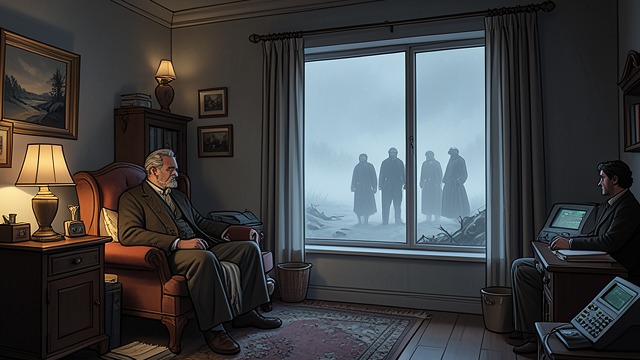
The Dead at the Window
Agnes imagines the living as occupying a lit room while the dead wait outside in a cold, misty wasteland. Some living people hear or see those beyond the window; many do not.
A Metaphor of Separation
The image gives form to Agnes’s belief that the dead remain near but cannot simply return. It also captures the family’s uncertainty about whether Hamnet has gone somewhere or merely become inaccessible.
A Mother’s Refusal
After the twins are born, Agnes imagines blocking the door to keep death from taking either child. Her love becomes a defense against a boundary she knows she cannot permanently control.
The Burial Threshold
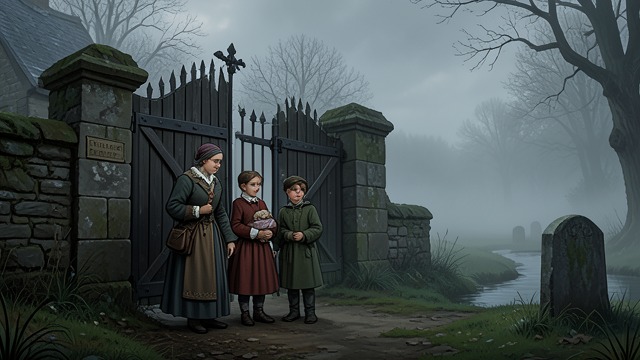
Crossing the Churchyard Gate
Agnes enters the churchyard with three children and leaves with two. She finds it harder to cross back through the gate than to enter, as though the dead hold her there.
Land as Separation
Hamnet’s grave lies near the river he loved. Agnes cannot bear the thought of the earth closing over him, though she knows his body has to be buried.
A Changed Family
The threshold marks an irreversible change in the count of her children. Agnes’s body and attention continue to reach toward the child she must leave behind.
Agnes Cannot Find Him
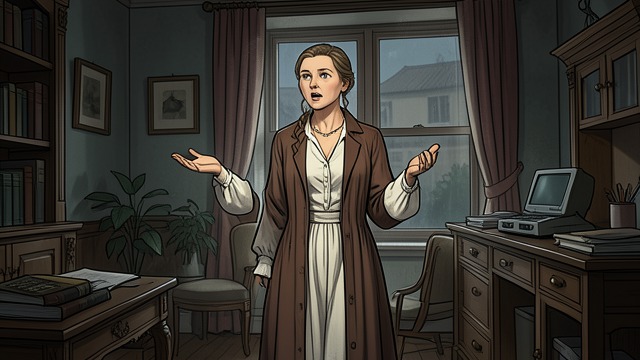
Searching Through Familiar Places
Agnes waits in rooms and yards where Hamnet once lived, calling his name and trying to sense him. Her usual intuition gives her no clear sign of her son.
A Silence Unlike Others
She can feel the distress and secrets of the living, but Hamnet’s hand offers only silence. This failure makes the boundary between life and death feel sharper than her earlier beliefs suggested.
Grief Without Contact
Agnes’s search continues even when it yields nothing. The novel presents longing as an effort to maintain relationship, not merely a mistaken belief that the dead must appear.
Judith Hears Him
The Twin’s Perception
Judith finds Hamnet in the sound of a broom, a bird’s flight, weather, and the rustle of her private shelter. Unlike Agnes, she experiences connection through ordinary sensory details.
A Story from the Midwife
When the midwife describes seeing a boy run between the houses at night, Judith begins to wait for him. The report transforms an inward feeling into a concrete hope of encounter.
A Brief Presence
Judith eventually senses a breath and a presence near the old house, but it disappears. The moment gives her a form of contact without resolving whether Hamnet has returned or whether grief has made him newly perceptible.
A Voice on the Stage
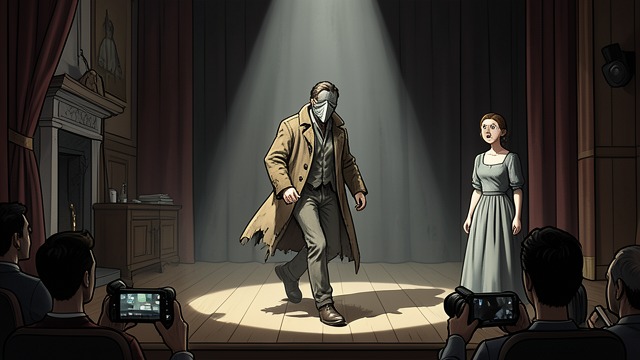
The Ghost Speaks
In the theatre, William performs a dead father who addresses a living son. Agnes recognizes the voice and movement beneath the costume and sees the stage make a relationship visible.
Art Between Worlds
The performance does not claim to summon Hamnet’s spirit. It gives the living a structured way to speak toward someone who cannot answer them.
Memory as Presence
When the ghost says “Remember me,” the play joins artistic repetition to private mourning. Hamnet remains dead, but his name and gestures continue to live in the minds of those who remember him.
During Agnes’s early motherhood
Hamnet’s funeral day
The months following Hamnet’s death
Several years after Hamnet’s death
During the final scene of Hamlet
