
Agnes Confronts Hamlet
HamnetThis thread follows Agnes’s journey from rejection of the play’s title to recognizing drama as William’s way of giving Hamnet a theatrical afterlife.
increasing Bearing strength in each event
 decreasing
Bearing strength in each eventdecreasingThe Poster’s Wound
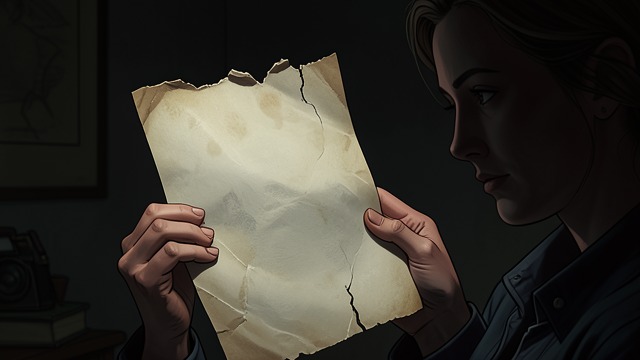
A Name in Print
Joan visits Agnes and presents a London playbill. Agnes sees her son’s name, Hamlet, printed as the title of a tragedy and cannot initially understand why William has used it.
Public and Private Names
To Agnes, Hamnet is not a dramatic word but the name of a child she bore and buried. The poster seems to detach that name from the particular person whose body she washed and shrouded.
A Decision to Go
The playbill makes Agnes wonder what William has done with their loss. She decides to travel to London and see the play herself, despite her family’s alarm and her own fear of what she might discover.
The Road to London

An Unfamiliar Journey
Agnes rides with Bartholomew toward London, a city she has never seen. The trip exposes her to distance, crowded roads, and the prospect of confronting a husband whose life has become largely unknown to her.
Searching for William
They find William’s austere rented room, with his manuscripts and writing desk, but he is absent. Agnes sees a page beginning “Dearest Agnes” and then left blank, a glimpse of feeling without the explanation she needs.
Across the River
A neighbor directs them to the playhouse across the Thames. Agnes must cross London Bridge and face the city’s sights before entering the crowded theatre that holds the answer she has come to seek.
A Ghost onstage
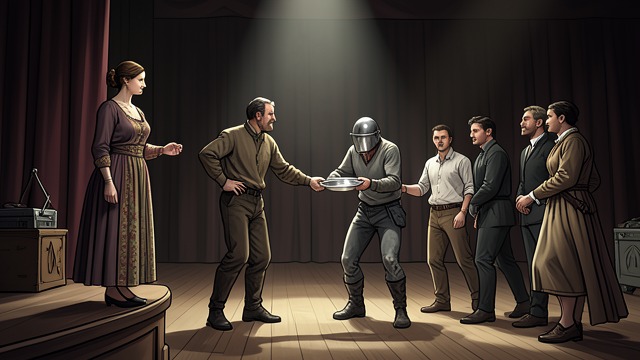
The Play Begins
Agnes enters the London open-air theatre expecting a work about Hamnet. Instead, she sees guards speaking on a castle wall and initially feels that the play has nothing to do with her son.
Recognition Beneath Armor
When a ghost appears in armor, Agnes recognizes William beneath the costume by his movement. She watches him as a performer rather than accepting the spectacle as a simple image of the dead.
The Name Repeated
The actors say Hamlet, passing the name between them. Agnes experiences the repetition as an injury: the name that belonged to her son is now spoken publicly for a dead prince.
A Living Double
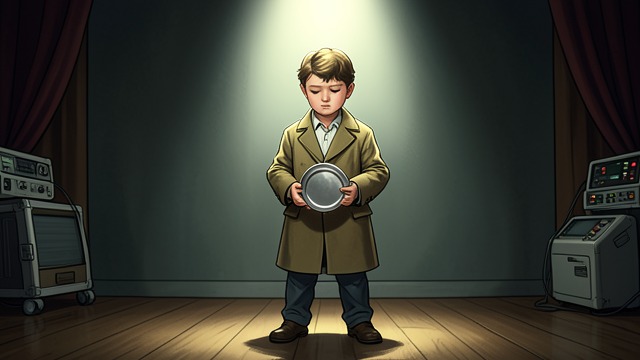
A Boy Like Hamnet
A young actor enters as Hamlet, and Agnes is struck by his fair hair, restless movement, and familiar gestures. He resembles the son who might have grown into a young man if the plague had not killed him.
Art as Transformation
Agnes understands that William has trained the actor to carry Hamnet’s mannerisms and written words that bring the boy’s presence into the play. The stage makes the dead child visible without restoring his body.
A Father’s Exchange
She reads the ghost and prince as William’s imaginative exchange with his son: William gives the father’s death to the play and lets a living actor embody the son. The theatrical transformation is painful, but it reveals the grief she had thought William kept from her.
A Shared Recognition
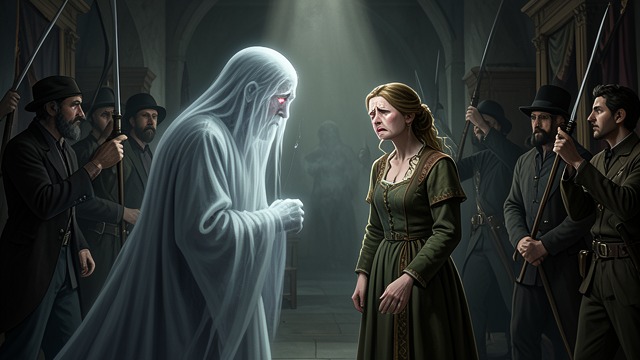
A Direct Appeal
As the play reaches its end, the ghost turns toward Agnes and says, “Remember me.” The words cross the boundary between performance and private mourning, making the audience’s presence part of the encounter.
Loss Reframed
Agnes no longer sees the play as a careless theft of Hamnet’s name. She understands it as William’s attempt to give their son a form that can be witnessed, repeated, and remembered.
The Stage and the Family
The play does not undo death or erase Agnes’s anger. It gives the estranged parents a language for the child they both continue to seek, and leaves Agnes able to recognize love in William’s art.
Nearly four years after Hamnet’s death
The day before Agnes reaches London
During the opening scenes of the performance
As Hamlet speaks with his father’s ghost
At the play’s final moments
