
Agnes’s Gift and Its Limits
HamnetThis thread traces Agnes’s intuitive knowledge through touch, its use in healing and family life, and its failure to grant control over death.
increasing Bearing strength in each event
 decreasing
Bearing strength in each eventdecreasingA Child Who Remembers
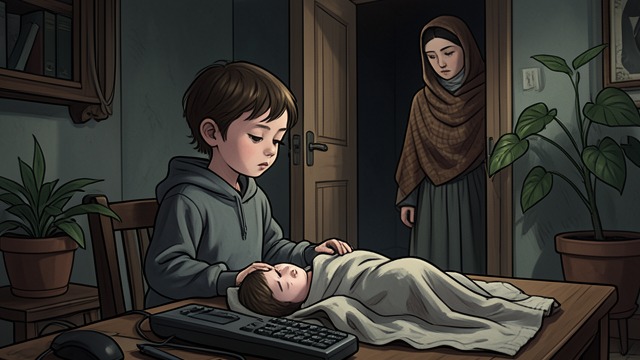
Memory Against Denial
Agnes remembers Rowan and the dead newborn despite the adults who insist that she cannot. Her memories are sensory and specific, formed from bodies, rooms, plants, and the words spoken at death.
A Hidden Understanding
She learns to trust what she perceives even when it conflicts with the household’s official account. The skill is not yet a public gift; it begins as a child’s refusal to surrender her own knowledge.
The Cost of Difference
Agnes’s certainty isolates her and provokes fear. Her later ability to read others grows from a life spent noticing what people try to conceal.
The Hand’s Secret

Touch as Knowledge
Agnes finds that pressing the muscle between a person’s thumb and index finger can disclose aspects of their character and future. She reads visitors, family members, and their hidden fears.
A Gift Feared
Her father and Joan worry that the ability is un-Christian and urge her to stop. Agnes learns that people may want the knowledge she offers while also fearing what it says about them.
A Way of Seeing
Touch becomes Agnes’s distinctive method of understanding others. It is intimate and sometimes burdensome, but it allows her to recognize what a person is rather than what society says that person should be.
Healing in the Household
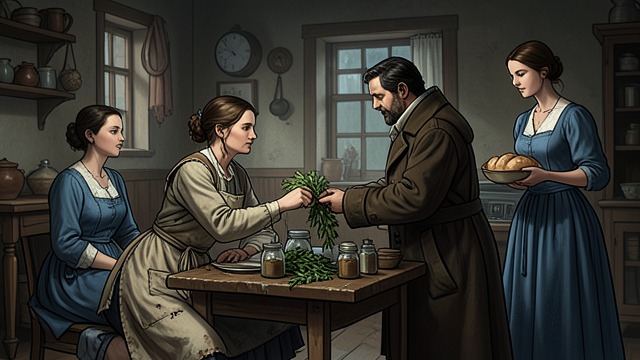
Practical Remedies
Agnes brings her herbal knowledge into the Shakespeare household, changing its bread, soap, and daily routines. She also receives people who come quietly for advice and remedies.
Care Made Visible
Her work combines attentive listening, touch, and a knowledge of plants. Mary initially resents the changes but sees Agnes’s competence in the labor that keeps a household functioning.
Service and Independence
Healing gives Agnes a role that is not defined by John’s glove business or her husband’s work. It also makes her known throughout the town, drawing people into her life whether or not she welcomes them.
No Remedy for Plague

Knowledge Meets Its Limit
Agnes recognizes plague in Judith and uses the remedies she knows, while Mary helps care for the child. Their experience and affection make them active, but they cannot control the illness.
A Misplaced Certainty
When Judith improves and Hamnet becomes gravely sick, Agnes condemns herself for failing to foresee the reversal. Her ability to read people has not made her able to prevent the catastrophe.
The Limits of Skill
The loss breaks her faith in the power of her garden and her intuition to protect those she loves. Her knowledge remains useful, but it cannot function as mastery over mortality.
A Weakened Practice
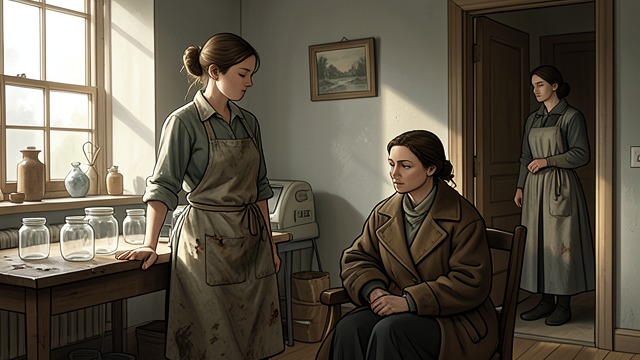
Withdrawal from Healing
After Hamnet dies, Agnes closes herself off and stops tending her garden as she once did. Her jars gather dust, and she refuses many visitors who need help.
Work Begins Again
Eventually she makes a remedy for an elderly woman, though she avoids taking payment. The act is not a return to her former confidence; it is a small movement back toward other people.
Care Without Omniscience
Agnes can still ease pain and offer practical help, but she cannot locate Hamnet’s spirit or understand why he is gone. Her vocation survives in a more humble form, stripped of any promise that knowledge can prevent loss.
Agnes’s early childhood
Agnes’s childhood and adolescence
After Agnes marries and joins the Stratford home
During the plague crisis in 1596
In the months after Hamnet’s death
