
Play, Memory, and the Work of Care
Handling the UndeadThis flow follows toys, stories, and childhood memories as ways the living try to reach people changed by death.
increasing Bearing strength in each event
 decreasing
Bearing strength in each eventdecreasingThe Fortress Left Behind
The Fortress Left Behind
A game frozen in time
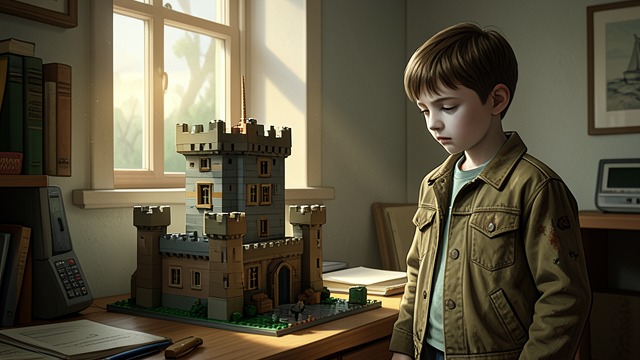
Mahler faces the Lego fortress he built with Elias. Its unchanged pieces preserve the shape of play while making the child’s absence more painful.
Imagination interrupted
Mahler realizes that he has lost not only Elias but also his own desire to invent. The fortress becomes a measure of what grief has taken from him.
A Beaver Book and a Loss
A Beaver Book and a Loss
Flora remembers an author
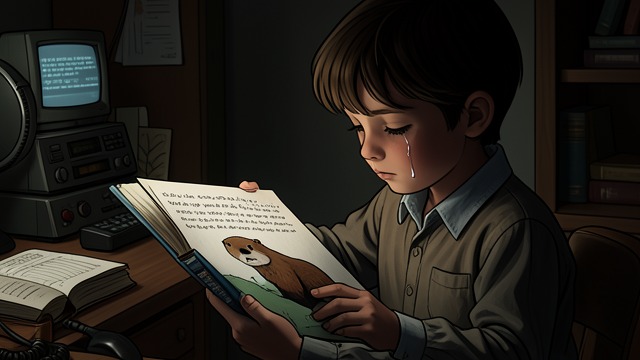
Flora reads a Bruno the Beaver book by Eva and cries because no new story will come from its creator. The book gives her a language for sorrow and danger.
Fiction meets the crisis
The stories do not make death less real, but they help Flora recognize how imagination can hold painful knowledge. Her response links reading to the work of mourning.
The Moving Car
The Moving Car
A toy draws Elias forward
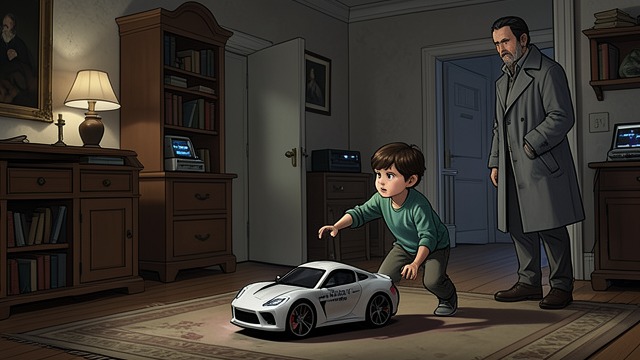
Mahler uses Elias’s remote-controlled car to attract his attention and encourage him to stand. Elias follows it and reaches for the moving object.
Play becomes intervention
The toy does more than entertain: its movement gives Elias a reason to act. Yet Mahler’s training also raises the question of whether care can become coercion.
A Familiar Tickle
A Familiar Tickle
A remembered game
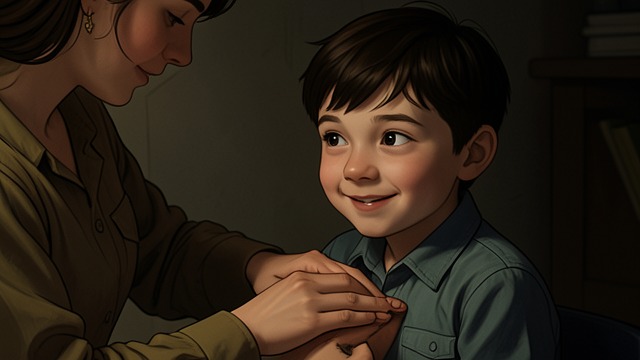
Anna walks her fingers over Elias’s body while singing a playful childhood rhyme. Elias appears to smile, a tiny response that offers his parents a glimpse of recognition.
Memory as a bridge
The moment is brief and cannot establish how much of the old Elias remains. Still, a shared ritual connects his changed body to the child Anna remembers.
Dolls at the Hospital
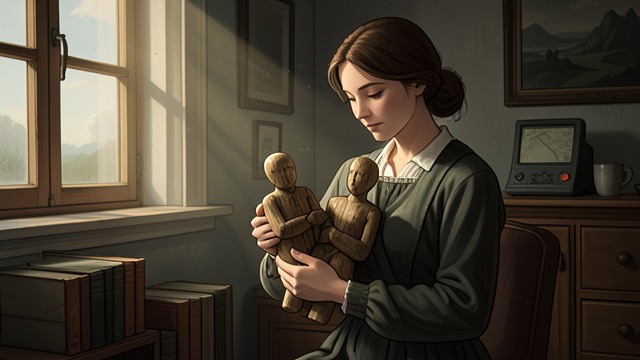
Dolls at the Hospital
A gift from Sture’s past
After Eva kills Balthazar, Sture gives her the wooden dolls he carved when she was a child. Their familiar names, Eva and David, offer another route to memory.
Recognition without recovery
Eva identifies the dolls, but her calm response does not restore her former self. The objects preserve love across time while making the limits of reunion more visible.
13 August 2002, evening
14 August 2002, afternoon
15 August 2002, daytime
17 August 2002, late afternoon
17 August 2002, shortly after noon
