
The Children and Their Lost Mother
Hansel and GretelThe story’s brief account of the children’s mother establishes an earlier loss before their father’s new marriage and the later abandonment crisis.
increasing Bearing strength in each event
 decreasing
Bearing strength in each eventdecreasingAn Earlier Bereavement
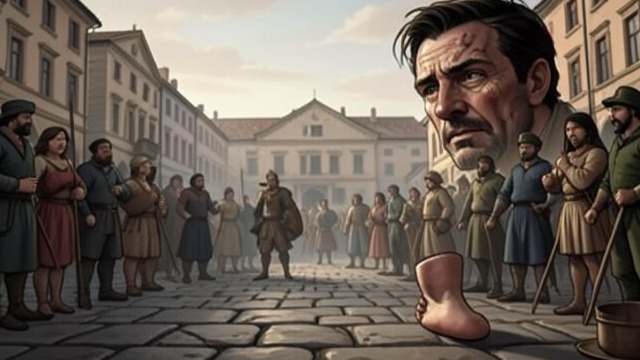
An Earlier Bereavement
The family before the crisis
The children’s mother has died before the story’s main events. The Woodcutter marries again, and Hansel and Gretel live in the new household.
The narrative offers no scenes of the mother or details of the children’s grief. Her death matters as background to the family structure they now inhabit.
A changed household
The children’s safety rests with their father and Stepmother. When the famine comes, those relationships determine whether they are protected.
Dependence on the New Family
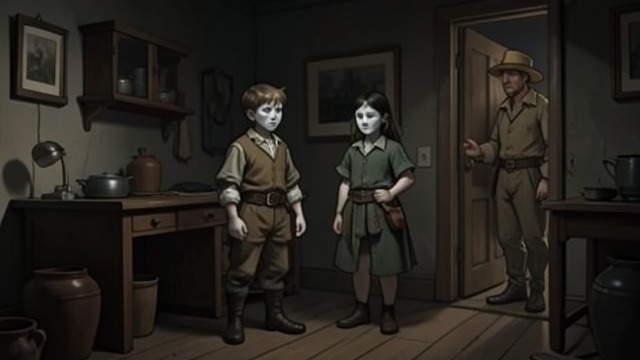
Dependence on the New Family
No maternal refuge
Once the famine strikes, Hansel and Gretel depend on the adults in their household. The story presents no surviving maternal figure to shelter them.
The Woodcutter’s affection gives them some emotional connection, but the Stepmother’s proposal places them in danger. The children have little control over the adult decision.
Childhood vulnerability
Their dependence makes the abandonment especially consequential. They must answer adult betrayal with their own ingenuity.
A Family Reconstituted
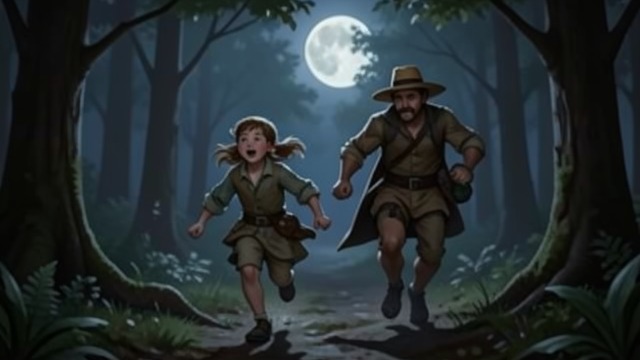
A Family Reconstituted
Return to the father
Hansel and Gretel find the Woodcutter after escaping the forest. The story ends with the children reunited with their surviving parent.
The Stepmother has died, and the father welcomes them. The narrative closes on a family structure different from the one that sent them away.
Security after loss
The children’s jewels promise material stability, while reunion offers a return to family belonging. The story does not claim to restore the mother they lost.
before the story’s famine
during the first famine
at the ending
