
The Shape of a Successful Escape
Hansel and GretelThe children’s escapes become progressively less dependent on a prepared route and more reliant on judgment, courage, and cooperation.
increasing Bearing strength in each event
 decreasing
Bearing strength in each eventdecreasingEscape by Following
Escape by Following
A path prepared
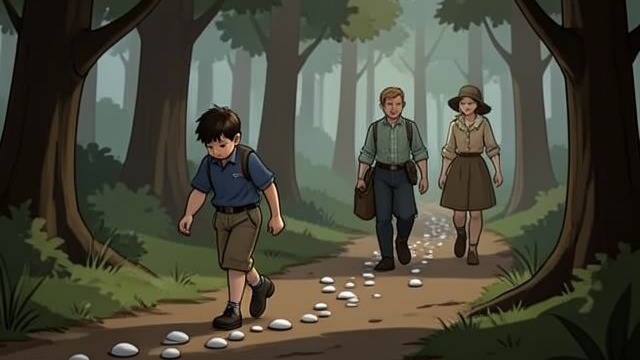
Hansel leaves White Pebbles along the route while the family walks into the forest. He anticipates the need to return before the adults abandon them.
After waiting until moonrise, the children follow the visible stones. Their escape depends on Hansel’s preparation and Gretel’s willingness to trust him.
Return without resolution
They reach home safely, but the family’s poverty remains. Their successful escape does not prevent a second attempt.
Escape Deferred
Escape Deferred
The route fails
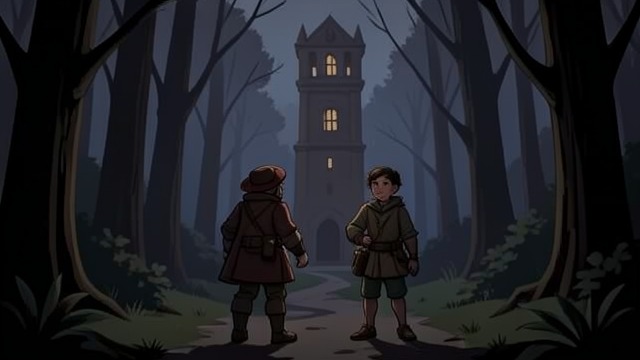
Hansel’s Bread Crumbs disappear, and the children cannot find their way home. Their usual goal of returning is no longer immediately possible.
They reach the candy house, but it is not a refuge. The Witch captures them, making escape a problem of defeating an active captor rather than navigating the forest.
A different kind of endurance
The siblings must stay alive while waiting for a chance to act. Their escape is postponed until they recognize the Witch’s vulnerabilities.
Escape by Acting
Escape by Acting
The Witch’s defeat
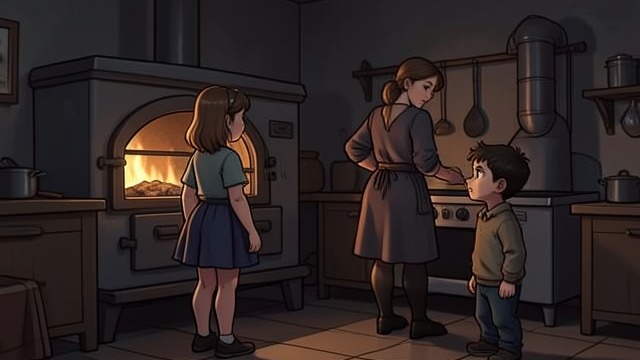
Gretel makes the Witch demonstrate how to enter the Oven, then shuts her inside. She releases Hansel from the small room.
The children’s freedom now results from a direct action rather than a trail left earlier. Their cooperation transforms survival into escape.
Journey to the father
They take treasure, leave the forest, and eventually reach home. This final escape concludes with a reunion and an answer to the poverty that began the story.
the first night in the forest
after the second abandonment
from the Oven scene to the final journey
