
The Cost of Failed Protection
Hansel and GretelThe Woodcutter’s failure to protect his children leads to repeated danger, and the final reunion remains shadowed by his remorse.
increasing Bearing strength in each event
 decreasing
Bearing strength in each eventdecreasingA Known Risk
A Known Risk
The father understands
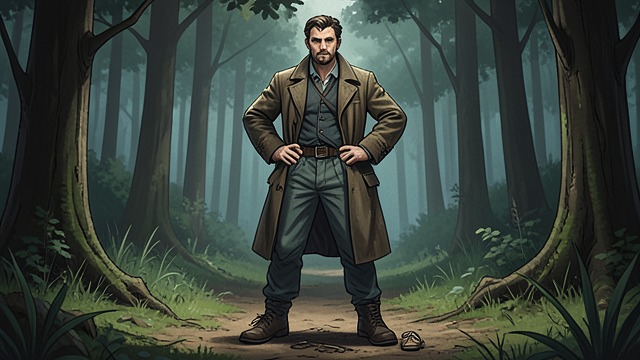
The Woodcutter objects to abandoning the children because he knows the forest may expose them to hunger or wild animals. He recognizes the danger before agreeing.
His consent is therefore not based on ignorance. It reflects the pressure of poverty and his inability or unwillingness to oppose the Stepmother’s insistence.
Protection withheld
The adults proceed with the plan, and the children are left alone. The Woodcutter’s understanding makes his failure to protect them morally significant.
Repeated Failure
Repeated Failure
A second abandonment
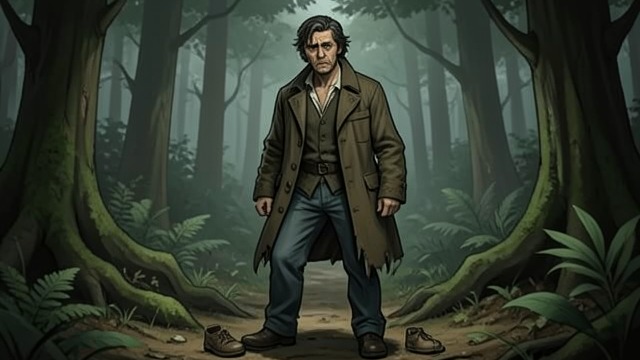
The children return once, but a worse famine revives the same plan. The Woodcutter again agrees to leave them in the forest.
The repetition shows that regret after the first attempt does not itself change his behavior. The children must again face consequences created by adults.
Greater danger
This time the trail fails, and the children reach the Witch. The second failure of protection exposes them to a threat more immediate than the first.
Remorse After Survival
Remorse After Survival
A father receives them
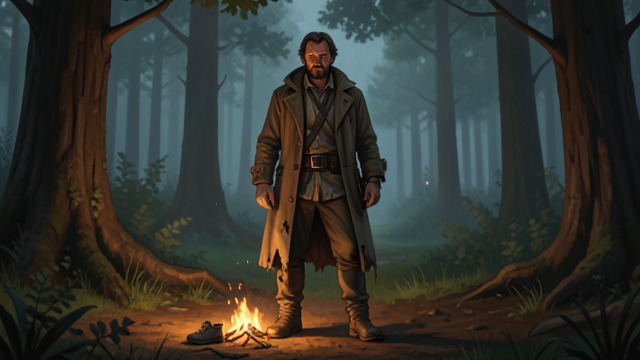
The Woodcutter is filled with joy when Hansel and Gretel return. He says he has regretted his decision since the day he abandoned them.
His remorse confirms that the children’s safety mattered to him, but only after they have endured danger without his help. The reunion cannot erase that history.
Different prospects
The children bring wealth from the Witch’s house, and the family no longer need suffer want. The ending offers repair through reunion and security, not a claim that the father’s earlier failure never occurred.
during the first family discussion
after the children’s first return
at the final homecoming
