
Abandonment and Return
Hansel and GretelRepeated separation tests whether home remains attainable, and the children’s two returns transform an imposed exile into a final reunion.
increasing Bearing strength in each event
 decreasing
Bearing strength in each eventdecreasingFirst Separation
First Separation
Sent away by adults
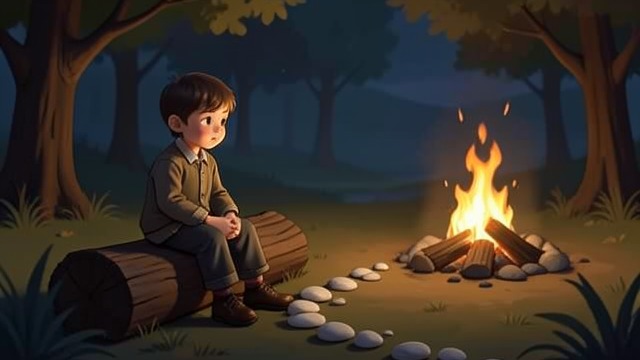
The Woodcutter and Stepmother take the children deep into the forest and leave them beside a fire. The children have not chosen to leave home.
The distant clapping sound falsely suggests that their father remains nearby. When night falls, they understand that the adults are gone.
Home remains imaginable
Hansel’s White Pebbles provide a route back. The children’s successful return shows that separation can still be reversed at this stage.
Second Separation
Second Separation
A route erased
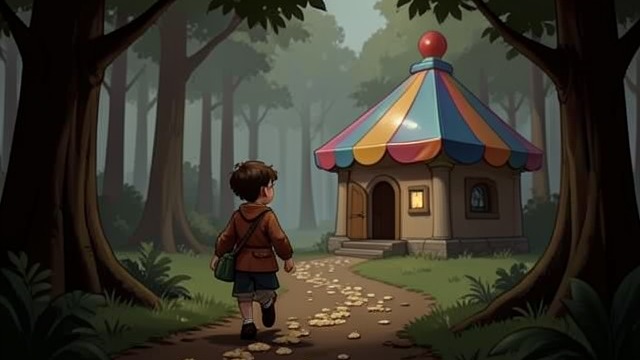
The children are left in the forest again, but Hansel’s Bread Crumbs disappear. Unlike the first time, they cannot find their way home.
Their wandering carries them toward the candy house. A familiar desire to return is overtaken by the immediate need to survive.
Exile deepens
The second abandonment makes the forest more than a temporary detour. The children face captivity and danger before home can be reached again.
Return Transformed
Return Transformed
An earned way back
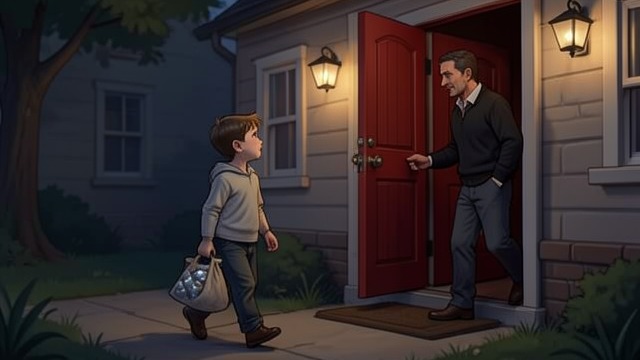
After defeating the Witch, the children leave the forest and eventually reach their father’s home. This return follows their own actions, rather than a trail prepared before the first abandonment.
They bring precious stones and pearls. Their return therefore carries both emotional reunion and a new means of escaping poverty.
Home renewed
The Woodcutter welcomes them, and the Stepmother is gone. Home becomes a place of reunion rather than the source of the children’s next departure.
during the first forest journey
after the second abandonment
near the ending
