
The Meaning of the Final Embrace
Hansel and GretelThe children’s embrace of their father closes the story with reconciliation, while the circumstances of their return reveal how much they endured without him.
increasing Bearing strength in each event
 decreasing
Bearing strength in each eventdecreasingSeparation by Choice
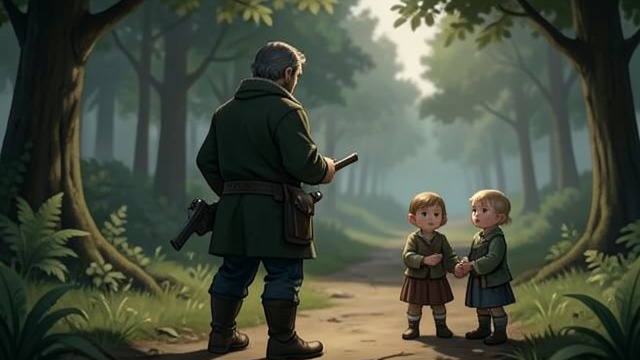
Separation by Choice
A father’s consent
The Woodcutter knows that the forest may endanger Hansel and Gretel, yet agrees to leave them there after the Stepmother insists.
The children are separated from the person who first objected on their behalf. His affection cannot protect them because it does not become action strong enough to stop the plan.
Love made uncertain
The first abandonment makes the children’s trust in home fragile. They must find their way back without help from the adults who sent them away.
A Second Loss
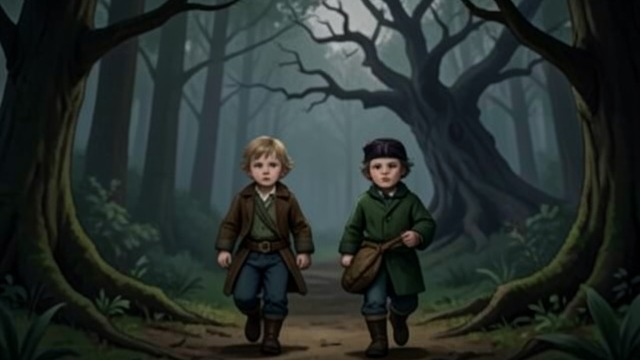
A Second Loss
No return route
After the second abandonment, the birds eat Hansel’s Bread Crumbs. The children are left without a way to follow their father’s path home.
Their separation lasts through wandering and captivity. They cannot rely on an immediate rescue from the Woodcutter.
A bond between siblings
Hansel and Gretel support each other through the danger. Their alliance becomes the dependable relationship that the absent parent cannot provide in the forest.
The Embrace at Home
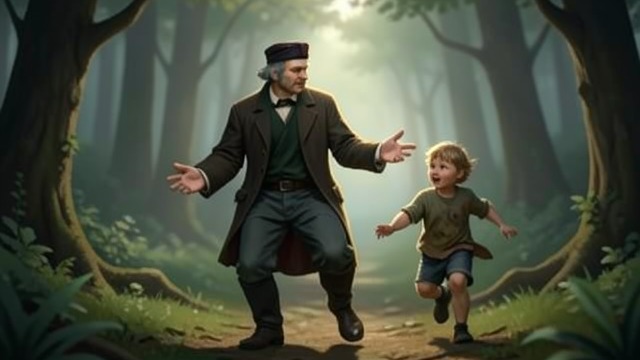
The Embrace at Home
A return without rescue
Hansel and Gretel reach the Woodcutter after they have defeated the Witch and crossed the forest. He has not rescued them from captivity; they return through their own actions.
The Woodcutter receives them with joy and says he has regretted abandoning them. His emotion acknowledges both their return and his absence.
Reconciliation and limits
The children run to embrace him, restoring family closeness. The embrace closes the narrative, but their independent survival remains central to the meaning of the reunion.
during the first abandonment
after the crumbs are eaten
at the final homecoming
