
The Stepmother’s Decisions
Hansel and GretelThe Stepmother turns scarcity into a deliberate plan of abandonment, enforces the second attempt, and disappears before the family’s final reunion.
increasing Bearing strength in each event
 decreasing
Bearing strength in each eventdecreasingThe First Proposal

The First Proposal
Scarcity as argument
The Stepmother tells the Woodcutter that the family cannot survive another winter together. She proposes leaving Hansel and Gretel deep in the forest.
Her reasoning treats the children as a burden to be removed. The decision transforms household hunger into a direct threat against them.
Persuading her husband
The Woodcutter resists because he loves the children, but the Stepmother persists until he agrees. Her influence determines the family’s first abandonment.
A Second Attempt
A Second Attempt
Repeating the plan
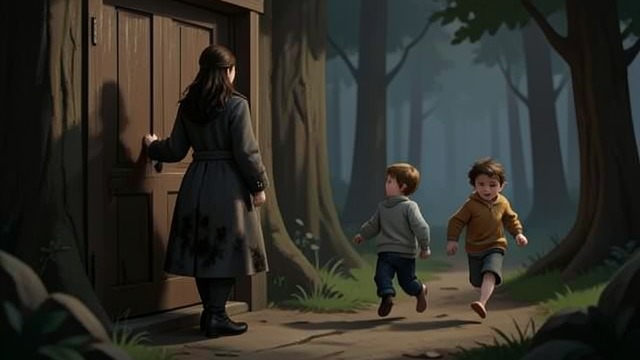
A worse famine returns, and the Stepmother again persuades the Woodcutter that leaving the children is necessary. Their first return has not changed her intentions.
This time she locks the door so Hansel cannot collect White Pebbles. The precaution shows that she anticipates the children’s resistance and seeks to prevent it.
The trail defeated
The children are taken away again, and Hansel must rely on Bread Crumbs instead. The Stepmother’s preparation makes their return less certain.
Absence at the Ending
Absence at the Ending
A household without her
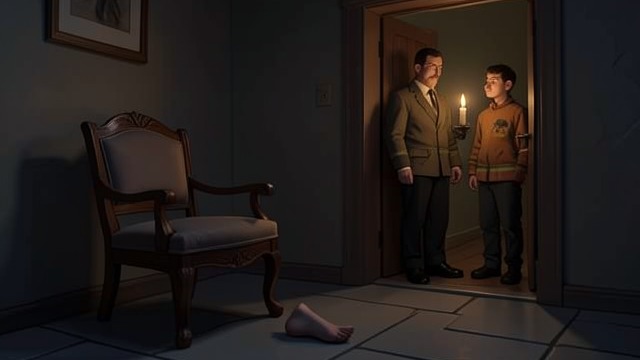
When Hansel and Gretel reach home again, the Woodcutter tells them that the Stepmother has died. The story gives no further account of her fate or death.
Her absence removes the person who twice drove the children’s abandonment. The family’s final reunion is therefore possible without renewed conflict from her.
Consequences left behind
The Stepmother’s choices have sent the children into mortal danger. Her removal does not erase that harm, but the children return to a household no longer governed by her plan.
the first night of hunger
days after the children’s first return
by the children’s final return
