
The Lasting Consequences of Choices
Hansel and GretelThe adults’ choices initiate the children’s danger, while the children’s own choices determine whether they survive and what they bring home.
increasing Bearing strength in each event
 decreasing
Bearing strength in each eventdecreasingThe Adults’ Decision
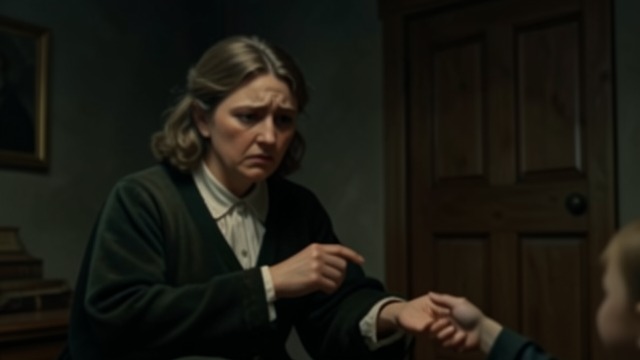
The Adults’ Decision
Abandonment chosen
The Stepmother proposes leaving the children in the forest, and the Woodcutter eventually agrees. Their choice exposes Hansel and Gretel to hunger and danger.
The children did not create the famine or choose the plan. They inherit the consequences of decisions made by adults responsible for them.
Harm repeated
Even after the first return, the household does not find a different answer to poverty. The adults’ second choice sends the children into a more dangerous situation.
The Children’s Decisions
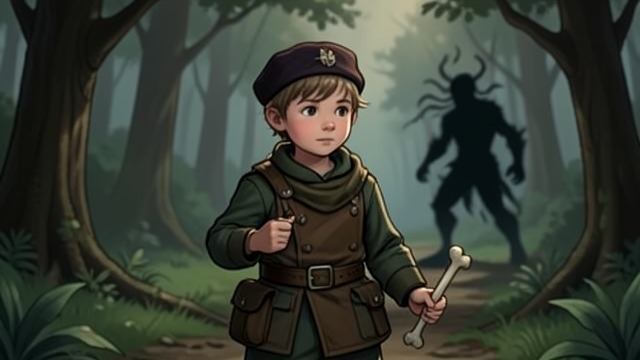
The Children’s Decisions
Choices under pressure
Hansel collects White Pebbles, later improvises with Bread Crumbs, and uses a bone to mislead the Witch. Each choice responds to a danger imposed on him and Gretel.
Gretel observes the Witch and turns the Oven command against her. Her decisive action frees both children.
Consequences redirected
The children cannot prevent the famine or the initial abandonments. They can, however, change what follows by working together and adapting when plans fail.
Consequences at Home
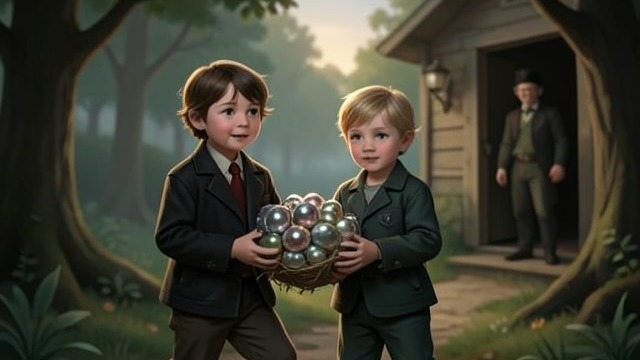
Consequences at Home
Return with evidence of survival
Hansel and Gretel come home carrying precious stones and pearls. Their return is the consequence of escaping captivity, not of an adult plan to retrieve them.
The Woodcutter’s joy is joined by regret for his decision. The Stepmother has died, and the family’s circumstances have changed.
A future altered
The treasure promises that the family will no longer suffer need. The ending links the children’s survival to a new material future while preserving the moral weight of the adults’ choices.
the first night of the crisis
from the first route to the Witch’s defeat
at the ending
