
The Return to Passage Cardinet
HappeningThis flow follows Annie Duchesne’s later visit to the site of the abortion and her test of memory against the changed city.
increasing Bearing strength in each event
 decreasing
Bearing strength in each eventdecreasingPlanning the Return
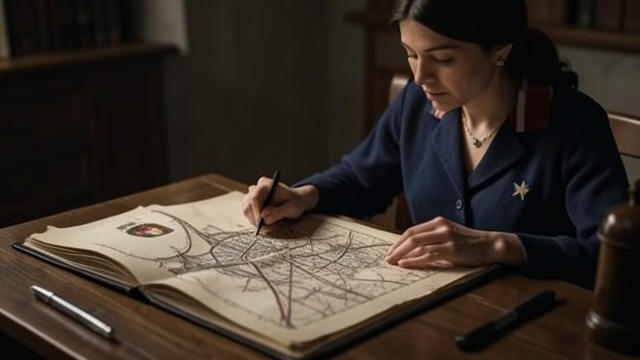
Planning the Return
A Map of the Past
Annie Duchesne checks a Paris map to locate Passage Cardinet, the church, and the café from the day of the procedure. The visit begins as a search for recognizable places.
Memory as Expectation
She hopes the city will confirm what she can picture so clearly. The plan is also an attempt to test whether memory can be revisited physically.
The Old Street Plaque
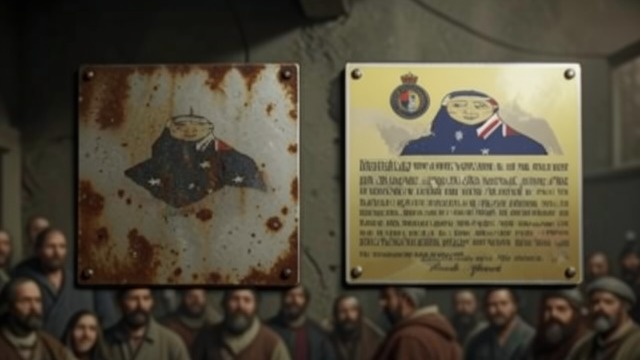
The Old Street Plaque
A Layered Sign
At the entrance to Passage Cardinet, Annie Duchesne sees a new plaque above the blackened former one. The street contains visible layers of change.
History Beside History
A board commemorating deportees surprises her. The site’s public histories coexist with the private memory she has come to retrieve.
The Locked Entrance
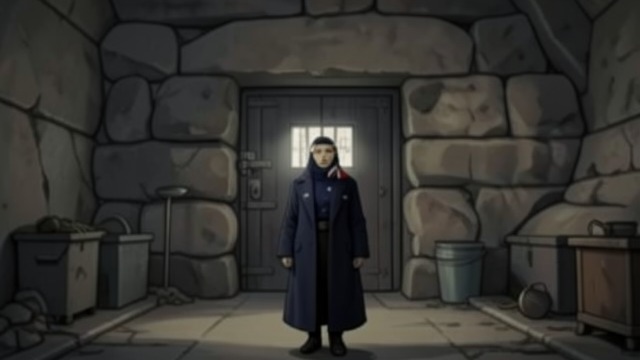
The Locked Entrance
A Changed Threshold
Madame P-R’s building is locked and fitted with a digital entry system. Annie Duchesne cannot cross the threshold as she once did.
Reenactment Without Feeling
She walks down the middle of the street and feels like a puppet repeating a scene. The place survives, but the old terror does not return on command.
The Church and Café
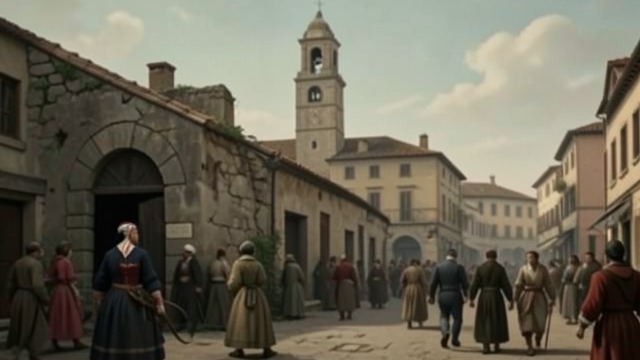
The Church and Café
Correcting a Place Name
Annie Duchesne finds Saint-Charles-de-Monceau Church, not the church name she remembered. The correction shows how memory preserves experience while altering details.
An Unrecognized Room
At a café, she checks the restroom but cannot establish whether it is the one from 1964. Ordinary details resist the meaning memory assigns them later.
The Hoped-for Event
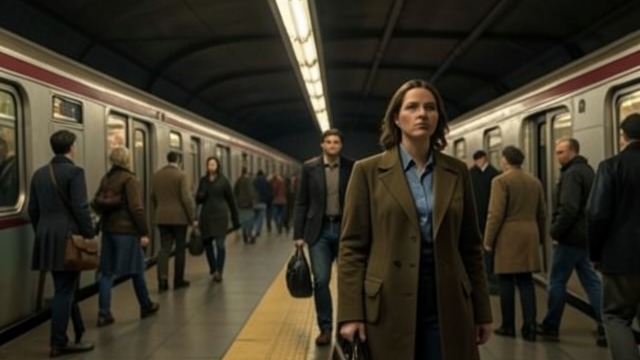
The Hoped-for Event
Acknowledgment
On the Métro platform, Annie Duchesne recognizes that she had hoped something would happen to her at Passage Cardinet. The visit carried an unspoken wish for emotional recurrence.
Limits of Return
Nothing reproduces the original event. The failed reenactment clarifies that writing, rather than physical return, must hold the past.
February to October 1999
A cold afternoon in 1999
The 1999 visit
Later on the same afternoon
At the end of the 1999 visit
