
The Shame of Public Judgment
HappeningThis conflict flow traces the scrutiny, shame, and class judgment Annie Duchesne encounters before and after the abortion.
increasing Bearing strength in each event
 decreasing
Bearing strength in each eventdecreasingAnticipating Her Mother
Anticipating Her Mother
Shame Before Disclosure
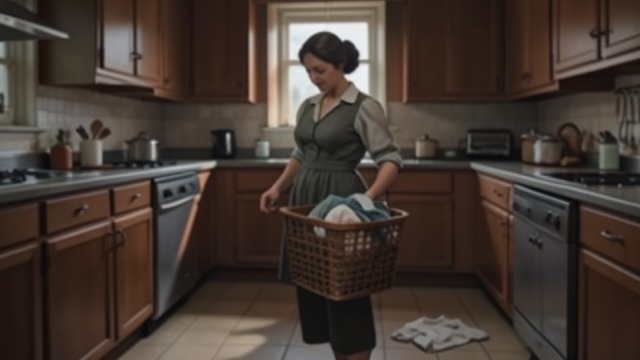
Annie Duchesne fears her mother will notice her missed period through the laundry. The expected judgment shapes what she can say and where she can seek help.
A Learned Silence
The family’s assumptions about sex make concealment feel safer than disclosure. Shame operates before anyone openly accuses her.
Male Fascination

Male Fascination
A Story for Others
Jean T and André X respond to Annie Duchesne’s pregnancy with fascination, advice, or moral argument. Her decision becomes a story they watch unfold.
Unequal Stakes
Their interest does not carry the physical risk she faces. Annie recognizes that men can find the abortion compelling without paying its price.
The Doctor’s Dismissal

The Doctor’s Dismissal
Accusation During Crisis
The night doctor demands explanations from Annie Duchesne while she is losing blood. His words make emergency treatment inseparable from condemnation.
Authority and Fear
She believes he might let her die unless she promises not to repeat the act. The imbalance between patient and physician reaches its sharpest point.
Class Recognition

Class Recognition
A Student Revealed
A nurse says the doctor was angry because he did not know Annie Duchesne was a college student. The observation exposes differential treatment within the hospital.
Respect Conditional
The implied remedy is to announce her social status, not to challenge the doctor’s conduct. Recognition depends on class rather than equal dignity.
Judgment Reconsidered
Judgment Reconsidered
Beyond Individual Blame
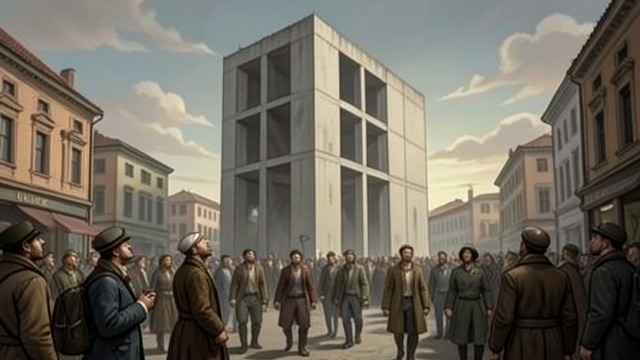
Annie Duchesne places hostile encounters within the institutions and beliefs that shaped them. The individuals matter, but their behavior also reflects a wider order.
Naming the Structure
Writing shifts attention from private shame toward criminalization, class, and gendered authority. The conflict becomes social and historical rather than a verdict on her character.
Autumn 1963
November to December 1963
January 21, 1964
January 1964
During the later writing
