
The Meaning of Birth
HappeningThis thematic flow traces how abortion, miscarriage, and childbirth converge in Annie Duchesne’s understanding of bodily experience.
increasing Bearing strength in each event
 decreasing
Bearing strength in each eventdecreasingA Pregnancy Without a Future
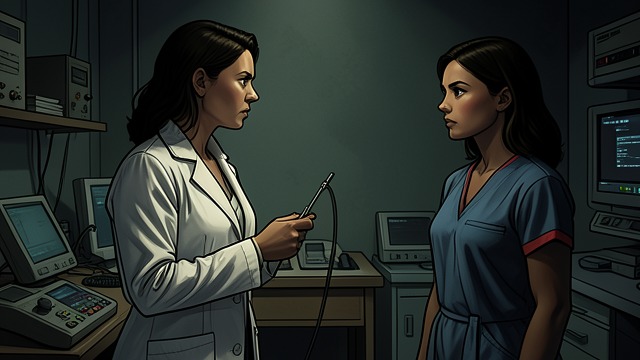
A Pregnancy Without a Future
Refusing the Expected Term
Annie Duchesne avoids language that assumes a child will be born. Pregnancy is a present bodily condition, not a future she accepts.
Competing Meanings
The medical certificate and social vocabulary point toward delivery. Annie’s own intention pulls in the opposite direction, making naming a conflict in itself.
Labor Named
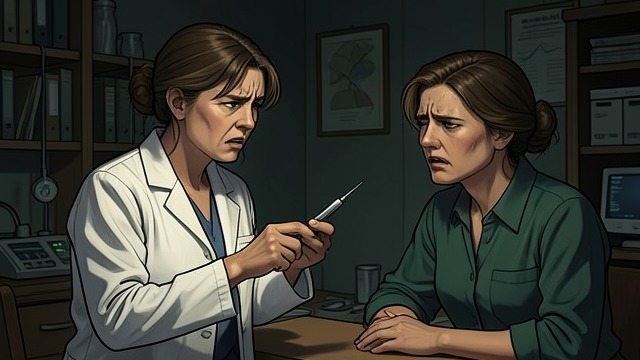
Labor Named
Madame P-R’s Words
As she replaces the probe, Madame P-R tells Annie Duchesne that she is in labor. The phrase connects the clandestine procedure to childbirth.
A New Understanding
Annie had not previously thought of the process as a delivery. The word changes how she interprets the physical mechanism unfolding inside her.
The Bathroom Birth
The Bathroom Birth
Expulsion
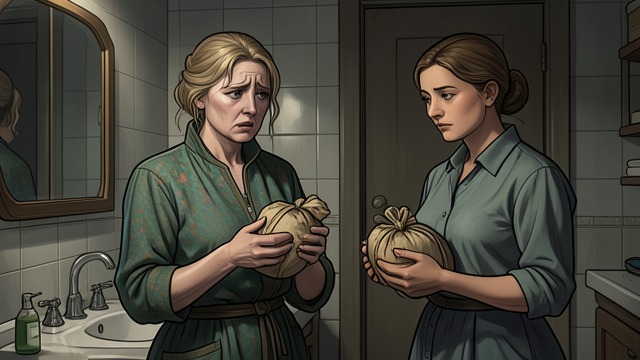
Annie Duchesne expels the fetus in the dormitory bathroom and carries it to her room. The physical scene resembles birth while remaining an act directed toward ending pregnancy.
Life and Death
She and O encounter a small body they do not know how to handle. The moment refuses to separate birth from death into simple opposites.
The Hospital Ward
The Hospital Ward
Among Mothers
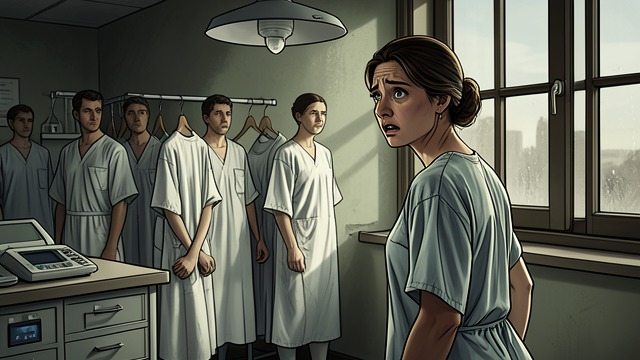
Annie Duchesne hears newborns and sees women who have given birth. She feels no essential difference between herself and the women in the next room.
A Line of Generations
The ward gives her a sense of belonging to a succession of women. The abortion becomes part of her understanding of reproduction rather than its opposite.
Children Chosen Later
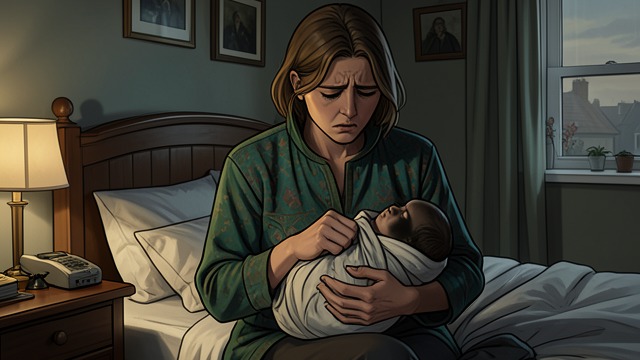
Children Chosen Later
Retrospective Necessity
Annie Duchesne later says the ordeal was necessary to her desire to have children. She understands it as part of accepting reproduction’s turmoil in her own body.
Passing Generations Through
Her account connects personal choice to future generations. The meaning does not erase the suffering; it describes what she came to make of it.
November 1963
January 18, 1964
January 20–21, 1964
January 21–25, 1964
Years after the abortion
