
The Public Law and Private Ethics
HappeningThis thematic thread examines how Annie Duchesne’s story separates moral judgment from the legal rules that govern abortion.
increasing Bearing strength in each event
 decreasing
Bearing strength in each eventdecreasingA Law in Everyday Life
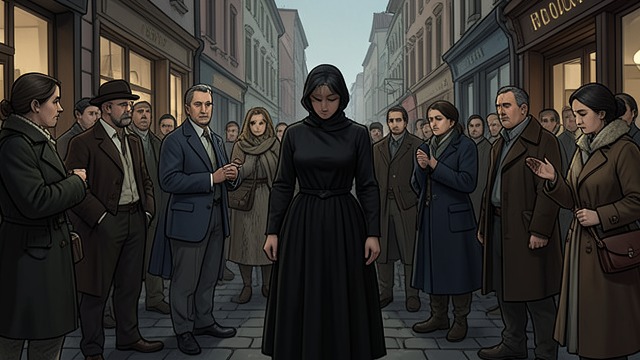
A Law in Everyday Life
More Than a Statute
Annie Duchesne finds the law present in euphemisms, medical evasions, and the shame surrounding women who abort. Its influence reaches ordinary speech and behavior.
Moral Confusion
People treat the prohibition as proof that abortion is wrong, rather than questioning the prohibition itself. The law quietly supplies the terms of judgment.
The Doctor’s Calculation
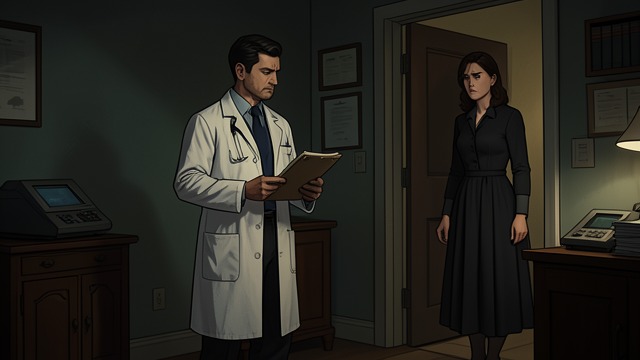
The Doctor’s Calculation
Career Versus Need
Doctors face the possibility of imprisonment and professional ruin if they perform an abortion. Annie Duchesne sees their restraint as a consequence of the law’s power.
Women Bear the Risk
The doctor’s career may be protected while the pregnant woman turns to a knitting needle or clandestine provider. Legal safety is distributed unequally.
The Patient as Offender
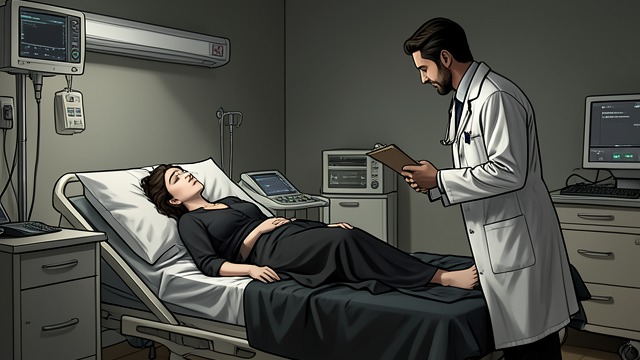
The Patient as Offender
Emergency and Blame
At Hôtel-Dieu Hospital, Annie Duchesne needs care after hemorrhage but is treated as someone to interrogate. The emergency does not suspend moral judgment.
Institutional Authority
The doctor’s power to treat is paired with the power to shame. Her vulnerability becomes evidence of how law and medicine can reinforce each other.
After Legal Change

After Legal Change
Silence Persists
Annie Duchesne argues that former victims may stay silent once a discriminatory law is abolished. Reform can create the impression that there is no longer a story to tell.
Recovering the Experience
She writes precisely because legal change does not undo the past or explain what women endured. Testimony makes the history visible beyond the statute.
Ethics Beyond Verdicts
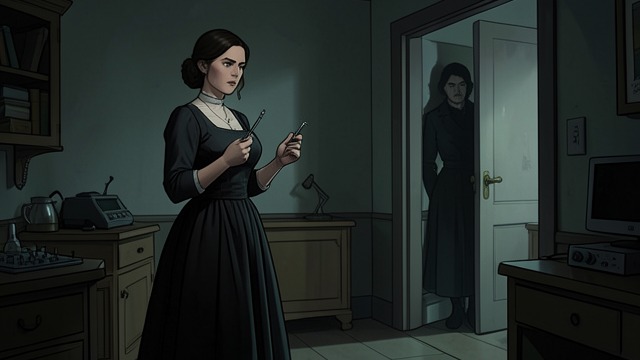
Ethics Beyond Verdicts
A Human Experience
Annie Duchesne describes the abortion as an extreme experience involving life, death, ethics, and taboo. The account resists reducing it to either a crime or a slogan.
A Wider Judgment
By making the event intelligible, she invites readers to examine the social order that produced its danger. The ethical question shifts from condemning a woman to confronting the conditions around her.
November 1963
November 1963
January 21, 1964
During the later writing
At the end of the book
