
The Story’s Closing Transformation
HappeningThis final flow traces how Annie Duchesne moves from the unfinished burden of memory toward a completed account.
increasing Bearing strength in each event
 decreasing
Bearing strength in each eventdecreasingThe Unfinished Memory
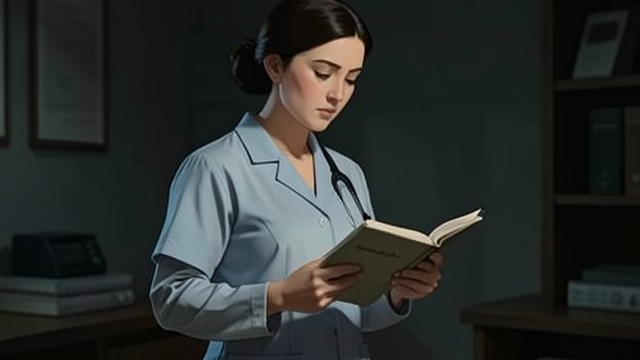
The Unfinished Memory
A Persistent Event
For years, Annie Duchesne is shaken by fictional accounts of abortion and songs associated with that period. The past remains active rather than safely finished.
A Need to Write
The persistence of images and emotion makes writing feel both necessary and frightening. The story begins as an attempt to discover what remains there.
Entering the Past
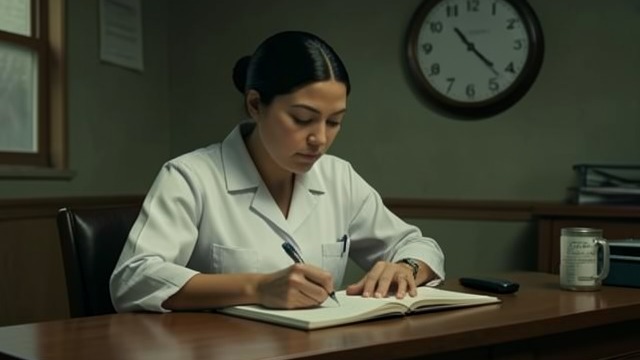
Entering the Past
An Investigation
Annie Duchesne chooses narrative to follow the event through dates, diary entries, and remembered sensations. She wants to recover the experience rather than merely summarize it.
Resistance to Speed
She recognizes an urge to rush past the worst days. Writing must instead convey how slowly and heavily they passed.
The Story Takes Control
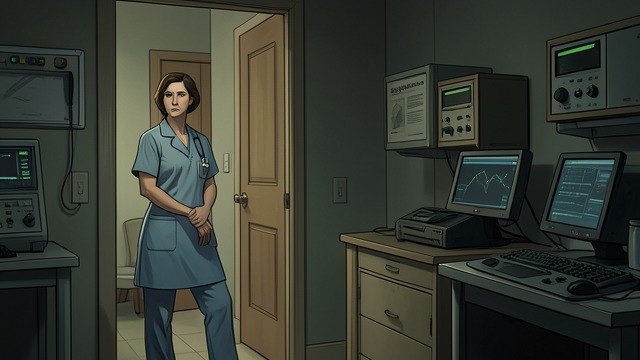
The Story Takes Control
An Unchosen Direction
Annie Duchesne feels the narrative dragging her through a sequence she did not choose. The act of writing recreates some of the old fatal momentum.
Persistence
She decides to continue despite that pressure. The project echoes her earlier determination to proceed with the abortion, though writing now offers a way to make meaning.
A Return to the Site
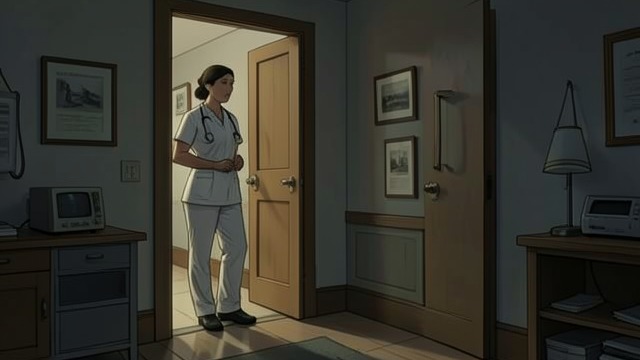
A Return to the Site
Testing the Past
Annie Duchesne visits Passage Cardinet, hoping the physical place might trigger something. Its altered appearance does not reproduce the memory as she expected.
The Limit of Reenactment
The visit clarifies that the event cannot simply happen again. The writer must create a form capable of carrying what the place itself cannot restore.
The Account Completed
The Account Completed
From Burden to Form
Annie Duchesne finishes putting an extreme bodily and social experience into words. Completion releases her from the guilt of having left it untold.
Writing as Transmission
She imagines her existence merging with the thoughts of other people. The story resolves not by erasing the event but by making its meaning shareable.
Years after 1964
At the start of composition
During composition
February to October 1999
At the ending
