
The Diary as Evidence
HappeningThis flow follows how Annie Duchesne’s diary records immediate fear and later becomes a scaffold for reconstructing the past.
increasing Bearing strength in each event
 decreasing
Bearing strength in each eventdecreasingThe Word Nothing

The Word Nothing
Daily Recording
Annie Duchesne writes “NOTHING” in large letters while waiting for her period. The repeated entry turns private uncertainty into a dated record.
A Life on Hold
The diary captures how the missed period displaces her earlier creative plans. Its bare word conveys a suspension that ordinary description cannot easily explain.
The Pregnancy Entry
The Pregnancy Entry
A Direct Statement
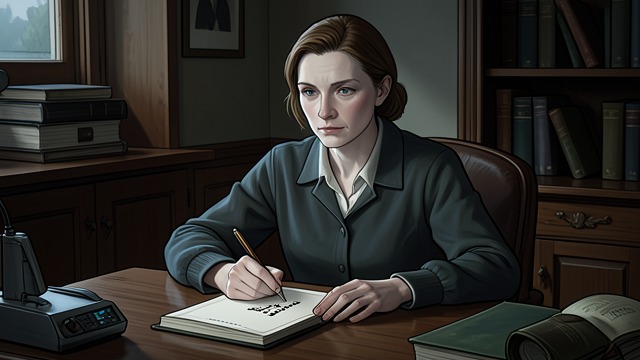
After Doctor N confirms the pregnancy, Annie Duchesne writes that it is a nightmare. Her diary gives the event a bluntness absent from her evasive speech to others.
Private Measure
Subsequent notes record symptoms and failed efforts. They preserve the difference between the public appearance of a student and the hidden urgency of her situation.
The Sparse January Pages
The Sparse January Pages
Silence in the Record
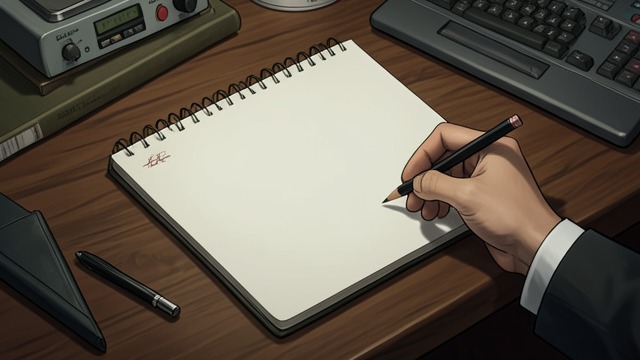
The diary is blank for much of January, then resumes with brief notes about pain and delay. Its gaps mirror the difficulty of living through events that exceed language.
Dates as Anchors
Annie Duchesne later uses the dated entries to establish what happened. The record supplies sequence where recollection alone might blur the order.
Objects Beside Memory
Objects Beside Memory
Material Traces
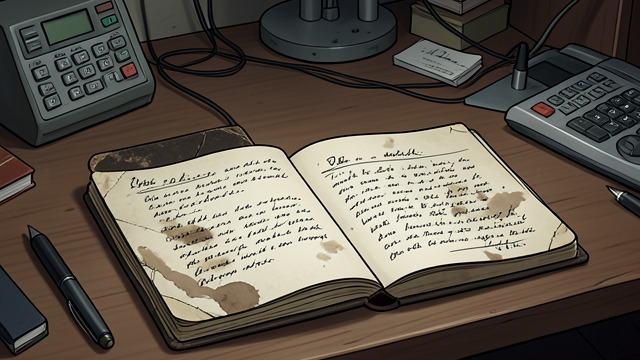
Annie Duchesne studies notations in her address book and diary as physical evidence. Their marks feel more durable than a recollection reconstructed years later.
A Method of Return
She pairs the documents with sensory images rather than treating them as complete explanations. The method acknowledges both memory’s limits and its bodily force.
Reconstructing the Sequence
Reconstructing the Sequence
Dates and Images
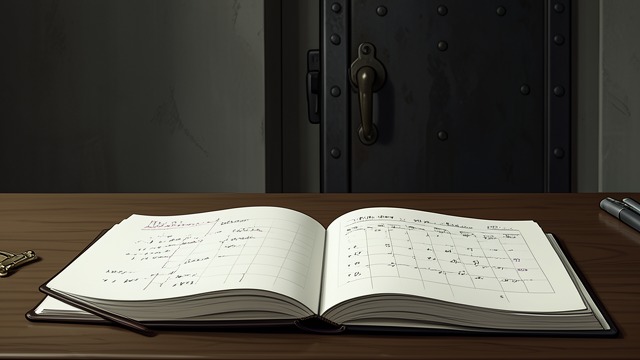
While writing, Annie Duchesne consults her diary and engagement book to re-enter the chronology of 1963–1964. Specific dates let the past acquire narrative shape.
Evidence Without Certainty
The documents do not settle every detail, and memory continues to revise images. Their value lies in keeping the event materially anchored while interpretation develops.
October 1963
November 1963
January 1964
During the writing of the book
1999
