
The Law Around the Body
HappeningThis conflict flow shows how criminal prohibition shapes medical encounters, secrecy, and the risks Annie Duchesne must assume.
increasing Bearing strength in each event
 decreasing
Bearing strength in each eventdecreasingA Prohibition in the Background

A Prohibition in the Background
A Restricted Choice
Annie Duchesne discovers that an unwanted pregnancy cannot be addressed openly through legal medical care. The law shapes her options before she can name the problem.
Shared Silence
Abortion is discussed indirectly or avoided altogether. Legal force works not only through punishment but through the habits of speech it produces.
Professional Risk
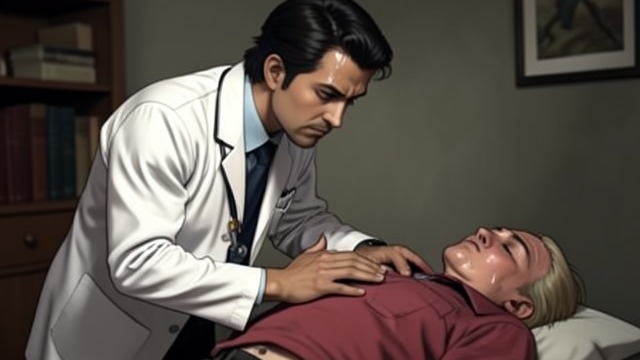
Professional Risk
Doctors’ Refusals
Doctors avoid helping Annie Duchesne because an illegal abortion could cost them their licenses or freedom. Her need competes with their fear of prosecution.
Responsibility Shifted
The practical burden falls on the pregnant woman, who must find a clandestine route. The law makes danger appear as a private consequence rather than a public choice.
Self-Induced Attempt
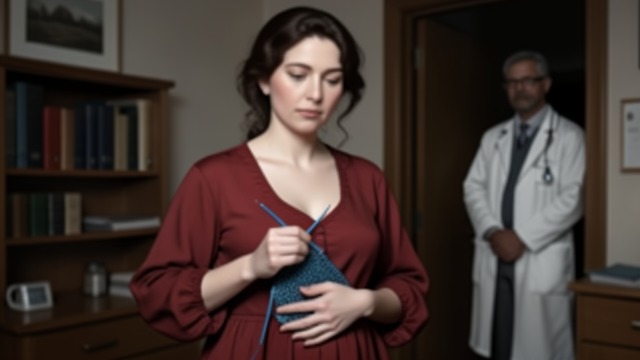
Self-Induced Attempt
No Safe Alternative
With help still uncertain, Annie Duchesne uses blue knitting needles in an attempt to cause an abortion. The attempt exposes the physical danger produced by restricted access.
Seeking Medical Aid
She tells Doctor N she has harmed herself, hoping to make her determination unmistakable. His response acknowledges the danger without offering a lawful solution.
Clandestine Procedure

Clandestine Procedure
A Hidden Service
Madame P-R performs the procedure outside the formal medical system. Secrecy and payment substitute for the protections that legal care might have offered.
Responsibility Without Support
When the first probe does not work, Annie Duchesne must return and wait again. The law has left her with a chain of risks and no dependable aftercare.
Punishment at the Hospital
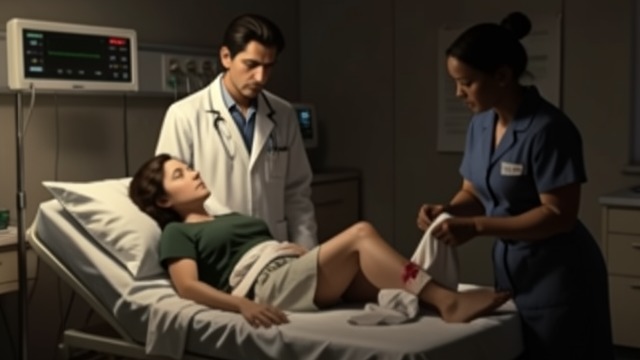
Punishment at the Hospital
Emergency Care
Hemorrhage finally brings Annie Duchesne into a hospital. A doctor interrogates and shames her while providing the intervention her crisis requires.
The Law’s Afterimage
Even after the procedure, judgment shapes the care she receives. The conflict ends in physical survival but leaves the institution’s unequal authority exposed.
October 1963
November 1963
December 1963
January 15–18, 1964
January 21, 1964
