
The Sibling Bond Reframed by Grief
Happiness for BeginnersHelen’s relationships with Nathan and Duncan reveal how grief can preserve love while also turning one sibling into the target of unresolved pain.
increasing Bearing strength in each event
 decreasing
Bearing strength in each eventdecreasingNathan as Helen’s First Confidant
Nathan as Helen’s First Confidant
A close childhood bond
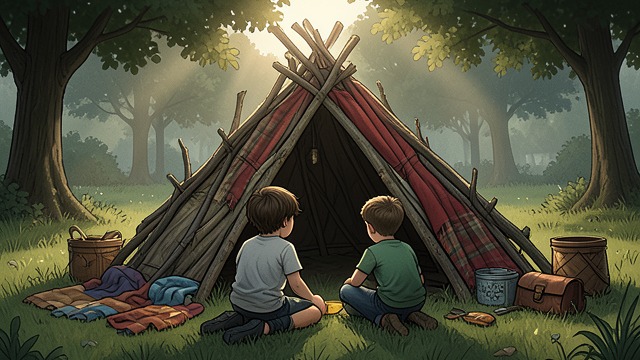
Helen remembers Nathan as a genuine friend as well as a younger brother. They build forts, explore, draw pictures, and defend one another, making their relationship central to her sense of family.
The closeness gives the later loss a continuing emotional presence. Nathan is not only someone Helen misses; he represents a form of companionship she fears she will never recover.
Love left unfinished
His importance explains why Helen keeps returning to the circumstances of his death. The affection survives, but so does the question of what she might have done differently.
The Night at the Lake

The Night at the Lake
A childhood decision
At a gathering near a lake, Nathan asks Helen to go with him to the marina. She refuses because she wants to watch a movie, and he goes alone without telling the others.
Nathan drowns. Helen cannot remember the movie she watched, and the missing detail becomes an unanswered question she revisits years later.
Guilt as attachment
Helen has treated her refusal as proof that she failed her brother. The memory holds both the helplessness of a child and the impossible wish that one decision could have prevented the loss.
A Mother’s Grief and a New Baby
A Mother’s Grief and a New Baby
A family reorganized
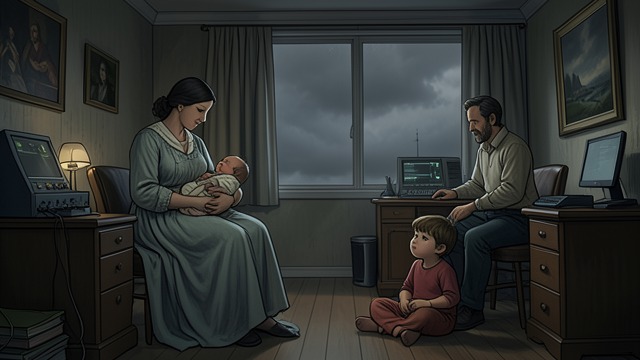
After Nathan’s drowning, Helen’s mother becomes frantic with grief and later becomes pregnant with Duncan. Helen sees Duncan’s arrival as the beginning of a family collapse: her father retreats into work, her mother struggles, and Helen feels forgotten.
For years, she treats Duncan as the reason her place in the family disappeared. She does not recognize that he was born into the same unresolved grief and had no power over what followed.
A mistaken target
Helen’s anger at Duncan gives shape to losses that are much harder to confront directly. Understanding this does not undo the childhood she experienced, but it changes where she locates blame.
The Unforgiven Brother
The Unforgiven Brother
Resentment named
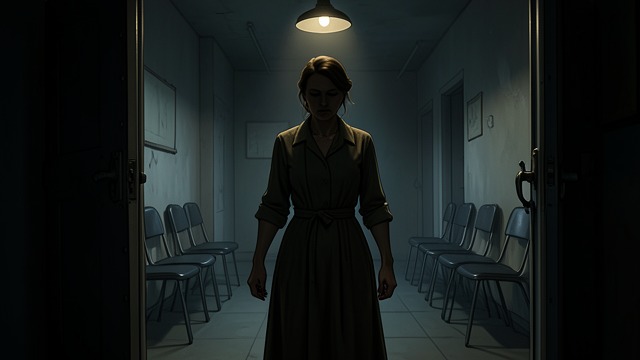
Helen tells Jake that she has not forgiven Duncan for failing to be Nathan. The admission surprises her because she has long described their conflict as a reaction to Duncan’s behavior alone.
She begins to understand how grief and responsibility became tangled. Duncan became a focus for Helen’s anger at a childhood in which adults were unavailable and the brother she loved had died.
A door opens
Naming the resentment does not instantly create reconciliation. It allows Helen to imagine Duncan as a person with losses of his own, rather than only as the sibling she blames.
Alone Together
Alone Together
Shared childhood clarified
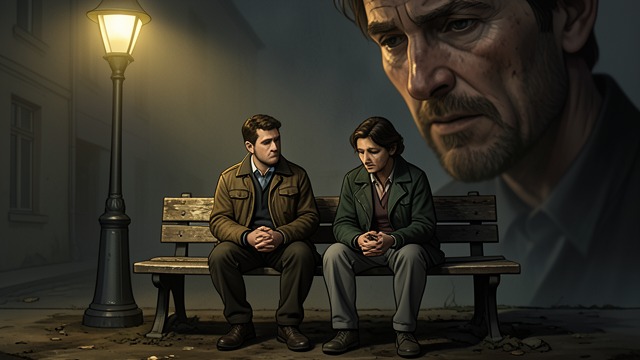
Helen tells Duncan what Grandma GiGi revealed about their mother’s suicide attempt. Duncan admits he believed his own behavior drove their mother away.
Their different beliefs reveal that they have both been trying to explain the same childhood alone. Helen recognizes that Duncan was present beside her, even when she did not experience him as a friend.
A relationship renewed
The siblings can now mourn the past without using each other as its cause. Their new understanding does not erase conflict; it gives affection a place to grow.
Before Nathan’s drowning
When Helen is nine
The year after Nathan’s death
During the night Helen speaks with Jake
After Helen tells Duncan the truth about their mother
