A love poem tucked into my bra
Happiness for BeginnersA love poem tucked into Helen’s bra is both a physical keepsake from Jake and an image through which Helen later describes carrying a cherished memory. Its meaning changes with her relationship to it: first, a promise not to read it holds the words at a distance; later, the poem becomes inseparable from the remembered beginning of their life together and from Helen’s deliberate effort to preserve happiness amid future sorrow.
The Kept Poem and the Broken Promise
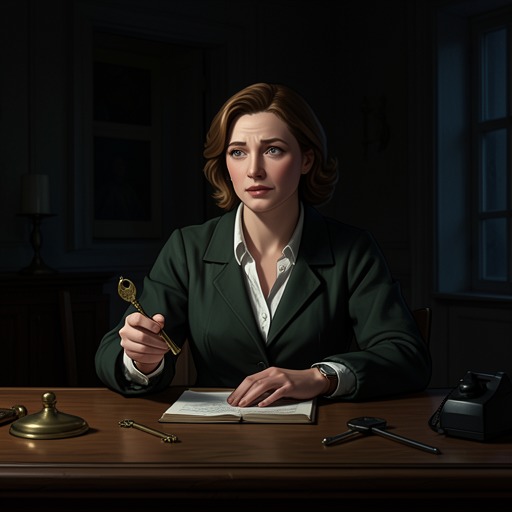
At Grandma GiGi’s house, Helen finds Jake’s poem in her purse while she is picking up her mess on the kitchen floor. The paper has been kept in her bra, close to her body, but Helen has promised not to read it. She had thought she should burn it with the rest of her “filthy things”; now that she believes everything is finally over, the promise seems to have lost its force. Without pausing to ask herself permission, she unfolds the paper and reads. The sequence gives the object two kinds of intimacy: it has been physically hidden against her, and its words have remained unopened by choice.
The reveal is smaller and more specific than Helen’s anticipation might suggest. The paper contains not an original poem by Jake but an excerpt from a Pablo Neruda poem, just as Jake had said. Its identity does not lessen its effect. Helen clasps a hand over her mouth as she reads, then folds it and slides it back into her bra. Grandma GiGi, who has come looking behind the table, asks whether she is okay; Helen answers that she is not really. The poem prompts a visible reaction, but the scene does not explain it away. The returned paper remains with Helen, and her brief answer registers that reading it has not made the moment emotionally simple.
The Image of the Lost Child
The excerpt turns on a speaker who wakes crying and explains that the tears belong to a dream of being lost and searching through night for another person’s hands. Its movement is from distress toward contact: the child is lost, but the search is directed toward hands that might be found. In the context of Helen’s keepsake, that image makes the poem legible as an expression of vulnerability and reaching for connection, without making the excerpt a straightforward account of either character’s life.
The word “only” matters to the poem’s emotional balance. Crying is not denied; it is given an explanation that places it within a dream and a search. The night’s leaves make that search difficult to see, while the hands supply its point of orientation. Helen’s physical response—the hand over her mouth—comes before any explanation of what the lines mean to her. Her answer to Grandma GiGi also refuses an easy resolution: the poem has been read, but Helen is still not okay. The passage lets the words and gesture carry the feeling without spelling out a complete account of it.
From Hidden Paper to Remembered Happiness
Much later, Helen names the poem as a measure of how she carries memory. She says that the elevator is the memory she turns to when she needs to think about happiness or remember what it feels like, and compares carrying that image to carrying “a love poem tucked into my bra.” The comparison returns the poem’s concealment and closeness in a changed form. The paper belongs to an earlier scene; the elevator memory is what Helen now carries inwardly. By setting the two images beside each other, the narrative makes the poem a figure for a memory held privately, repeatedly, and near at hand.
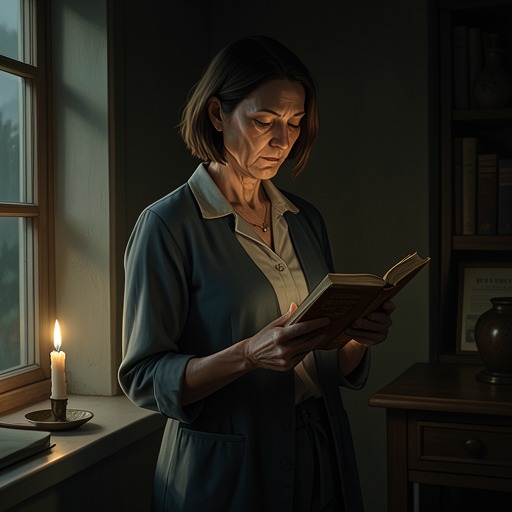
Helen says she no longer needs to read the poem, because she has looked at it so many times, yet reads it anyway and lets her eyes caress details that might otherwise disappear. That return is not redundant: the familiar text still requires attention if its details are to remain present. The physical act of reading echoes the earlier unfolding of the paper, but the later passage emphasizes choice and preservation rather than a broken promise. Helen closes her eyes to picture herself and Jake, breathless at the start of their life together. She knows, outside the memory, that heartbreak, sadness, and trouble will follow, and that they will face each hard thing better together than apart. The happiness of the remembered beginning is therefore not presented as ignorance that cancels later pain; it is a memory she chooses to keep alongside that knowledge.
Narrative Significance
The poem links a private keepsake to the book’s closing act of recollection. Helen reflects that remembered moments become the story people hold on to, and chooses to end her story with the elevator memory because it returns her to happiness. In that final image, the elevator doors open below floor level to reveal three firefighters and a hallway full of middle schoolers looking down at Helen and Jake tangled together on the floor. The scene’s awkward, concrete interruption belongs to the memory’s detail, not to a polished image of romance. Helen’s later attention to the details allows the moment to remain vivid without removing the difficulty that surrounds it.
The phrase about the poem tucked into her bra thus gathers together secrecy, bodily closeness, rereading, and the preservation of a chosen memory. At first, Helen reads because a promise no longer seems binding; afterward, she carries the poem’s image as part of the way she remembers a shared beginning. Its significance lies not in a claim that the poem resolves her distress, but in the contrast between the unsettled woman behind the kitchen table and the later narrator who can return to a difficult, imperfect memory and still recognize happiness in it.