Beckett Burns Helen’s List
Happiness for BeginnersBeckett Burns Helen’s List is a confrontation over litter that transforms a private list of aspirations into a public object lesson. When Beckett finds the paper at the campsite, Helen Carpenter recognizes it as the list she has been carrying in her bra. He reads its goals aloud to the group, then burns it in keeping with his fierce enforcement of the leave-no-trace rule. The incident joins environmental discipline to exposure: the list is destroyed, but not before its words have been made public.
Circumstances and Discovery
The incident takes place the morning Beckett is due to leave with the first group of hikers, the fast group. The previous night, Helen had worried about being left behind for a day. Though she could read maps, she had never used them in the real wilderness, and she imagined possible disasters before reassuring herself that the hike was only three miles along a straight, flat trail. That anxiety forms the immediate backdrop to the group’s departure, though the next morning’s crisis is not a navigation problem: it begins with a small piece of paper.
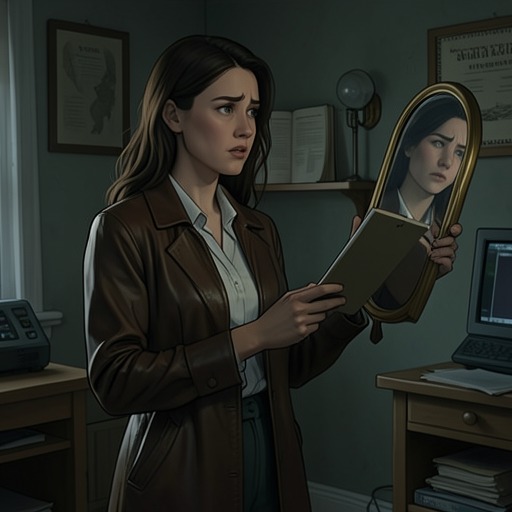
Before setting out, Beckett spots the litter, raises his palms to halt the group, crosses the campsite, and squats to inspect it. His questions—“Seriously folks?” and “Litter?”—make the paper a challenge to the group’s conduct before anyone has claimed it. He removes his pack, picks up the white square, and holds it between his fingers. In the campsite’s surroundings, Helen thinks, the scrap looks conspicuously out of place. Recognition follows: it is her own list of goals, lost rather than deliberately discarded. The distinction matters to her, but she has no chance to explain it before Beckett unfolds the paper.
A Private List Made Public
Helen starts toward Beckett and is about to say the list is hers and that she merely lost it. Before she can speak, he begins reading. Its ambitions are inward and expansive: “To gasp at the raw power and beauty of nature. To fall to my knees in awe of the magic of the world. To become a part of something so much larger than myself.” The list’s language about nature is exposed at the very moment its physical presence appears to violate the group’s obligation to respect it.
The other hikers laugh and snort at the words, while Beckett remains serious and asks whether anyone will claim the paper. Helen stays perfectly still. She silently gives thanks that she had cut her name off the top of the list before the journey began. Her anonymity prevents Beckett and the group from identifying the author, but it does not spare her the experience of hearing her personal aspirations performed aloud. The scene’s tension comes from this mismatch: the words express a desire to belong to something larger, while their author is, in this moment, privately exposed and publicly unrecognized.
Beckett’s Demonstration
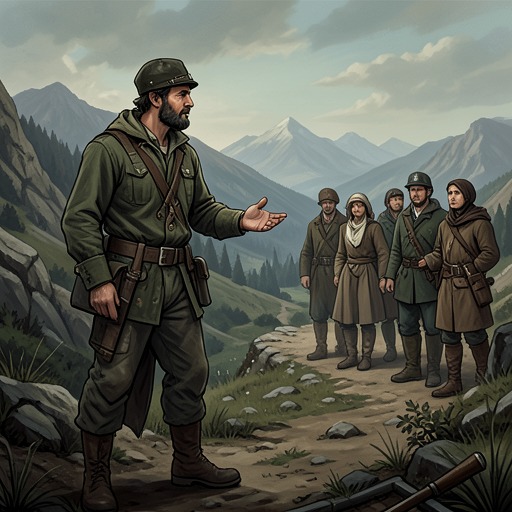
Beckett frames the paper as evidence of a recurring failure to heed his teaching. He asks how often the group has discussed respecting nature and leaving no trace, then invokes his warning from the first day: if he sees litter on the ground, he will go insane. When Dosie offers that he would “go insane,” Beckett confirms the answer and takes out the propane lighter used for the cookstoves. He holds the lighter in one hand and Helen’s list in the other, clicks on the flame, and again asks whether anyone wants to claim it.
No one does. Beckett lights the list without another word. He lets it burn almost to his fingers before dropping it and stamping out the flame with his boot. He then picks up the remaining corner of paper and puts it in his pocket. The sequence makes the scrap more than a passive prop: its discovery redirects the departure, its contents become a group spectacle, and its burning supplies the emphatic demonstration Beckett has threatened. Yet the list is not simply abandoned or allowed to become more litter; Beckett takes its remaining piece with him.
Aftermath and Significance
Beckett states, “The world is not your garbage dump, people,” and the group stares at him as though he is completely bananas. His warning that he will “scorch the earth” if the behavior happens again continues the exaggerated tone of the demonstration. He then whistles for the first group and leads them down the trail. Only after they are out of sight does the rest of the group release a long, collective breath.
Hugh comes to stand beside Helen as they watch the hikers leave and remarks, “Scorching the earth sounds counterproductive.” His dry response punctures Beckett’s threat without undoing the force of the scene. The episode sets the ideal of leaving no trace against the unintended consequences of a lost object: Helen’s list is personal writing, but once it is on the ground it becomes subject to the group’s environmental rule and Beckett’s public enforcement. Its destruction resolves the immediate confrontation, while its reading has already made the private goals it carried part of the shared morning.