Duncan takes Pickle home from the vet
Happiness for BeginnersDuncan taking Pickle home from the vet is a pivotal act of care whose consequences are tragic: he removes her from treatment because he cannot bear the thought of her spending a month in a cage, then makes her part of his daily life. When she later collapses, his attempts to get her back to the clinic come too late. Recounted through Duncan’s tearful explanation to Helen, the episode overturns the assumption that he simply failed to look after Pickle; he had tried to make a home for her, and he carries the guilt of how their time together ended.
The decision to bring Pickle home
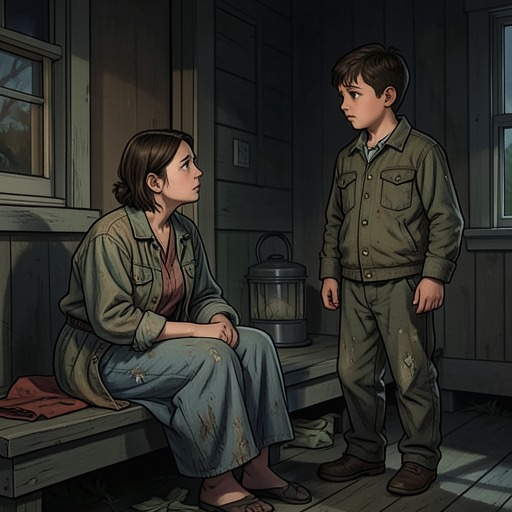
Helen had checked Pickle in at the veterinary clinic. Duncan, however, checked her out, a choice he admits to Helen only after warning that this is the part where she will hate him. He explains that he did not want Pickle to spend a month confined in a cage. He intended to bring her home, teach her tricks, and take good care of her, partly because Helen had asked him to do so. He also hoped the adoption would be a chance to come through for his sister for once and to surprise her.
The decision was not simply a refusal of responsibility: Duncan describes it as an attempt to assume responsibility himself. Yet his good intentions did not make the choice safe. The contrast between the care he wanted to provide at home and the veterinary treatment Pickle had been receiving becomes crucial once she falls ill. The account does not establish that Duncan understood the danger when he checked her out; what it does show is that he wanted Pickle with him and believed he could give her a happy, cared-for life.
Their life together
Duncan recalls their time at home as genuinely happy. He bought Pickle a jangly collar tag decorated with her name in rhinestones and tried to teach her a trick. When he tells Helen that he taught Pickle to shake, she points out that Pickle already knew how. Her correction briefly disrupts Duncan’s account, but he insists that they were pals and that Pickle was happy with him. The exchange gives their bond a concrete, affectionate texture: his pride in teaching her a trick meets Helen’s knowledge of the dog, without erasing the companionship Duncan says they shared.
The details of their household make that attachment unmistakable. Pickle ate Duncan’s copy of Catcher in the Rye, and she slept beside him every night, burrowing under his Budweiser blanket. These memories are not presented as proof that his decision was right; rather, they show what the decision made possible for him and Pickle. The clinic had represented confinement in his mind, while home became a place of shared routines, mischief, and closeness. Duncan’s memories also explain why he frames the loss not as the disappearance of a pet he barely knew, but as the death of a companion woven into his ordinary life.
Work at the clinic and the emergency
The decision to check Pickle out also led Duncan to a new job. While signing her out, he saw a notice at her veterinary clinic seeking a technician. He applied, was hired, and had been working there ever since; he tells Helen that he was good at the work. The irony is severe: Duncan found employment at the very clinic where Pickle had been treated, and when he later found her panting at home, he was away at work there.
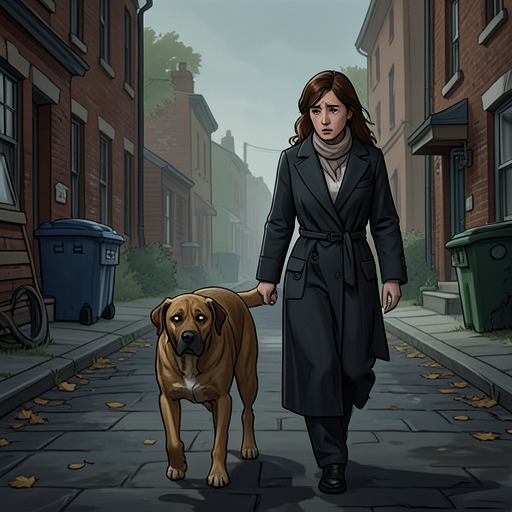
Duncan says he could not drive her back because his car had been fitted with a boot after a parking mishap. He put Pickle in one arm, got on his bicycle, and rode the twenty-two blocks back to the clinic. They were almost hit by a bus. Throughout the ride, he spoke to her and reassured her that the veterinarian would fix her and that she would be fine. By the time they arrived, however, it was too late: Pickle died in his arms. Duncan’s hurried journey is both an attempt to undo the risk of having brought her home and the final circumstance of her death. His new familiarity with the clinic could not overcome the delay or change the outcome.
Confession, grief, and consequence
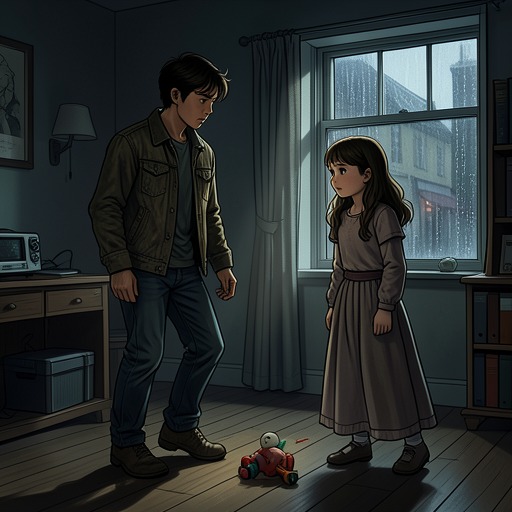
When Duncan explains what happened, his manner changes from the joking brother Helen had just seen to someone visibly overwhelmed by worry and grief. Tears spill down his cheeks as he prepares her for a truth he expects her to condemn. Helen initially insists that Pickle was at the vet, because she had checked her in; Duncan clarifies that he was the one who checked her out. His confession makes the chain of events plain and allows Helen to understand both his choice and its consequences.
The revelation does not absolve Duncan or suggest that his intentions prevented harm. Instead, it holds his affection and his consequential decision together: he wanted to give Pickle a home, grew close to her, and then could not save her when she became critically ill. Helen cries as he recounts the failed ride and Pickle’s death, so his private grief becomes something they share. The memory of Pickle under his blanket, like the rhinestone tag and the journey back to the clinic, leaves the episode suspended between tenderness and regret.