Helen's miscarriage and divorce from Mike
Happiness for BeginnersHelen’s miscarriage and divorce from Mike mark the moment she gave up on their marriage after a pregnancy loss revealed how alone she had become within it. In retrospect, the decision was swift and certain; the grief and disorientation that followed were not.
Background and Loss
At a pregnancy checkup, Helen expected ultrasound images to bring home. Instead, she learned she was miscarrying. The nurse explained that her body had stopped the pregnancy and warned her to expect cramping in the coming week, advising her to find someone to bring tea and hot-water bottles. Mike should have been that person, and should have accompanied her to the appointment, but he had forgotten to show up.
The absence was part of a larger failure that day. Mike had drinks at a business lunch, spent the afternoon at work tipsy, and went on to happy hour with coworkers. The evening stretched into late-night carousing; he did not return home until Helen was asleep. She drove herself back from the appointment in a blur, and the miscarriage began in earnest that night.
The Decision to End the Marriage
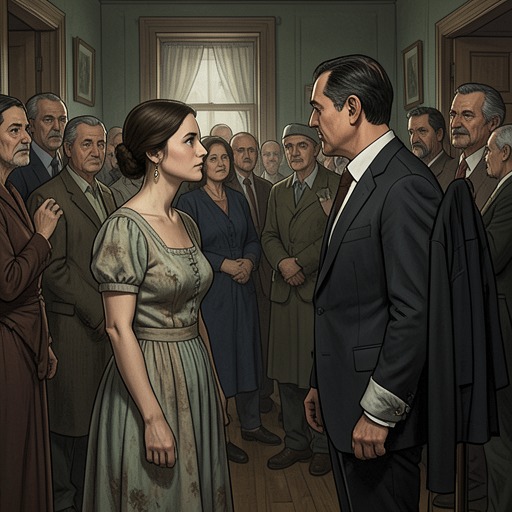
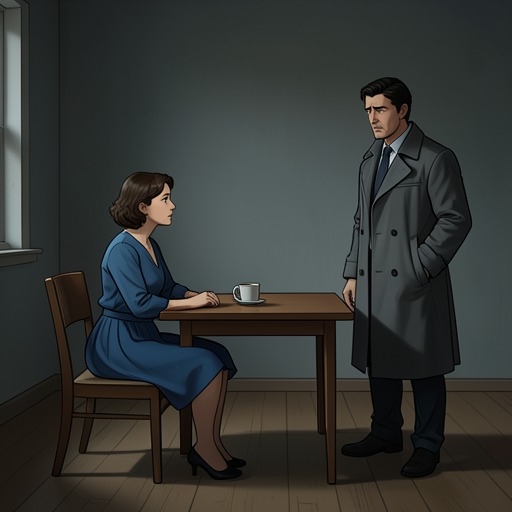
The next morning, Helen woke Mike and told him what had happened. She also told him she had given up on their marriage. The decision and its announcement took about ten minutes, and she did not cry or feel sorrow or regret at the time; those feelings came later. Mike, humbled and hungover, kept his eyes down and nodded rather than arguing.
After they separated, Helen was surprised by how sure she remained that making him leave had been right. The marriage had been bad for so long that she never seriously considered asking Mike to return. They had some phone calls and practical meetings, but Mike never made a serious attempt to reconcile. The miscarriage did not simply precede the separation: his absence during the crisis made the state of the marriage unmistakable to Helen.
Aftermath and Retrospective Meaning
Certainty about leaving did not spare Helen the loss that followed. She remembered the year as a swing between panic and what-ifs, and stretches of numb shock. One recurring image was herself alone beneath the fluorescent lights of a grocery store, pushing a squeaky-wheeled cart filled with Campbell’s soup, her attempt at comfort food. The mundane errand captures the loneliness that persisted after the immediate decision was settled.
Even while describing herself as hollowed out and lost, Helen held to a clear distinction: life without Mike was painful, but life with him would have been worse. That judgment gives the episode its lasting significance. The miscarriage and the marriage’s end belong together in her recollection not as equivalent losses, but as the crisis through which she recognized that preserving the marriage would deepen rather than relieve her suffering.