Zero Day
Happiness for BeginnersZero Day is the rest day that follows a particularly hard stretch of hiking, a pause in the BCSC expedition’s demanding routine. Its importance is clearest in the contrast between the rest the group expected and the rest it eventually received: after Hugh’s injury, the hikers were made to press on, while the day at Painted Meadow later offered both bodily recovery and a still, intimate space for Helen Carpenter to remember her brother.
Purpose and Place in the Hike
The course norm, as Helen understood it, was to follow a very tough hiking day with a Zero Day. Rest was not simply a reward at the end of a journey; it was part of the expedition’s rhythm, a chance to recover before setting out again. That expectation made the decision to keep moving after Hugh’s accident especially difficult for the group, who had already spent themselves helping with his evacuation.
A Zero Day also changed what the hikers did with their surroundings. At Painted Meadow, the day was not organized around covering distance. The group could rest, explore, fish, tend to laundry, or simply remain where it was. The pause allowed the meadow to be experienced as a place in its own right rather than only as terrain to cross.
The Postponed Rest Day
The day after Hugh’s fall should have been a Zero Day. Instead, Beckett rejected the pause because the group was still close to the trailhead and its campers, whom he disparagingly called the Ding Dongs. He wanted to move farther into the wilderness and chose Painted Meadow, which he described as the most beautiful place in the range. Reaching it would require a three-day hike.
The cost of that decision was visible in the hikers. Those who had helped carry Hugh on a makeshift litter had blistered hands and aching shoulders; the others who had shuttled packs had scratched legs and bleary eyes. When Mason questioned the lack of rest, Beckett dismissed the suggestion that the previous day had been especially hard. The group went on, despite its exhaustion and Helen’s doubts about Beckett’s judgment.
The schedule gave the continued march a destination and a promise: if the hike went to plan, the group would reach Painted Meadow in time for the Summer Solstice, take its Zero Day, and hold a party. The rest was therefore delayed, not abandoned. The same plan also marked the end of the group’s second week in the wilderness and the approach of The Solos, the expedition’s final challenge.
Rest at Painted Meadow
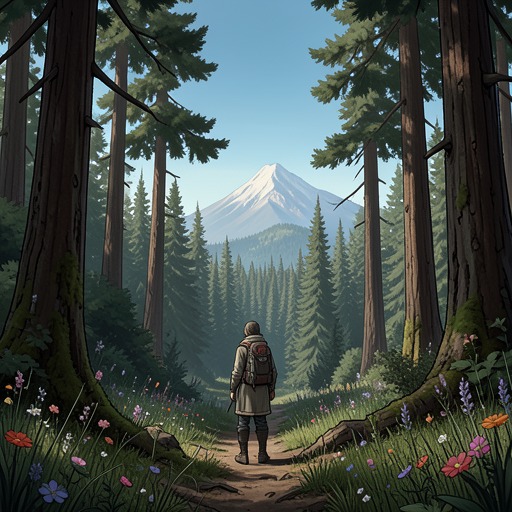
After the three-day push, the group woke at Painted Meadow and, instead of lining up for another march, was free to spend the day as it chose. The morning was cold, but sunlight warmed the meadow; by ten, Helen had taken off her sweater. Some of the larger hikers went exploring, while Jake and another hiker practiced fly-fishing in the stream. A few women washed their salt-stiffened socks and shirts with river water, carrying it to the meadow’s driest edge and laying the rinsed clothes on a rock to dry.
Helen watched but did not join the laundry. She felt there was little point in trying to get clean so late in the trip, and chose to lie on a sun-warmed rock. She considered looking for wildflowers to press into her journal, using a booklet Mason had lent her to identify them, helping Windy gather greens for the solstice dinner, or cheering when the group brought back fish. These were possibilities, not a list of tasks she completed: that morning, she wanted to do nothing.
Personal and Narrative Significance
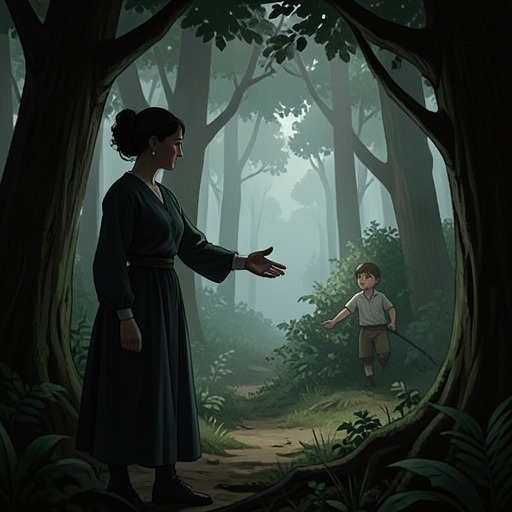
The rest day’s stillness made room for a memory that the march could not. Lying in the meadow, Helen imagined her lost brother as an eight-year-old with knobby knees and red sneakers, running through the grass or heading toward the river. She felt profoundly close to him there and could imagine him in the landscape, just out of sight. The place did not undo her loss, but the unhurried day let her experience the meadow through that bond as well as through its physical beauty.
Zero Day thus carries two kinds of relief. It gives an exhausted group time away from walking, chores, and the demands of the expedition; for Helen, it also suspends the forward pressure of the journey long enough for grief and remembrance to surface. The contrast with the postponed rest after Hugh’s accident makes the pause feel earned, while its quiet activities show that recovery need not mean doing anything at all.