Acromantula
Harry Potter and the Chamber of SecretsThe Acromantula is a monstrous, sentient spider species in the wizarding world, distinguished by its immense size, eight eyes, and ability to speak human language. These creatures are native to distant lands, not the British Isles, and are brought into the story through the character of Aragog, a giant Acromantula raised in secret by Rubeus Hagrid during his time as a student at Hogwarts. The Acromantula's role in the second year at Hogwarts is pivotal, as Aragog's testimony and the spiders' instinctive behavior provide crucial evidence that redirects the investigation into the Chamber of Secrets, ultimately proving Hagrid's innocence and pointing toward the true monster within the castle.
Origins and Nature
Aragog, the first Acromantula encountered, explains that he was not born in the castle but came from a distant land, given to Hagrid as an egg by a traveler. Hagrid, then only a boy, cared for him in a cupboard in the castle, feeding him scraps from the table. This upbringing forged a deep bond between the two, with Aragog describing Hagrid as his good friend and a good man. The Acromantula is a creature of the dark and quiet, preferring the seclusion of the Forbidden Forest, where Aragog eventually established a vast colony with his wife, Mosag, and their numerous offspring. The species is characterized by its formidable size, with Aragog himself described as the size of a small elephant, and its ability to communicate in a clicking language that accompanies its speech. Despite their fearsome appearance and predatory nature, Aragog claims to have never harmed a human out of respect for Hagrid, though his instinct would have been to do so.
The Acromantula's most significant trait in the narrative is its profound fear of the Basilisk, a creature it describes as an ancient being that spiders fear above all others. Aragog recalls how he pleaded with Hagrid to let him go when he sensed the beast moving about the school, and he refuses to name it, stating that spiders do not speak of it. This fear is not merely anecdotal; it manifests in the behavior of ordinary spiders throughout the castle, which are seen scuttling away from the scene of attacks, as noted by Hermione Granger when she observes spiders fleeing through a window. This instinctive terror provides Harry with a vital clue, as he later reads in a library book that spiders flee before the Basilisk, confirming the monster's identity.
Role in the Chamber of Secrets Mystery
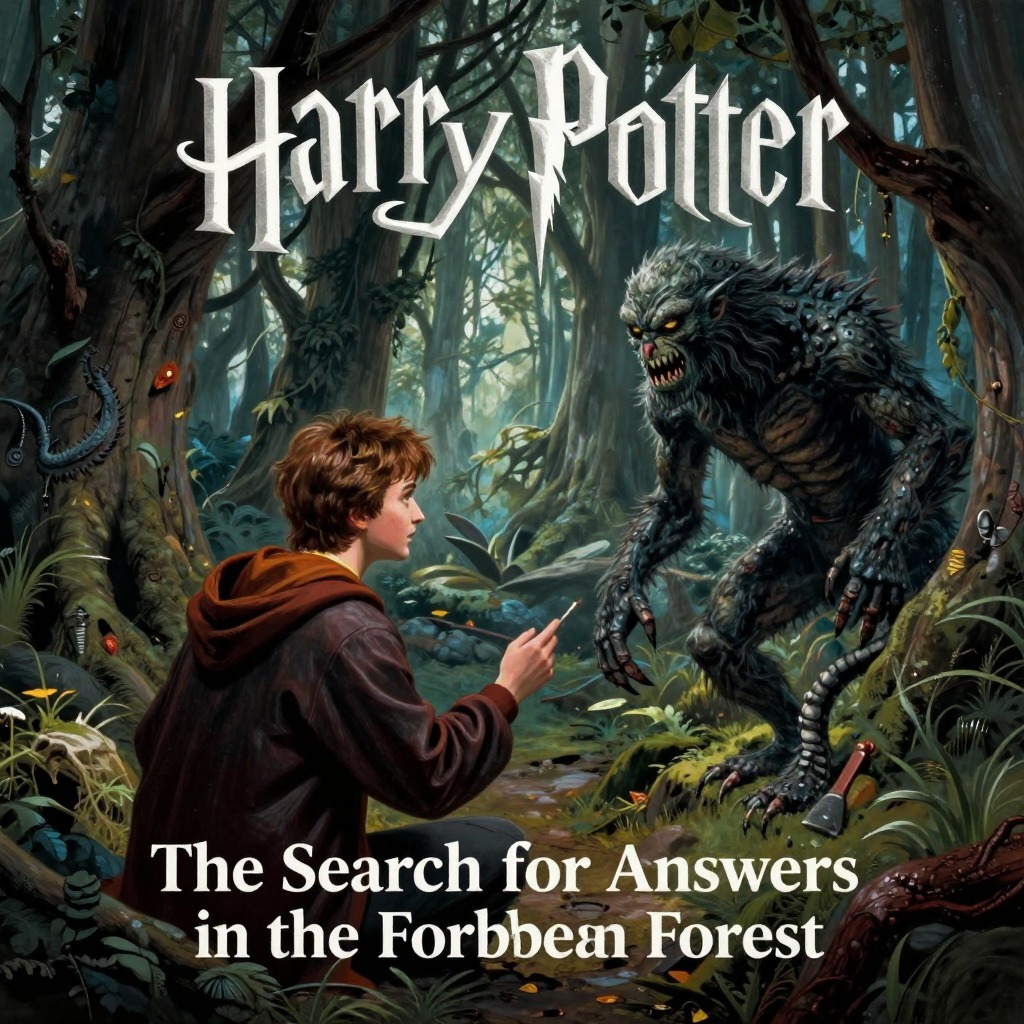
The Acromantula's connection to the Chamber of Secrets is established through Aragog's history. When the Chamber was first opened fifty years ago, Aragog was discovered and blamed for the death of a girl, leading to Hagrid's expulsion from Hogwarts. Aragog explains that he was never the monster of the Chamber, as he had never seen any part of the castle except the cupboard where he grew up. He reveals that the girl's body was found in a bathroom, a detail that later proves crucial. Hagrid, knowing the truth, protected Aragog by sending him to live in the Forbidden Forest, where he has remained ever since, visited by Hagrid who even found him a wife. This backstory is revealed to Harry and Ron when they venture into the forest following Hagrid's cryptic advice to "follow the spiders" after his arrest. The encounter with Aragog and his colony is harrowing, as the spiders initially threaten to kill the boys, but Aragog, recognizing them as friends of Hagrid, spares them and shares his knowledge, though he refuses to name the creature in the castle.
The spiders' behavior also serves as a narrative device, guiding Harry and Ron through the forest. The trail of spiders, moving in an unnaturally straight line, leads them deep into the Forbidden Forest to Aragog's hollow. This journey, undertaken under the cover of the Invisibility Cloak, is fraught with danger, culminating in the boys being captured by Aragog's offspring and brought before him. The revelation that Hagrid was innocent of opening the Chamber, and that the true monster was something else entirely, shifts the investigation's focus and reinforces the theme of misunderstood creatures, as Hagrid's kindness to Aragog is contrasted with the school's suspicion of him.
Significance and Thematic Resonance
The Acromantula embodies several of the book's central themes, particularly the nature of prejudice and the consequences of fear. Aragog, despite being a monstrous spider, is portrayed as a loyal and intelligent being, grateful to Hagrid for his care and protective of his own kind. His refusal to name the Basilisk highlights the deep-seated terror that even the most fearsome creatures can feel, and his story underscores the injustice of Hagrid's expulsion, as he was blamed for a crime he did not commit. The Acromantula's presence in the Forbidden Forest also enriches the novel's ecological dimension, presenting the forest as a habitat for diverse and dangerous magical creatures, each with its own role in the magical world's balance. The spiders' instinctive flight from the Basilisk is a natural, almost ecological response, contrasting with the deliberate malice of the Heir of Slytherin, and it ultimately aids Harry in solving the mystery, demonstrating that even the most reviled creatures can provide unexpected help. Through Aragog, the Acromantula becomes a symbol of the misunderstood and the marginalized, challenging the reader to look beyond appearances and recognize the value of all living things, a lesson that resonates with the book's broader critique of blood purity and prejudice.