Hogwarts School of Witchcraft and Wizardry
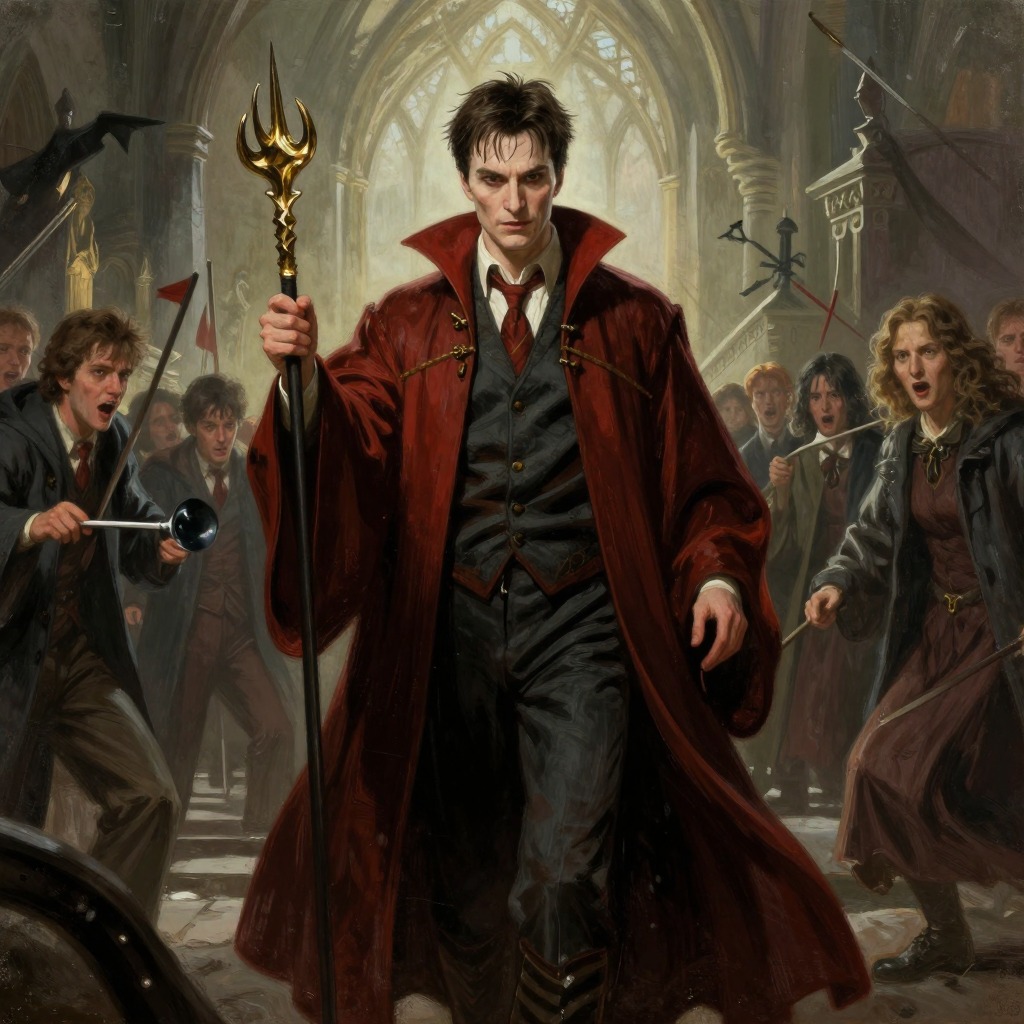
Harry Potter and the Half-Blood PrinceHogwarts School of Witchcraft and Wizardry is the ancient, enchanted castle that serves as both a school for young witches and wizards and the central stage for the escalating war against Lord Voldemort. In Harry Potter and the Half-Blood Prince, the school undergoes a profound transformation from a sanctuary of learning into a heavily fortified stronghold under siege, where the boundaries between safety and danger collapse, culminating in the murder of its headmaster and the shattering of its protective aura. The castle itself becomes a character, its secret passages, enchanted rooms, and towering battlements reflecting the hidden conflicts and looming tragedy that define the narrative.
Fortress Under Siege: Security and the Erosion of Safety
At the start of the term, Hogwarts is presented as a place of heightened security. The Ministry of Magic, under new Minister Rufus Scrimgeour, implements stringent new measures, including defensive spells, countercurses, and a small task force of Aurors dedicated solely to the school's protection. The castle's magical fortifications are strengthened, and the headmaster, Albus Dumbledore, urges students to abide by security restrictions and report anything suspicious. The entrance to the school is guarded by new enchantments, and all students are searched upon arrival with Secrecy Sensors to detect Dark objects. Despite these precautions, the school's vulnerability is exposed. The cursed opal necklace, intended for Dumbledore, is smuggled in and nearly kills Katie Bell. The poisoned mead, also meant for the headmaster, is consumed by Ron Weasley, who is saved only by a bezoar. These attacks demonstrate that the castle's defenses, while formidable, can be circumvented, creating an atmosphere of pervasive fear and uncertainty. The school's very nature as a closed, protected community becomes a trap, as the enemy operates from within.
The Castle's Hidden Depths: Secret Spaces and Hidden Agendas
Hogwarts is a labyrinth of secret passages and enchanted rooms that serve as crucial locations for the plot's clandestine activities. The Room of Requirement, a magical space that appears only when someone has a specific need, becomes the headquarters for Draco Malfoy's secret mission. He uses it to repair the broken Vanishing Cabinet, creating a passage for Death Eaters to infiltrate the castle. The room's ability to transform itself reflects the hidden nature of Malfoy's plot, which operates entirely beneath the notice of the school's authorities. The Marauder's Map, which reveals the location of every person within the castle, is used by Harry to track Malfoy's movements, but the Room of Requirement itself is unplottable, a blind spot that underscores the limits of even the most powerful magical surveillance. The castle's very architecture, with its moving staircases and hidden corridors, becomes a tool for both protection and deception, a physical manifestation of the secrets and conspiracies that unfold within its walls.
The Heart of the School: The Astronomy Tower and the Death of Dumbledore
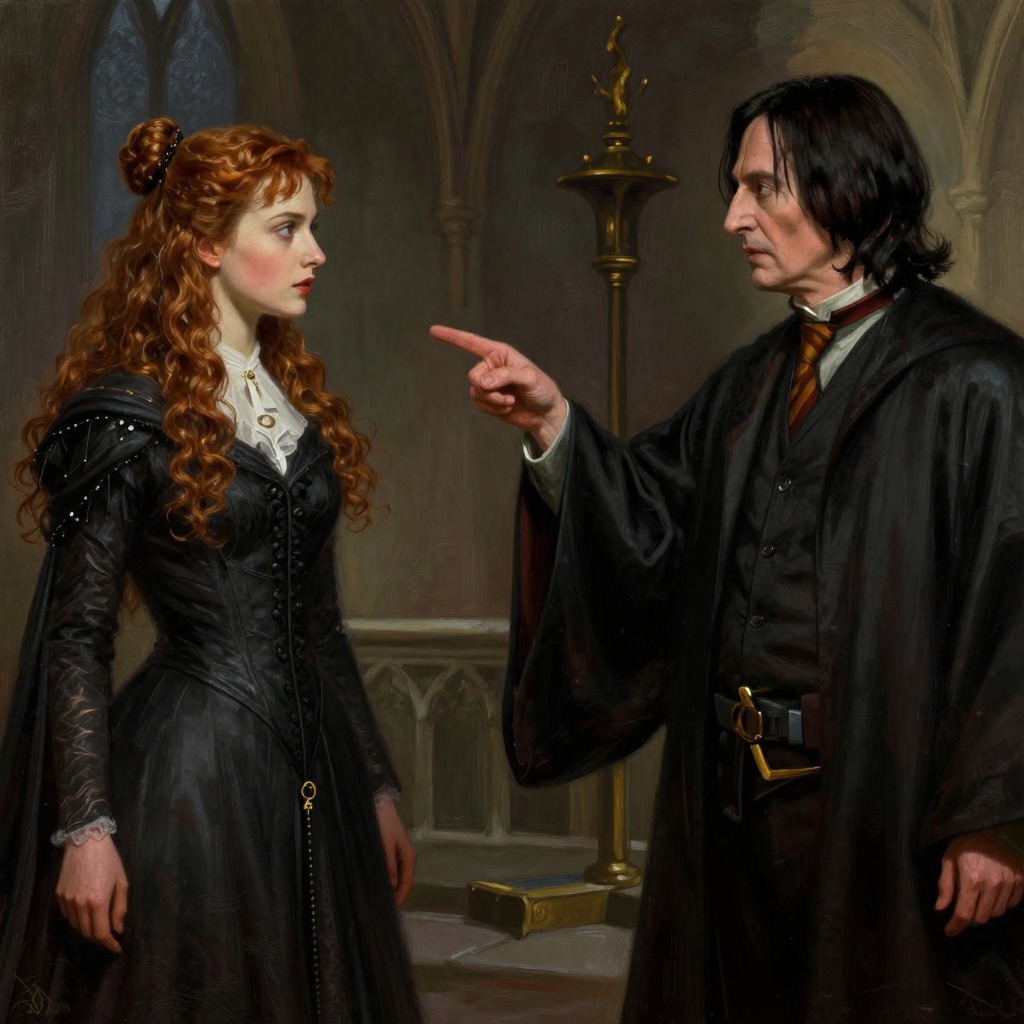
The Astronomy Tower, the highest point of the castle, becomes the site of the novel's most devastating event. It is here that the Dark Mark is conjured, a signal that draws Dumbledore to his death. The tower's isolated, elevated position makes it a perfect stage for a private confrontation, and it is here that Draco Malfoy confronts Dumbledore, unable to carry out the murder himself. The arrival of the Death Eaters, led by Fenrir Greyback, and finally Severus Snape, transforms the tower into a scene of ultimate betrayal. Snape's use of the Killing Curse, Avada Kedavra, sends Dumbledore's body hurtling over the battlements, a fall that symbolizes the collapse of the school's last line of defense. The tower, once a place for astronomical study and quiet contemplation, is forever marked as the site of the headmaster's murder, a physical scar on the castle that mirrors the emotional trauma inflicted on its inhabitants.
The Final Farewell: The Lake and the White Tomb
In the aftermath of Dumbledore's death, the school's grounds become the setting for his funeral, a ceremony that draws wizards and magical creatures from across the world. The body is laid to rest on a marble table near the lake, the same body of water where Harry had once faced the Inferi. The funeral is a moment of profound loss and transition. The merpeople rise from the lake to sing a lament, and the centaurs fire a volley of arrows as a tribute. Dumbledore's body is consumed by white flames, leaving behind a white marble tomb that becomes a permanent monument on the grounds. This tomb, visible from the castle, serves as a constant reminder of the price of the war and the void left by the headmaster's absence. The lake, once a place of beauty and mystery, now reflects the white tomb, a symbol of the school's new, somber reality. The funeral marks the end of an era for Hogwarts, as the students and staff must now face a future without their greatest protector.
A School Transformed: The Legacy of Loss and the Path Ahead
By the novel's end, Hogwarts is a fundamentally changed place. The death of Dumbledore, the revelation of Snape's treachery, and the successful infiltration by Death Eaters have irrevocably damaged the school's sense of security. The Ministry of Magic, led by Scrimgeour, questions whether the school should even reopen. The students are sent home, and the future of Hogwarts is uncertain. For Harry, the school is no longer a sanctuary. He decides not to return, choosing instead to embark on a solitary quest to destroy the remaining Horcruxes. The castle, which had been his home and refuge, is now a place of painful memories and unresolved dangers. The final image of the white tomb beside the lake encapsulates the novel's central theme: the loss of innocence and the end of a protected childhood, as the characters are forced to leave the shelter of Hogwarts and face a war-torn world.