Draco Malfoy
Harry Potter and the Prisoner of AzkabanDraco Malfoy is a Slytherin student at Hogwarts School of Witchcraft and Wizardry, the son of Lucius Malfoy, and the principal antagonist to Harry Potter. He embodies the pure-blood elitism and casual cruelty of his family, using his social standing and his father's influence to bully those he considers beneath him. In his third year, Malfoy's role expands from schoolyard tormentor to a more insidious agent of the Malfoy family's power, as he actively works to have the gamekeeper Rubeus Hagrid fired and attempts to sabotage Harry's Quidditch career, all while remaining a figure of petty spite and cowardice.
Identity and Background
Draco Malfoy is introduced as a pale, pointed-faced boy with a sneering demeanor, who plays Seeker for the Slytherin Quidditch team, the same position Harry holds for Gryffindor. He is flanked by his cronies, Vincent Crabbe and Gregory Goyle, who exist to do his bidding. Malfoy's identity is deeply rooted in his family's wealth and pure-blood ideology. He is openly contemptuous of Muggle-borns, a prejudice he inherited from his father, Lucius Malfoy, a powerful and influential figure in the wizarding world. This influence is a key part of Draco's power; he frequently invokes his father's name to threaten others, as when he tells Ron Weasley that his father has complained to the school governors about an injury, aiming to get Hagrid fired. His family's wealth is also a source of pride, allowing him to own a Nimbus Two Thousand and One broomstick, which he flaunts.
Arc Through the Plot
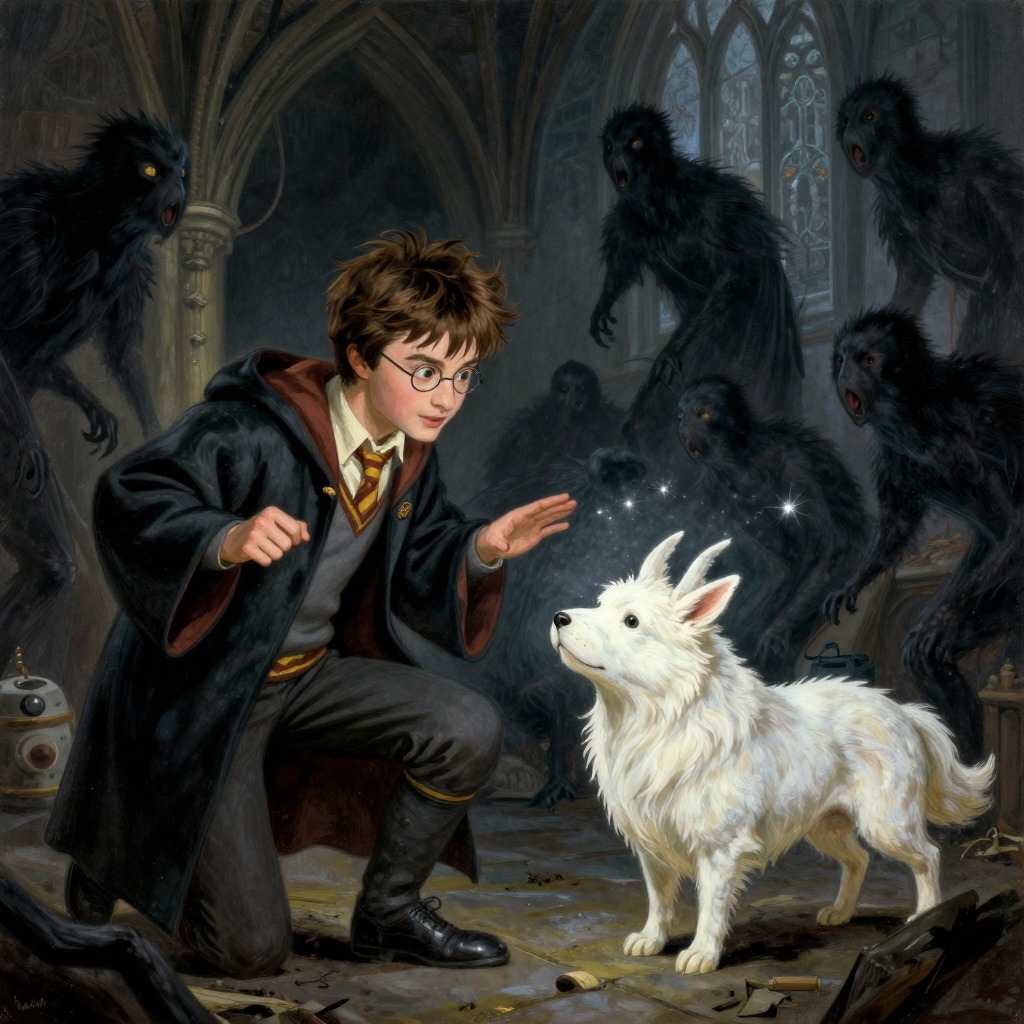
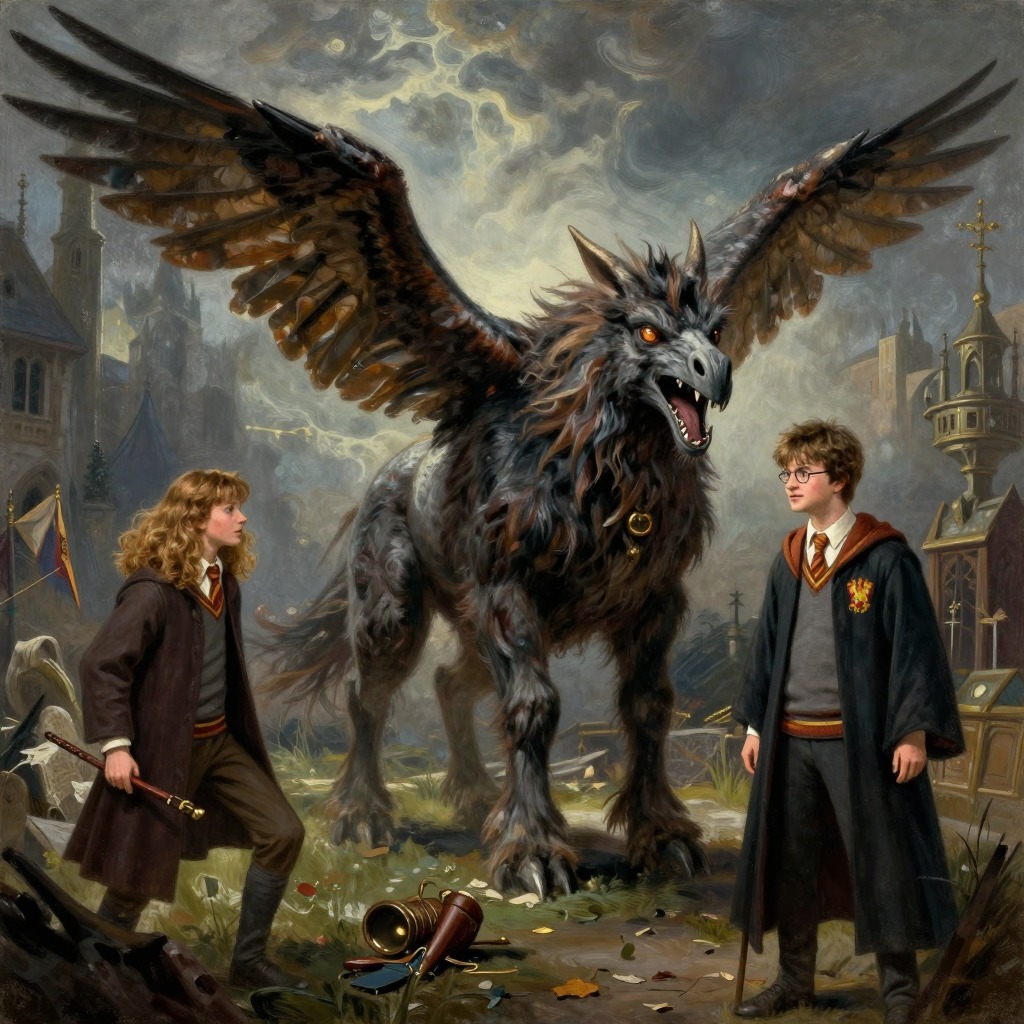
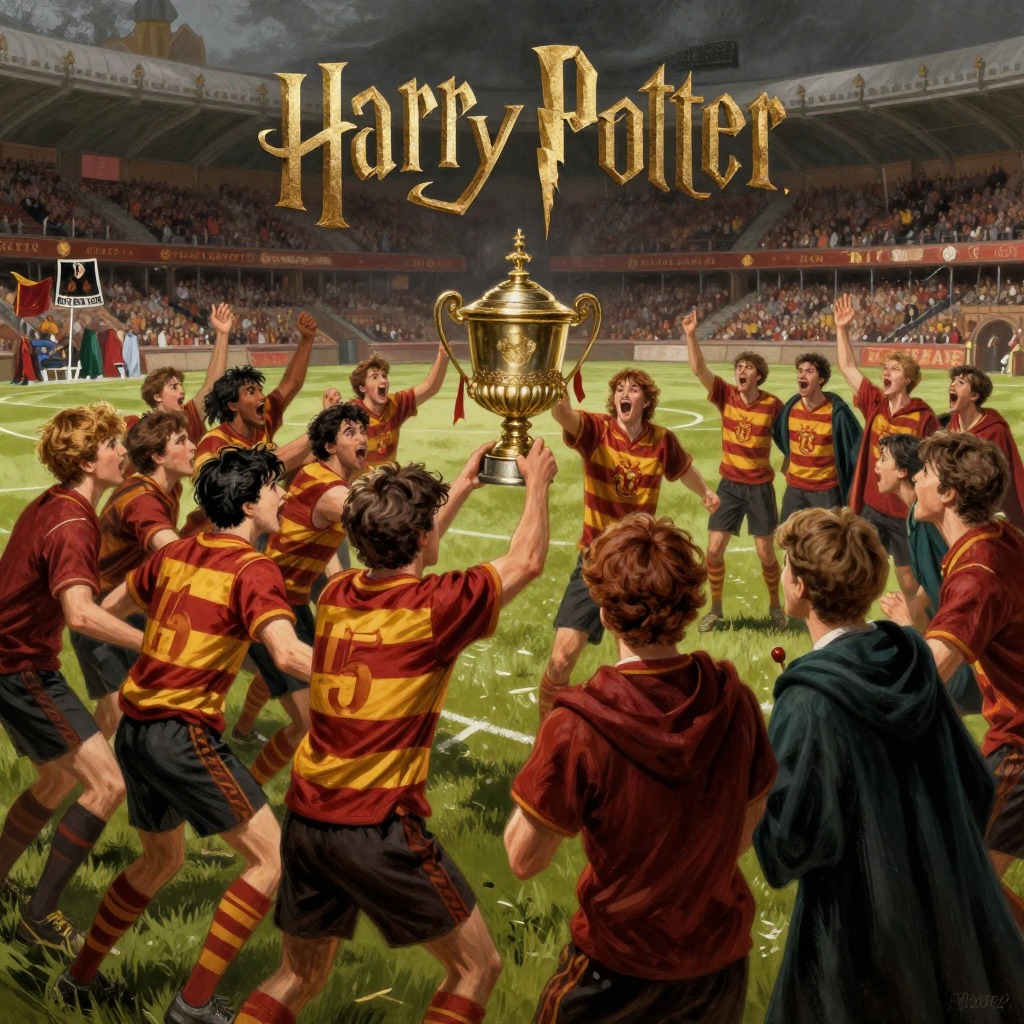
Malfoy's year is marked by a series of escalating, yet often thwarted, schemes. He begins by mocking Harry for fainting during a Dementor attack on the Hogwarts Express, a taunt he repeats throughout the term. His most significant plot is his manipulation of the Hippogriff attack. After deliberately insulting Buckbeak, the Hippogriff, and getting injured, Malfoy feigns a serious, lasting injury to his arm. He uses this pretense to pressure his father into lodging a formal complaint, which leads to Buckbeak being sentenced to death by the Committee for the Disposal of Dangerous Creatures. Malfoy's delight in this outcome is evident when he gloats about the execution to Ron near the Shrieking Shack. Later, during the Gryffindor versus Ravenclaw Quidditch match, Malfoy and his Slytherin friends dress as Dementors in a cowardly attempt to frighten Harry off his broom, a trick that backfires when Harry produces a powerful Patronus and Professor McGonagall catches them, awarding them detention and taking fifty points from Slytherin. After Sirius Black's escape, Malfoy is furious that Hagrid has apparently smuggled Buckbeak to safety, feeling that he and his father have been outwitted by a gamekeeper.
Relationships and Conflict
Malfoy's central relationship is one of intense enmity with Harry Potter. He constantly seeks to provoke and humiliate Harry, calling him "Potty" and Ron "the Weasel." He is also a primary source of conflict for Ron and Hermione. He mocks Ron's family's poverty and, after Scabbers's apparent death, taunts Ron about his lost pet. His relationship with his father, Lucius Malfoy, is one of deference and reliance; he uses his father's influence as a weapon. Within Slytherin, he is a leader, commanding the loyalty of Crabbe and Goyle through his status and wealth. His interactions with teachers are marked by favoritism; Professor Snape, the head of Slytherin, consistently favors him, allowing him to get away with behavior that would earn other students detention. This is starkly contrasted with his insolent attitude toward Professor Lupin, whom he openly mocks for his shabby robes.
Change and Ending
Despite his many schemes, Malfoy undergoes no significant change or redemption in this book. He remains a static character, defined by his malice and his reliance on his father's power. His plots against Hagrid and Harry both fail, and he is publicly humiliated when his Dementor disguise is exposed. At the end of the year, he is left furious that Buckbeak has escaped, his desire for revenge unsatisfied. His final appearance shows him still consumed by his petty grudges, a figure of impotent rage rather than genuine threat. The narrative does not offer him a moment of growth or self-awareness; he remains a flat character whose function is to embody the corrupting influence of pure-blood ideology and to serve as an obstacle for the protagonists.
Thematic Significance
Malfoy serves as a vehicle for exploring themes of prejudice, privilege, and the abuse of power. His pure-blood supremacist views, inherited from his father, represent the systemic bigotry within the wizarding world. His ability to manipulate the school's disciplinary system and even the Ministry of Magic through his father's influence highlights the corrupting effect of wealth and social status. His cowardly tactics, such as faking an injury and dressing as a Dementor, contrast sharply with the bravery of the Gryffindor protagonists, reinforcing the book's moral framework. Ultimately, Malfoy is a cautionary figure, demonstrating how privilege, when combined with a lack of empathy, leads not to genuine power but to petty cruelty and eventual humiliation.