
Walter Thirsk and Charles Kent
HarvestThis flow traces the lifelong friendship and service that bind Walter Thirsk to Charles Kent even as their shared home disappears.
increasing Bearing strength in each event
 decreasing
Bearing strength in each eventdecreasingA Shared Childhood
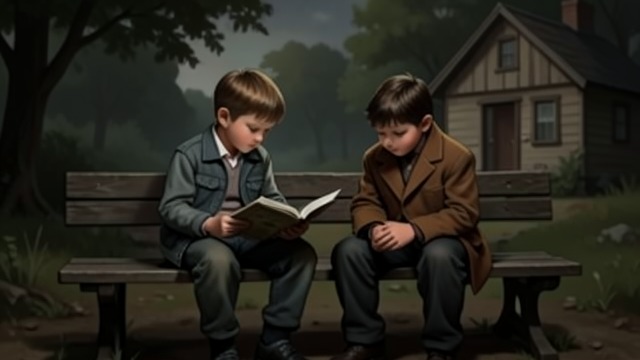
A Shared Childhood
Unequal companions
Walter Thirsk and Charles Kent grow up near one another, their families connected to the manor. Charles Kent shares books with Walter Thirsk, who becomes skilled in reading and calculation.
Their intimacy is shaped by different social positions that neither can entirely ignore.
A lasting obligation
Walter Thirsk’s later service grows from affection as well as loyalty. He sees Charles Kent as more than an employer, without claiming they are equals.
Permission to Choose
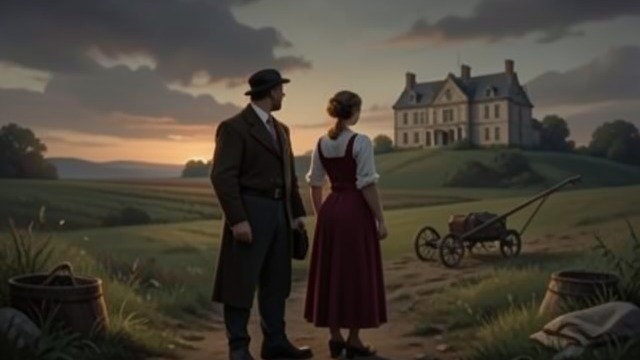
Permission to Choose
A new life authorized
When Walter Thirsk falls in love with Cecily, he tells Charles Kent he wants to work alongside her. Charles Kent tells him to plow the earth.
Walter Thirsk leaves direct service but remains on the estate.
Friendship made flexible
Charles Kent allows Walter Thirsk to choose marriage and village life without ending their bond. Their relationship survives a change in formal employment.
A Shared Bereavement
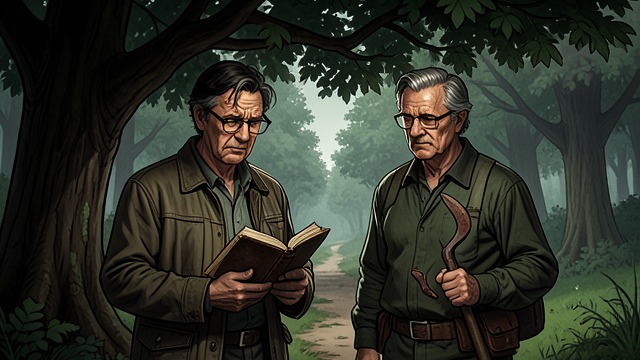
A Shared Bereavement
Two widowers
Charles Kent loses Lucy Kent and their infant daughter, while Walter Thirsk loses Cecily to illness. Both men remain in a landscape marked by absence.
They do not speak equally openly about grief, but their losses make their old companionship more tender.
Service as care
Walter Thirsk continues helping Charles Kent with the estate and household. Practical loyalty becomes a way of sustaining a friendship neither man can easily name.
A Bargain for Others
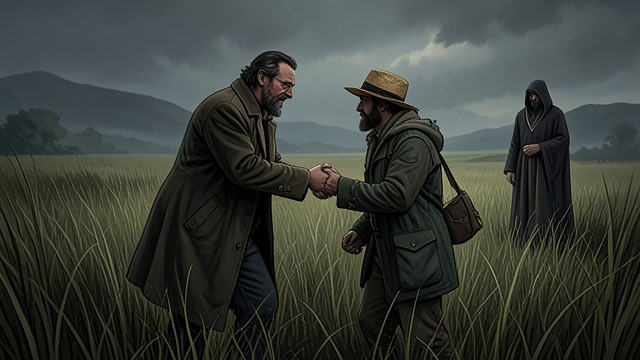
A Bargain for Others
Kent intervenes
Charles Kent negotiates the release of Kitty Gosse, Anne Rogers, and Lizzie Carr. To secure it, he agrees that Walter Thirsk will remain behind to serve the new owner.
Walter Thirsk accepts despite knowing the work may make him complicit in enclosure.
Friendship’s price
Charles Kent’s choice protects several people but places his friend in a compromised position. Their affection is expressed through sacrifice rather than an easy solution.
The Parting Gesture
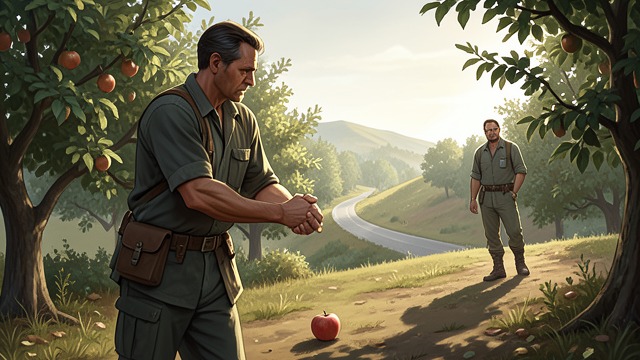
The Parting Gesture
An embrace before departure
Charles Kent and Walter Thirsk embrace in the orchard, then part without a formal handshake. Charles Kent leaves the estate he has governed for years.
Walter Thirsk watches from Clover Hill as the party passes.
Meaning left open
Charles Kent’s final hand gesture seems more lively than defeat, but Walter Thirsk cannot know what it means. Their friendship continues as a memory and a question.
Before Walter Thirsk settles in the village
Twelve years before the main events
After Lucy Kent dies, before the current harvest
The morning of the Jordan party’s departure
As Charles Kent rides away, near the ending
