
Voice, Eloquence, and Silence
Heart of DarknessThis flow follows the power of speech from Kurtz’s reputation to his final cry and Marlow’s concealed answer.
increasing Bearing strength in each event
 decreasing
Bearing strength in each eventdecreasingThe Voice Anticipated
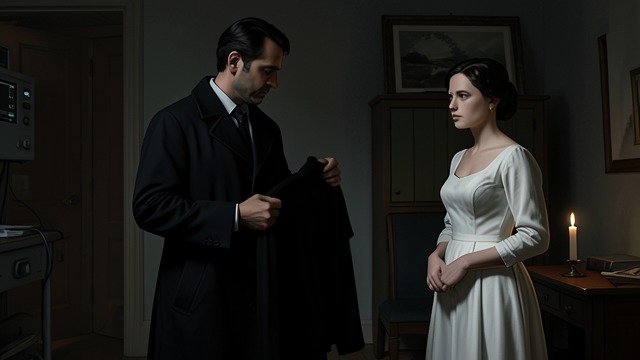
A Man Imagined as Speech
Reports of Eloquence
People described Kurtz as gifted, persuasive, and capable of commanding attention. Marlow began to imagine him through the reports of what he could say.
An Absent Presence
Before they met, Kurtz had no clear shape for Marlow beyond his voice and reputation. The anticipated conversation became the main reason for wanting to encounter him.
Speech as Promise
Eloquence seemed to offer access to meaning, yet its power also made it suspect. The story would test whether impressive words revealed character or concealed its absence.
The Humanitarian Oration

Words of Benevolence
A Persuasive Report
Kurtz’s report described European influence as a force for good and was written with impressive eloquence. Its language could inspire readers to believe in an expansive moral mission.
The Postscript’s Shock
The command “Exterminate all the brutes!” appeared beneath that argument. The abrupt change exposed a violent impulse that the polished speech did not contain.
A Dangerous Gift
Eloquence could magnify an idea while hiding the gap between words and actions. Kurtz’s writing made speech powerful, but not necessarily trustworthy.
The Trader’s Audience
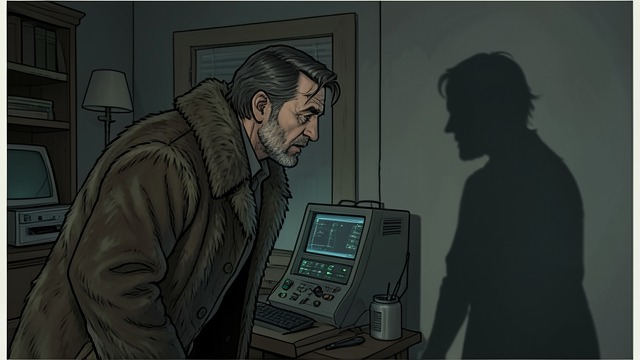
Listening as Devotion
Nights of Talk
The Russian Trader remembered speaking with Kurtz through the night. He believed that the conversations had shown him new ideas and ways of seeing.
Admiration’s Hold
Even after Kurtz threatened him over Ivory, the trader remained devoted. The force of the voice helped bind him to a man whose actions gave reason for fear.
Influence Without Proof
Kurtz’s ability to inspire listeners did not establish the truth of his claims. The trader’s attachment showed how speech could create allegiance independently of moral reliability.
The Final Cry
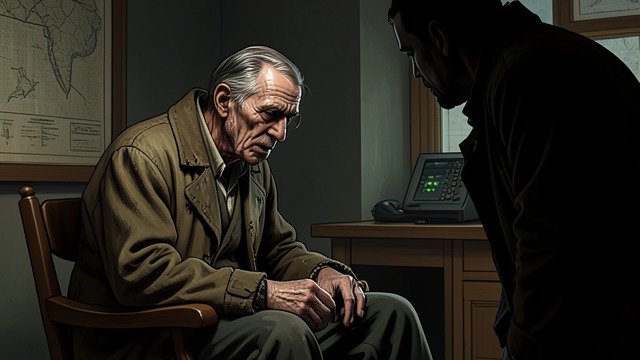
Words at the Edge
Declining Strength
Kurtz continued to speak as his body weakened. His voice retained a striking force even as the person behind it approached death.
Judgment in Few Words
He cried, “The horror! The horror!” Marlow heard the utterance as a response to the life Kurtz had lived, not as one more performance of ambition.
A Different Eloquence
The final words were brief rather than expansive. Their power came from apparent recognition and candour at the moment when the elaborate plans had failed.
The Name Concealed
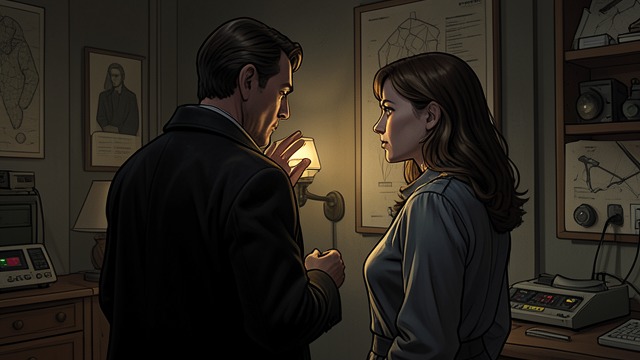
Marlow’s Answer
A Request for Speech
The Intended asked Marlow to repeat Kurtz’s final words. She expected a memory that could give meaning to her grief.
A Substitute Voice
Marlow said that Kurtz had pronounced her name. The statement supplied a tender ending in place of the actual cry.
Silence After Eloquence
The lie turned Marlow’s speech into a form of concealment. The story ends with words that comfort one listener while leaving the truth present in another’s memory.
Before Marlow reaches the Inner Station
Before Kurtz’s descent into violence
During the Russian Trader’s conversations with Kurtz
During Kurtz’s last illness aboard the steamer
At the Intended’s drawing-room
