
The Hero and Villain Frames
Heart of the HunterThis thematic thread follows the competing labels placed on Thobela and shows how biography, politics, and publicity resist a single moral verdict.
increasing Bearing strength in each event
 decreasing
Bearing strength in each eventdecreasingA Headline’s Villain
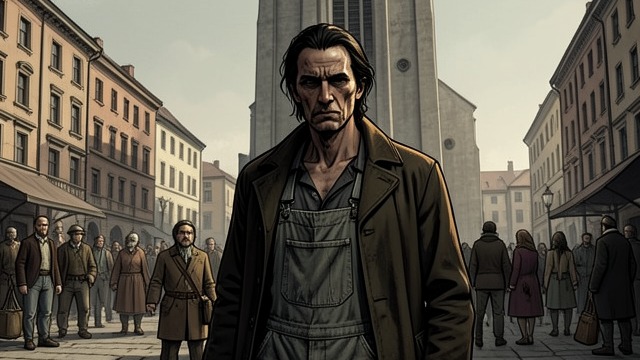
A Headline’s Villain
A Convenient Character
The press labels Thobela a big, bad biker and an armed fugitive. The phrase captures attention but substitutes a marketable persona for an account of his purpose.
Public Judgment Begins
Once readers accept the label, his actions are interpreted through it. The government’s case benefits from a story that makes force seem obvious and necessary.
The Veteran’s Defense
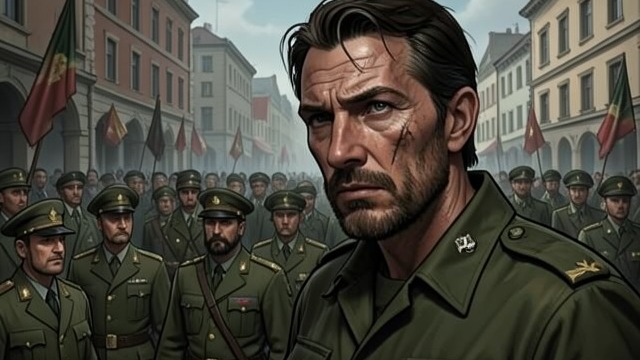
The Veteran’s Defense
A Comrade Speaks
A former comrade describes Thobela as an honourable soldier, offering a counterweight to the official allegations. His testimony gives the public a history of service rather than a record of criminality.
Reputation Remains Contested
Other former associates call him a brawler and a psychopath. Neither account fully contains the man, and the competing claims expose how testimony can serve personal or political needs.
A Criminal Past Revealed
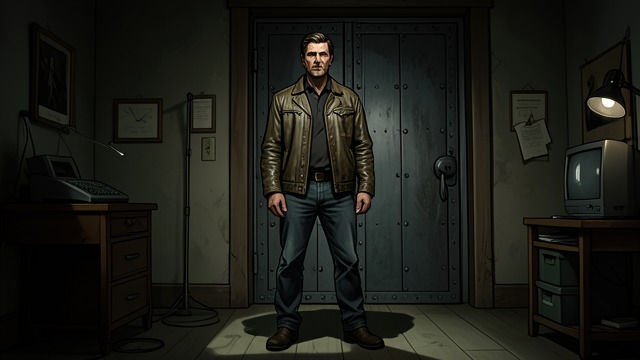
A Criminal Past Revealed
Violence in the Cape Flats
Orlando confirms that Thobela worked as an enforcer and sometimes used violence. He also recalls acts of generosity and a person who seemed emotionally absent from the work.
Complexity Resists Packaging
The testimony does not erase harm or prove redemption. It shows why labels such as hero and villain simplify lives that contain both capacity for cruelty and capacity for care.
The Assassin’s History
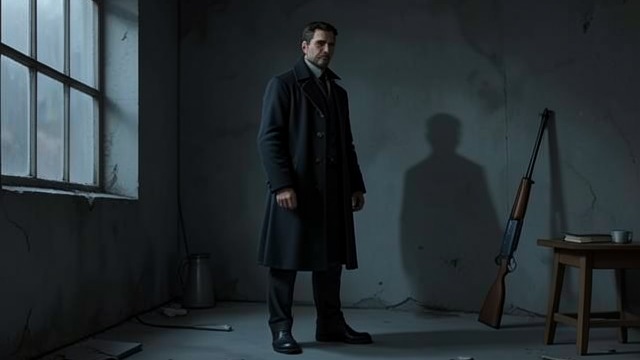
The Assassin’s History
A More Disturbing Past
Zatopek tells Allison that Thobela served as an assassin for Soviet and East German intelligence. The revelation challenges the more comfortable picture of a former liberation soldier.
Judgment Complicated
Allison must weigh the reality of the killings against the institutions and loyalties that shaped them. The past is neither excused nor detached from the person trying to live differently now.
A Person Beyond the Labels

A Person Beyond the Labels
A Life Still in Motion
Thobela returns with Pakamile, carrying a history that includes service, killing, abandonment, love, and loss. No official statement or newspaper headline can settle what he will do next.
The Reader’s Complicity
The novel leaves judgment tied to actions rather than permanent labels. Thobela’s future remains open because moral change is a practice, not a verdict handed down once.
At the first publication of the chase
The morning after the manhunt becomes national
During Allison’s interview with Orlando
During the conversation at Morning Star
At the ending, when Thobela returns to Alice
