
Names, Heritage, and the Hunter
Heart of the HunterThis thematic thread follows the meanings attached to Thobela’s names and ancestry as he reinterprets what it means to inherit a warrior’s identity.
increasing Bearing strength in each event
 decreasing
Bearing strength in each eventdecreasingA Name of Respect

A Name of Respect
A Meaning Discovered
Miriam understands Thobela’s name as carrying respect and good manners. His conduct with her gradually gives the meaning weight beyond its sound.
A Chosen Identity
The name becomes part of the person he wants to be in ordinary life. It contrasts with “Tiny,” a label associated with his earlier work and the violence he hopes to leave behind.
The Warrior’s Bloodline
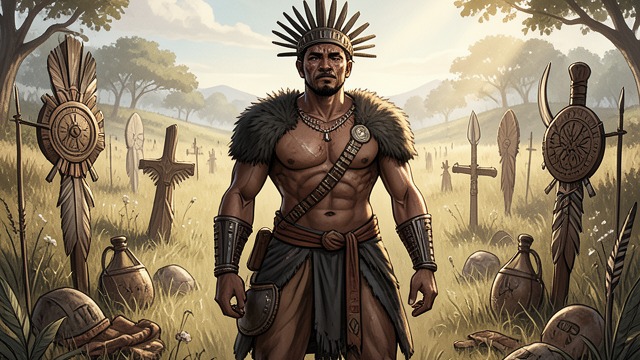
The Warrior’s Bloodline
Ancestral Stories
Lawrence describes Thobela as carrying the presence of earlier Xhosa leaders and warriors. The account interprets his physical strength and decisiveness through family and cultural history.
Heritage as Burden
The language of bloodline can make violence seem destined. The novel treats ancestry as meaningful, but leaves Thobela responsible for how he uses what he inherits.
Senzeni’s Prophecy
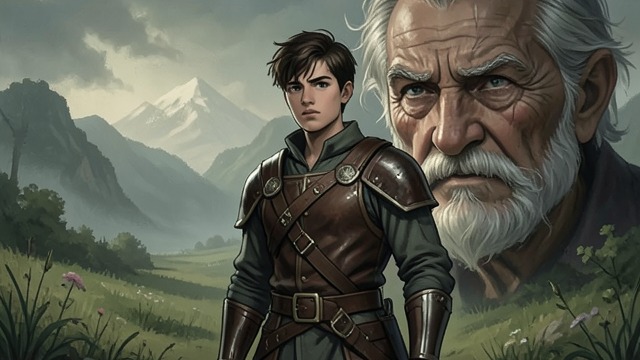
Senzeni’s Prophecy
A Warrior Recognized
Senzeni tells Thobela that he has the blood of a warrior and urges him to give it life. The words strengthen the boy’s connection to struggle and to his uncle’s vision of duty.
A Future Narrowed
The prophecy gives Thobela a powerful identity before he can fully choose it. Its influence follows him into a career in which others also decide what his abilities should serve.
The Hunter’s Name

The Hunter’s Name
Umzingeli Defined
The code name Umzingeli identifies Thobela as a hunter. The label recognizes his effectiveness while turning a person into an operational function.
Fame Without Belonging
His handlers praise his work, yet their approval cannot resolve his isolation or the shame he later feels. The hunter’s identity is powerful, but it is not the whole of him.
A Name Chosen Anew
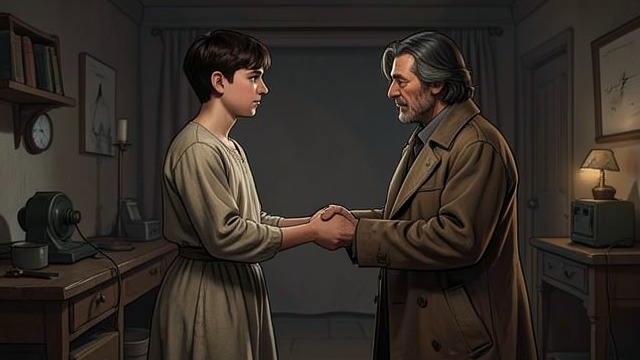
A Name Chosen Anew
Reclaiming the Given Name
Thobela tells Mentz his name rather than presenting himself as a code name or an instrument. He asks for Pakamile, making the encounter personal and direct.
Identity as Responsibility
The novel ends with him carrying his past but acting for family and home. His names no longer dictate a single role; their meanings are tested by what he chooses to do.
During Thobela’s courtship with Miriam
During Lawrence’s account of Thobela’s childhood
During Thobela’s youth, before he leaves home
During Thobela’s Paris years as an operative
At the ending, when Thobela introduces himself to Mentz
