
The State’s Duty and Its Excuses
Heart of the HunterThis thematic thread follows the conflict between protecting national security and respecting the people whom intelligence institutions claim to serve.
increasing Bearing strength in each event
 decreasing
Bearing strength in each eventdecreasingA New Service Promised

A New Service Promised
A Clean Institutional Identity
The Director wants an intelligence service without the old system’s baggage. Mentz is asked to build an organization that can serve a new democracy effectively.
A Difficult Inheritance
The service still operates among political rivalries, secrecy, and inherited structures. The promise of a clean beginning will be tested by the way it treats ordinary people.
The State Claims the Mission

The State Claims the Mission
Security as Justification
Mentz tells her team that the disk could expose an intelligence mole and that their duty is to protect the state. She argues that sympathy must not distract them from the facts.
A Boundary Blurred
The operation’s purpose becomes a reason to monitor, detain, and pressure people who have not been shown to threaten anyone. National security begins to excuse methods that the agency would otherwise question.
An Innocent Woman Detained
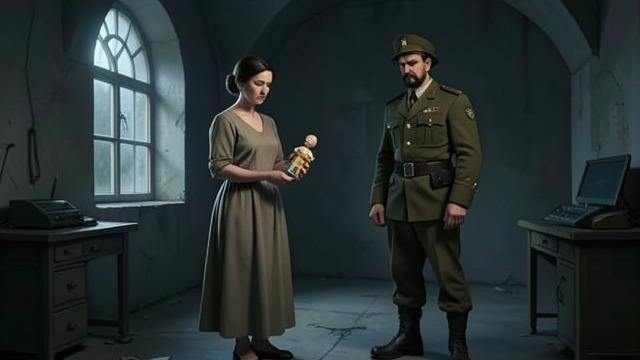
An Innocent Woman Detained
Protection Claimed
Officials hold Miriam and say they are trying to help Thobela. She recognizes that the same agency is also trying to stop him and refuses to accept its language at face value.
Rights Without Recourse
Miriam is kept from her child without a clear lawful process. The gap between declared purpose and lived experience makes the state’s claim to protect harder to believe.
The Minister Faces the Record
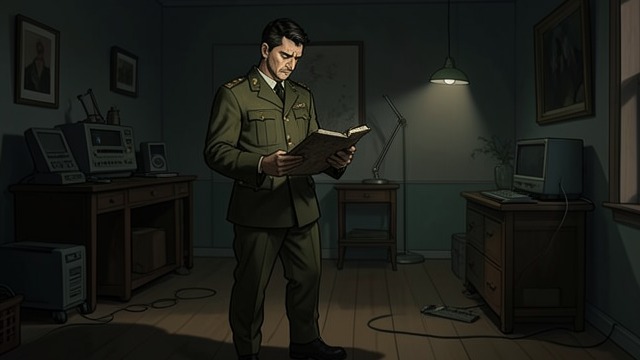
The Minister Faces the Record
Acknowledging Harm
The Minister says that civilians were drawn into an operation and that Miriam may have died in a tragedy. She promises an inquiry and care for Pakamile.
Accountability Remains Open
The admission recognizes the state’s responsibility without resolving all questions about unlawful conduct or the operation’s hidden motives. The inquiry must test whether official duty can survive public scrutiny.
A Resignation as Judgment

A Resignation as Judgment
A Public Admission
Radebe accepts responsibility for negligence and questions how the operation’s purpose could justify its means. He describes the ideals that brought him into public service.
Democracy Requires Conscience
His statement argues that service to the state is not identical to obedience. The state’s legitimacy depends on officials who can recognize when its actions betray the people it claims to protect.
Before the operation, as the new unit is established
After the disk is judged sensitive
The day Miriam is taken from Absa
Near the end, before journalists and officials
November, during Radebe’s inquiry
