
Inherited Nature and Chosen Action
Heart of the HunterThis thematic thread follows the novel’s debate over whether instinct and history determine a person or whether moral choice can redirect them.
increasing Bearing strength in each event
 decreasing
Bearing strength in each eventdecreasingA Family of Contrasts
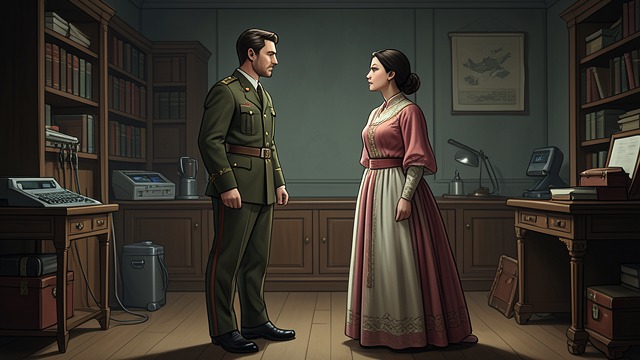
A Family of Contrasts
Peace and Combat
Lawrence represents compassion and healing, while Senzeni embodies the warrior’s response to injustice. Thobela appears to inherit elements of both men, making his character difficult to predict.
Nature as Question
The family’s differences establish the novel’s central uncertainty: whether a person’s origins determine what they will become or merely shape the choices available to them.
Training Gives Instinct a Form
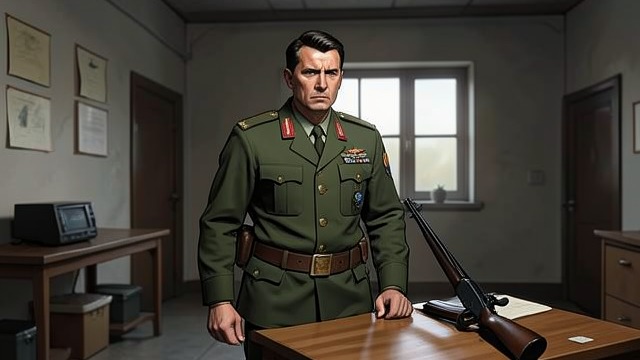
Training Gives Instinct a Form
Ability Cultivated
The intelligence services recognize Thobela’s intelligence, physical capacity, and skill with weapons. Training turns his natural aptitude into an efficient instrument for assassination.
Identity Reinforced
The praise of his handlers and the missions they assign him encourage him to see violence as his contribution. His abilities do not dictate their use, but institutions give them direction.
A Different Life Attempted
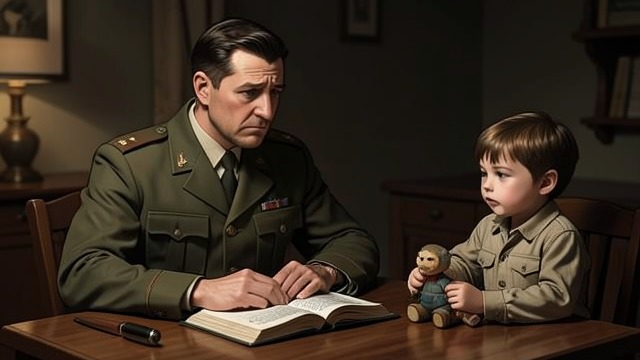
A Different Life Attempted
New Habits
Thobela works, studies, loves Miriam, and helps raise Pakamile. The ordinary practices are evidence that he is choosing a different use for his strength.
A Friend’s Doubt
Van Heerden argues that nature cannot simply be changed. Thobela rejects a view that would make past behavior an excuse for future harm.
The Old Nature Tested
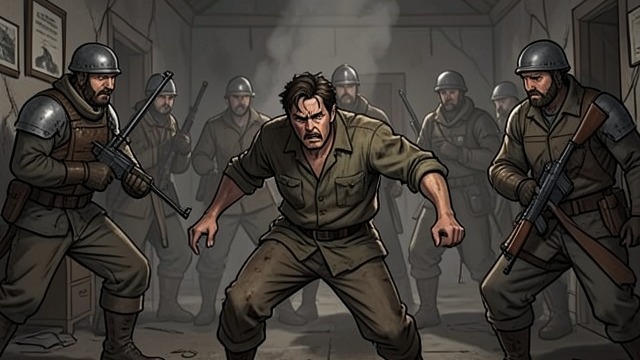
The Old Nature Tested
Reflex Under Threat
Thobela’s trained instincts return when agents and soldiers corner him. He is capable of immediate violence, even as he struggles to avoid needless deaths.
Choice After the Reflex
The killing of Little Joe forces him to distinguish an instinctive reaction from a chosen purpose. His disappointment shows that change is difficult, not that it is impossible.
Strength Put to Care

Strength Put to Care
A New Responsibility
Thobela’s final decisions center on protecting Pakamile and returning him to a place where the family may begin again. His capabilities are redirected toward care rather than service to a secret cause.
Change as Practice
The novel does not claim that his past has vanished. It suggests that a person’s nature matters less than the purpose chosen for it, repeated in consequential acts.
Thobela’s childhood, before he leaves home
During Thobela’s years of specialist training
After he leaves Orlando’s organization
During the pursuit and bridge confrontation
Near the ending, when Thobela returns to Alice
