Gaborone
Heart of the HunterGaborone is a stop in Thobela Mpayipheli’s flight across southern Africa, and its decisive significance lies in what he discovers there. Outside the Livingstone Hotel, he finds that the hard disk he has carried through the journey has been struck and its data destroyed. The city marks the difference between reaching safety and preserving the purpose of the mission.
Arrival at the Livingstone Hotel
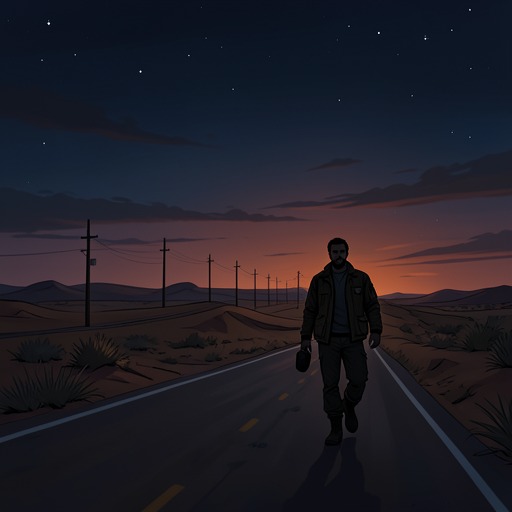
Thobela dismounts from the BMW R 1150 GS in front of the Livingstone Hotel barely able to stand. He holds on to the saddle while his balance and sight return, then notices damage to the motorcycle’s right-hand luggage case: two bullets have made neat holes in its black covering, and the sports bag containing his belongings is inside. The damage makes the danger of the journey visible at the moment he reaches Gaborone, without establishing that the shots were fired there.
He secures his belongings and goes into the hotel. The night porter is asleep; Thobela rings the bell, fills in the register, and asks whether the hotel accepts South African rand. The brief exchange places the arrival in the practical world of a traveler crossing borders: even after reaching a hotel, he must negotiate the ordinary arrangements of a stopover.
The hard disk is lost
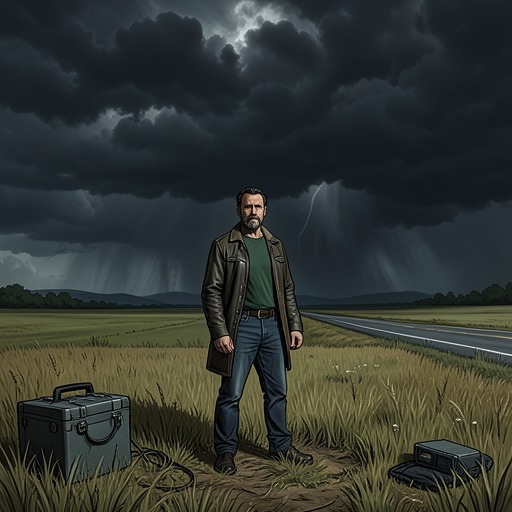
Once inside, Thobela plans to wash, tend to his wound, eat, drink, and sleep. Before resting, he empties the sports bag onto the bed to assess what has survived. The other contents, including his toiletry bag, are intact, but the hard disk has been hit through its center, where its metal, plastic, and circuitry meet. Its data is irretrievably lost.
The discovery makes Gaborone more than a place to pause. Thobela has endured pursuit and a difficult journey while carrying the disk toward Lusaka; at the hotel, he learns that the object at the center of the delivery has been rendered useless. His physical arrival therefore coincides with a decisive failure of the mission’s material purpose.
A place defined by passage and consequence
The novel gives Gaborone little descriptive treatment beyond the hotel, the damaged motorcycle case, and Thobela’s inspection of the sports bag. Its narrative weight comes instead from the sequence of arrival and recognition: he reaches the city, secures a room, and discovers the loss only after checking the contents he has protected along the way.
That contrast gives the stop its force. The hotel offers a moment of shelter and the prospect of rest, while the destroyed disk makes clear that reaching a destination cannot undo what has happened during the journey. Gaborone becomes the point at which Thobela’s survival and the failure of the delivery are registered together.