Shane’s Plateau building
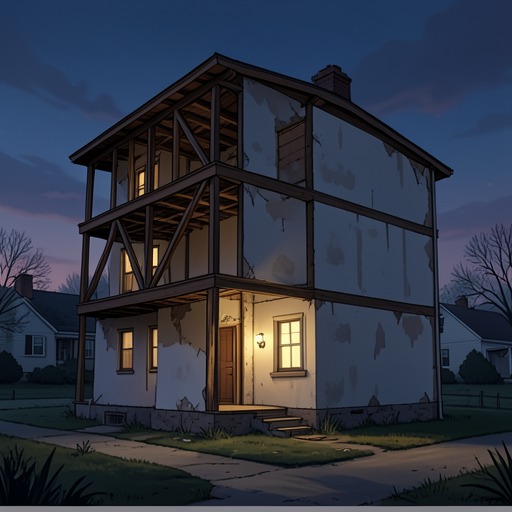
Heated RivalryShane’s Plateau building is a three-story property that Shane Hollander owns and uses as a private place to meet Ilya Rozanov. Publicly framed as an investment he intends to renovate and sell, it also gives the two men something they have not had before: a meeting place that belongs to Shane, away from hotel rooms and the attention surrounding their rivalry. Its route through a dark back entrance and its contrast between unfinished rooms and a completed bedroom make the building both a practical hiding place and a material expression of a relationship kept out of view.
Structure and Ownership
The building stands in the Plateau, where Shane can arrive without going to the Westmount penthouse that is more readily associated with his home life. He owns the top two floors; when he visits alone, he knows the other floor is unoccupied. The ground floor has a separate commercial use: it is rented to a high-end kitchenware boutique, which is closed for the night when Shane slips in through the rear entrance. The combination of private upper floors and a street-level business gives the property an ordinary public face without making its upper space public.
The third-floor condo initially appears less like a settled home than a professionally staged demonstration unit. Its furnishing is pristine and impersonal, and its purpose is tied to a proposed sale: the third-floor condo and the one below it are meant to be marketed once the renovation is complete. Shane tells himself that he will sell them soon, but he has been repeating that intention for more than three years. The gap between the planned transaction and the prolonged delay suggests that the building has acquired a use and importance that the language of investment does not fully explain.
Privacy and Access
The building’s privacy is deliberate. Shane spends only a few nights a year at the Plateau condo, choosing it when he wants to be certain of being alone. After a public appearance where reporters have drawn out a Hollander-versus-Rozanov sound bite, he drives not to his penthouse but to this concealed alternative. He parks in the small lot behind the building, enters by the back door, and climbs to the top floor. The route keeps the visit away from the more visible front of the property and lets him reach a space whose other upper units he controls.
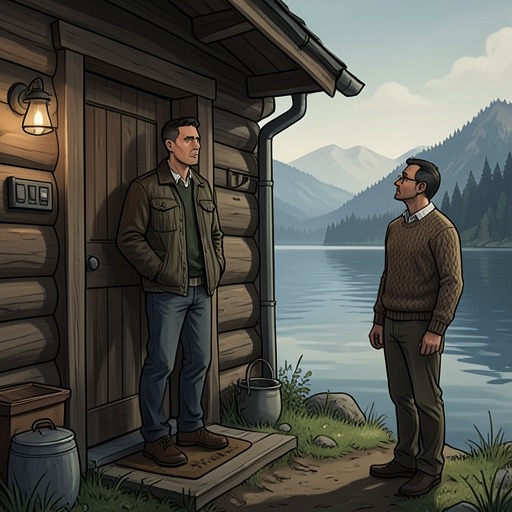
When Ilya comes to meet him, the same route feels less like a convenient entrance than an uncertain approach. A cab delivers Ilya to a building that looks abandoned; he checks the address, goes around back as instructed, and waits after texting Shane. Shane opens the door about a minute later, glancing around nervously before ushering him into the dim stairwell and locking the door behind them. Their arrival depends on a precise address, a message, and a rear-door meeting rather than an ordinary invitation into a shared home. On another occasion, Shane sends the number 1822 as a room number, likewise reducing the rendezvous to the discreet exchange of practical directions.
Renovation and Intended Use
The interior changes in appearance across the building’s appearances. In the earlier description, the third-floor condo is furnished and professionally staged, with a black leather sofa in the living area and a stainless-steel refrigerator containing only five bottles of beer. The spareness makes the condo look prepared for prospective buyers rather than inhabited. Its few personal traces do not establish it as Shane’s home; instead, the place remains poised between display and private use.
When Ilya later enters the upper floor, he finds a large loft that is only partly finished. The walls have been freshly plastered but not painted, a ladder leans against one wall, and an open box of tools sits beside it. The kitchen has new countertops and cupboards but no appliances. Shane describes the property as an investment and says he is having it renovated, with plans to sell the condos and a tenant lined up for the commercial space on the main floor. These details preserve the public logic of the project even as the unfinished interior reveals that it is not yet simply a completed property prepared for sale.
One room, however, has already been given priority. Shane leads Ilya to a fully finished bedroom and explains that he has made the bedroom and bathroom the first priorities so the two of them can use them. That choice sharply distinguishes the private purpose of the renovation from its business explanation. The rest of the loft can remain visibly in progress; the rooms needed for an intimate meeting are ready. For Ilya, the discovery that Shane owns the place and has prepared it for them turns the building from a suspicious address into a consequential gesture.
A Place for the Hidden Relationship
Before this building, the men’s meetings had taken place in hotel rooms. Ilya has never visited Shane’s home, so crossing the threshold of a property Shane owns changes the terms of their privacy: this is not borrowed space arranged for a single night, but a location Shane has made available for their encounters. Ilya recognizes the implication in the partially completed building and finished bedroom, and kisses Shane before he can finish explaining the arrangement.
The building also carries the strain of Shane’s repeated uncertainty about whether their relationship will continue. Ilya has spent the summer expecting Shane to end things; he remembers the previous summer, when Shane pushed him away after they kissed on a Las Vegas rooftop, and the later reversal when Ilya sent a hotel room number and Shane arrived twenty minutes afterward. Against that cycle of withdrawal and return, the Plateau property makes their meetings more tangible without making them public. Shane still calls it an investment and tells himself it will be sold, but its locked back door, controlled upper floors, and bedroom prepared for Ilya give the property a purpose that exceeds resale. It is a private refuge built inside the outward appearance of a business venture.