
Light, Darkness, and Inner Comfort
HeidiThis thread follows the novel’s movement between physical darkness, emotional despair, and sources of spiritual light.
increasing Bearing strength in each event
 decreasing
Bearing strength in each eventdecreasingThe Blind Grandmother
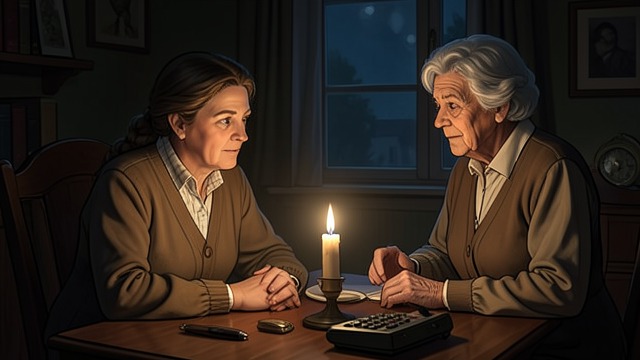
Darkness Named
A child seeks a remedy
Heidi assumes that sunlight or snow might restore the grandmother’s sight. She learns that no earthly light can do so.
Compassion begins
Her grief gives the grandmother a chance to explain that conversation can brighten an otherwise dark day.
A City Without a Horizon

Walls Replace the Mountain
An unseen outside
Heavy curtains and immovable windows prevent Heidi from finding grass, sky, or distant slopes.
Emotional confinement
The lack of a view becomes an image of the loneliness and restriction she will experience in the city.
The Picture That Hurts
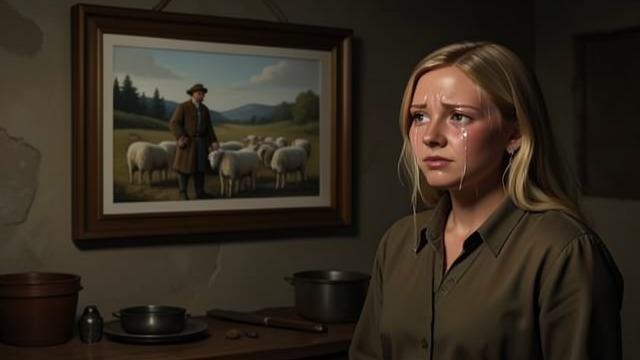
A Pasture Recalled
Recognition and tears
A picture of a shepherd and his flock recalls Heidi’s mountain home so strongly that she begins to sob.
Images carry longing
The book gives her both a path into reading and a vivid reminder of what she has lost.
Hymns in the Cottage
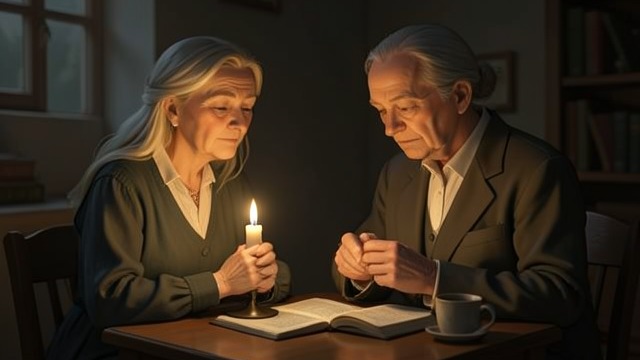
Words Bring Light
Reading aloud
Heidi reads the grandmother hymns that speak of endurance, hope, and rest. The old woman listens with folded hands.
Inner brightness
The grandmother says the verses make her heart feel light, while Heidi learns that comfort need not restore physical sight.
Stars Over the Hayloft

A Sky Above the Bed
A new view
Clara sees stars through the round window and feels as if the children are traveling toward heaven.
Reassurance shared
Heidi describes the stars as reminders that God arranges things well, giving Clara a language for trust and wonder.
Heidi’s first visit to Peter’s family hut
Heidi’s first morning in Frankfurt
after Frau Sesemann gives Heidi an illustrated book
after Heidi returns to the mountain
Clara’s first night on the Alm
