
Providence Through Reversal
HeidiThis thread traces how apparent setbacks repeatedly produce unexpected forms of good in the novel.
increasing Bearing strength in each event
 decreasing
Bearing strength in each eventdecreasingDete’s Removal
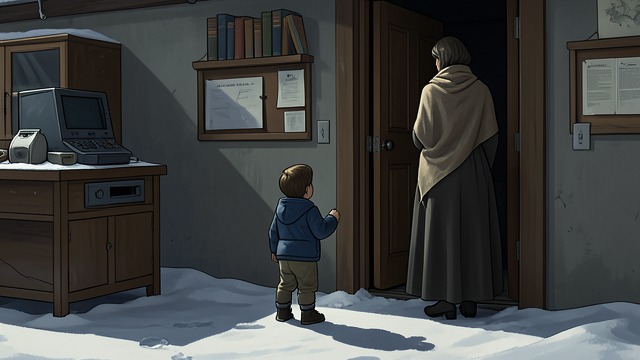
Loss Begins
A child is displaced
Dete’s decision separates Heidi from Alm-Uncle and the grandmother, causing suffering for all three.
Consequences remain open
The story initially presents the departure as a rupture rather than a benefit.
The Painful Delay

A Prayer Seems Unanswered
Homesickness deepens
Heidi asks to return but must remain in Frankfurt, and she wrongly believes that God has ignored her.
Hidden gains accumulate
During the delay she learns to read, forms a lasting friendship, and gathers help for those at home.
The Chair Breaks

An Intended Harm
A destructive act
Peter smashes Clara’s chair because he hopes to end her stay and recover Heidi’s attention.
A different outcome begins
Without the chair, Clara attempts to stand and discovers the possibility of walking.
The Doctor Finds Purpose

Grief Meets Companionship
A sorrowful journey
The doctor arrives after his daughter’s death, expecting no simple cure for his loss.
Comfort grows
Heidi’s welcome, the mountain air, and familiar hymns renew his connection to life without erasing grief.
A Wider Circle of Care

Good Extends Beyond One Person
Needs answered
Clara recovers, the grandmother receives a bed, and Alm-Uncle gains both friends and security for Heidi.
Meaning gathered
Characters interpret these changes as evidence that painful events can lead to benefits they could not foresee.
the spring Heidi is taken to Frankfurt
Heidi’s months in Frankfurt
the day Clara and Heidi plan to visit the flowers
September, during his visit to the Alm
near the end of the story
