
The Inner Watchman
HeidiThis thread traces guilt as an inward force that brings Peter from concealment toward acknowledgment and moral change.
increasing Bearing strength in each event
 decreasing
Bearing strength in each eventdecreasingWrongdoing Hidden
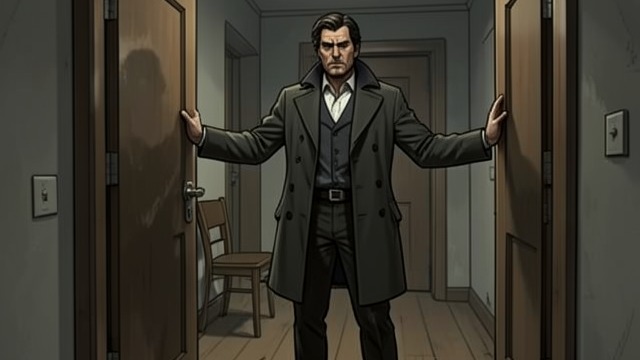
A Secret Kept
A deliberate act
Peter breaks Clara’s chair, then hides rather than admitting what he has done.
The inner conflict begins
The outward secret creates a private fear that no one has yet imposed on him.
Guilt Interrupts Pleasure

Enjoyment Becomes Uneasy
A meal shared
Peter receives food and helps the girls, but the knowledge of his conduct makes the pleasure difficult to accept.
Conscience persists
His hidden act continues to shape his feelings even while the day appears joyful.
The Imagined Policeman

Fear Takes an Image
A stranger mistaken
Peter sees Herr Sesemann and assumes the police have come to arrest him for the chair.
Flight follows
He runs and tumbles down the slope, showing how guilt magnifies an ordinary encounter into a threat.
The Watchman Explained

A Moral Lesson
Frau Sesemann describes guilt
She compares conscience to a sleeping watchman who wakes after wrongdoing and warns that discovery is coming.
Peter recognizes himself
He nods because her account precisely names the fear he has carried.
Truth and Release
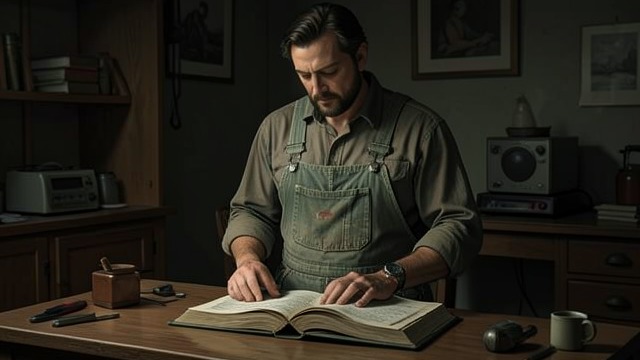
A Better Habit Begins
The loss admitted
Peter also tells Frau Sesemann that he lost the telegram rather than concealing another mistake.
A rule learned
She praises his honesty and forgives him, turning the inner watchman’s warning into a principle for future conduct.
the morning Peter pushes the chair
the day Clara begins walking
the day the telegram is lost
after Peter’s confession at the Alm
the end of Peter’s confession
