
Falstaff's Fall from Favor
Henry IV, Part 2This thread traces how Falstaff's comic confidence and claims of military worth give way to exclusion from the royal household.
increasing Bearing strength in each event
 decreasing
Bearing strength in each eventdecreasingA Reputation for Wit
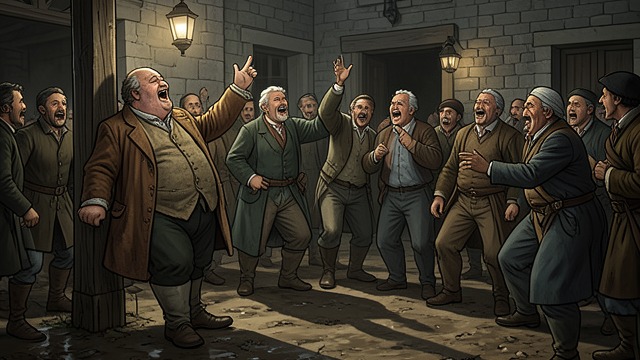
The Comic Captain
Self-Presentation
Falstaff treats mockery as proof of his wit and turns his size, age, debts, and sickness into material for jokes. He can redirect criticism before it becomes a judgment of his character.
The Limits of Comedy
The Lord Chief-Justice sees through this performance and reminds him of his robbery and obligations. Falstaff remains socially entertaining, but the law does not mistake his humor for innocence.
Military Credit Claimed
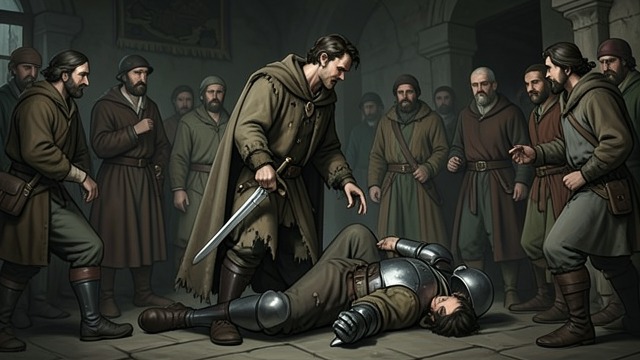
Valour Rewritten
The Captured Knight
Falstaff takes Colevile after the immediate fighting is over and presents the surrender as a personal victory. He asks that his deed be recorded and threatens to make his own ballad.
A Doubtful Achievement
John of Lancaster points out that Colevile surrendered from courtesy rather than because Falstaff overcame him. Falstaff's public image continues to depend on telling a more flattering story than the event supports.
A Future Imagined
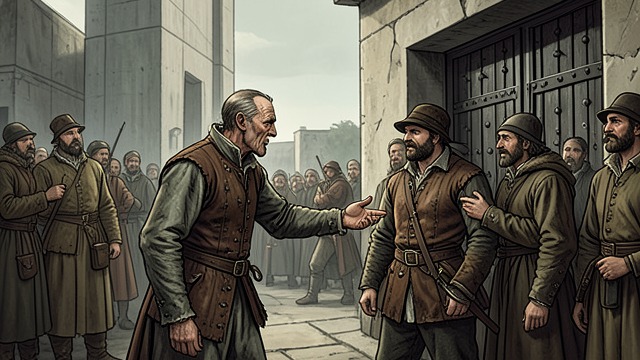
Advancement Expected
The New King
Falstaff hears that Prince Henry has succeeded and assumes the new king will reward old companions. He promises offices to Shallow and dignities to Pistol.
Presumption Exposed
His certainty depends on the idea that private intimacy will govern public appointments. The coming coronation will test whether the king understands their bond in the same way.
The Public Banishment
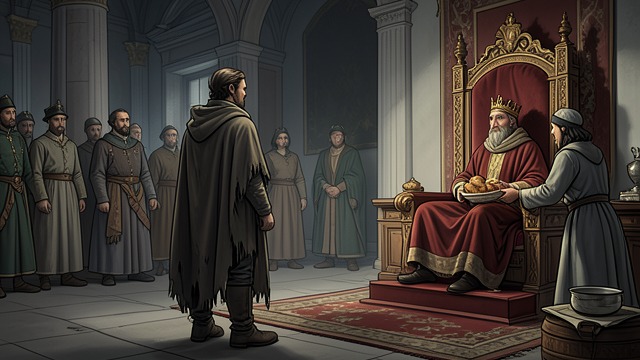
A Name Rejected
The King's Rebuke
Falstaff greets the newly crowned king with familiar affection, but the king says he does not know him. He orders Falstaff and the former companions away from the royal presence.
Provision Without Favor
The king allows them a means of life while refusing political access. Falstaff's fortunes fall not into immediate destitution but into a more painful distance from the power he thought he could claim.
Carried to the Fleet
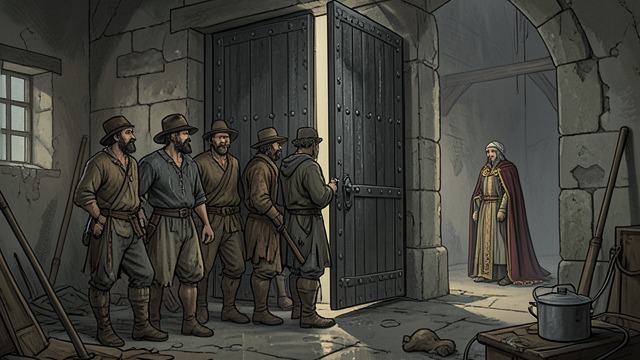
The Court Enforces Distance
An Arrest Order
The Lord Chief-Justice orders Falstaff and his company taken to the Fleet. Falstaff has no opportunity to turn his rebuke into the private reconciliation he expects.
The Old Circle Ends
The king's banishment becomes an enforced separation from the world that sustained Falstaff. His fate remains open to later change, but his former access to the prince is finished for now.
In London after the Shrewsbury campaign
On the campaign trail after recruiting in Gloucestershire
After Pistol reports the king's death at Shallow's house
At the coronation procession in Westminster
Immediately after the coronation encounter
