
The Tension Between Peace and Power
Henry IV, Part 2This thread traces the play's shifting idea of peace, from royal hopes and rebel arguments to a settlement secured through force and exclusion.
increasing Bearing strength in each event
 decreasing
Bearing strength in each eventdecreasingThe King's Hope
Peace Beyond Civil War
A Desired End
King Henry IV hopes that the domestic rebellion will be brought under control so he can turn his attention to the Holy Land. His vision of peace is bound to a future campaign elsewhere.
Peace With Conditions
The wish reveals how rulers often imagine peace as an interval that allows different kinds of action. The kingdom must first survive its own conflict before the king can pursue his broader purpose.
The Archbishop's Peace
Peace Claimed by Arms
A Reforming Purpose
The Archbishop says he has taken up arms to purge political disease and establish a real peace. He presents conflict as a means of repairing a damaged commonwealth.
The Contradiction Exposed
Westmoreland questions how a churchman can translate peaceful learning into the language of war. Their exchange makes peace a contested goal rather than a simple absence of fighting.
Peace at Gaultree
A Settlement Celebrated
Words of Amity
John of Lancaster promises redress, and the leaders agree to disband their forces. Both sides publicly present the encounter as a restoration of love and peace.
Trust Under Pressure
The agreement asks the rebels to surrender the military strength that brought them to the table. Its emotional language obscures how unequal the parties remain once the troops disperse.
The Arrests After Peace
A Peace Reversed
Leaders Seized
Westmoreland arrests the rebel leaders after their followers have gone. Their protests reveal that the announced peace has not created shared confidence.
Order Through Coercion
The royal force ends the uprising, but it does so by taking advantage of the rebels' trust. Peace is secured as a political outcome, while the moral character of its means remains unsettled.
Banishment as Royal Peace
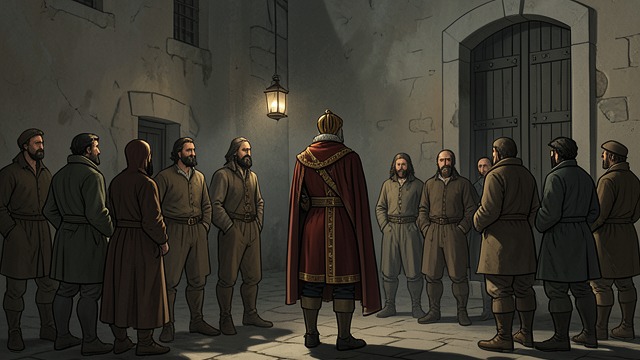
The Court's Boundary
Former Companions Removed
The new king banishes Falstaff and his circle from his presence but promises that they will not be left without means. He seeks an orderly court by separating himself from his past.
Peace and Exclusion
The act prevents private familiarity from dictating royal policy, yet it imposes a personal cost on those excluded. The new reign's peace depends in part on drawing firm boundaries around power.
During the night council before news of the final defeat
During his first meeting with Westmoreland
During Lancaster's agreement with the rebels
Immediately after the rebel army disperses
At the coronation's end
