Gaultree Forest
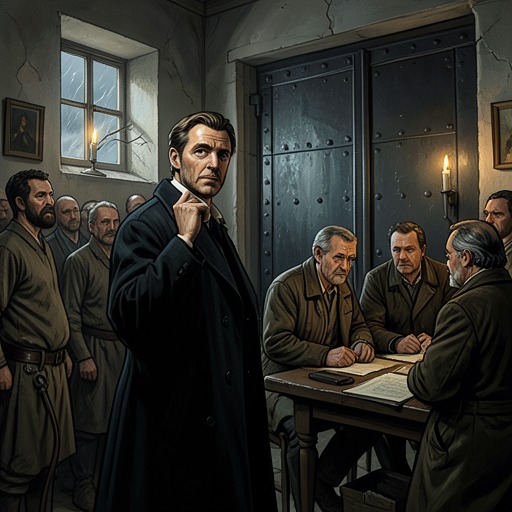
Henry IV, Part 2Gaultree Forest is a Yorkshire setting where the play turns a rebel gathering into a decisive political encounter. The Archbishop of York sends scouts to learn the strength of the opposing forces; negotiations then promise redress for the rebels’ grievances and prompt them to disperse. As the men hurry home, Westmoreland arrests Hastings for high treason. The forest’s significance lies in this reversal: the rebels’ confidence in a settlement leaves them exposed to royal authority.
Setting and Approach
The play identifies Gaultree Forest as a place in Yorkshire and opens the scene there with the Archbishop of York, Mowbray, Hastings, and other supporters assembled. The Archbishop orders scouts to discover the numbers of their enemies, making the forest a site of military assessment as well as political deliberation. The action establishes the rebels as a gathered force, but the question of their strength is immediately joined to the question of whether their cause can survive negotiation.
Negotiation and Dispersal
The confrontation turns on the rebels’ grievances and the prospect of redress. A royal assurance promises that those grievances will be addressed promptly and urges the leaders to discharge their forces to their respective counties. At Gaultree, then, the prospect of a peaceful settlement is not separate from military pressure: disbanding the force is the practical consequence requested of the rebels, and the promise of redress supplies its justification.
The debate also looks beyond the immediate gathering to the possible duration of the quarrel. Hastings speaks of heirs continuing it through future generations, while John of Lancaster dismisses his understanding of what lies ahead as shallow. That exchange gives the forest scene a longer political horizon: the question is not only what the assembled men will do, but whether their conflict will reproduce itself over time.
Arrest and Narrative Significance
As the rebels disperse, Westmoreland announces the arrest of Hastings for high treason. The shift is abrupt: the men who had assembled to consider their prospects are now hurrying toward home, and the language of redress is followed by an act of royal custody. Gaultree Forest thus marks the collapse of the rebels’ immediate collective position, with Hastings singled out as the scene’s explicit captive.
The sequence makes the location more than a geographical label. Its scouts, deliberation, promised settlement, dispersal, and arrest arrange a political reversal in a single place. Gaultree is associated with the suppression of the rebellion not through a battle shown in these events, but through the transition from organized resistance to vulnerability before the king’s officers.