Hastings
Henry IV, Part 2Hastings is a lord among the Archbishop of York’s allies who helps assess the rebellion’s prospects and questions the authority of the royal response. He first presents the faction as militarily formidable, citing twenty-five thousand men and further supplies; later, Westmoreland arrests him for high treason. The contrast makes his role a measure of the rebels’ confidence—and of how quickly that confidence is overtaken by events.
Identity and Faction
Hastings appears as one of the lords gathered with the Archbishop of York, Mowbray, and Bardolph to discuss the faction’s cause, resources, and hopes. The Archbishop invites the group to give their opinions plainly, placing Hastings within a council that must weigh whether its opposition to the king can succeed. The evidence presents him as a participant in this political and military deliberation, rather than supplying a personal history or a fuller account of his motives.
Military Assessment
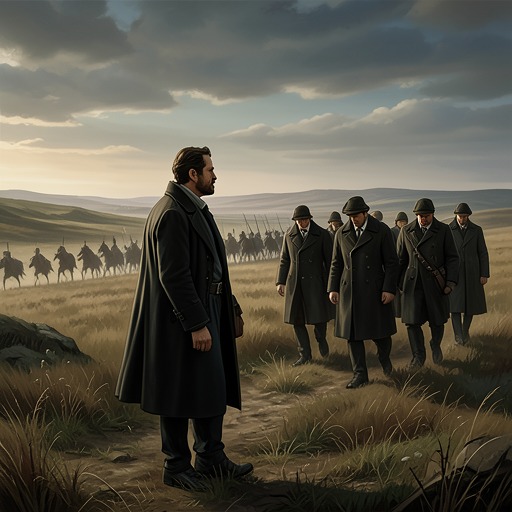
Hastings reports that the rebels’ musters have grown to twenty-five thousand men, describing the force as a substantial body of chosen soldiers. His estimate gives the gathering a concrete measure of its strength and helps explain why the lords can contemplate challenging the king’s power. Yet his confidence is not based on the musters alone: he also says that, even if those present fall, they have further supplies to support their attempt. The reserve force turns his assessment from a count of current strength into an argument that the rebellion can continue beyond an initial defeat.
Questions of Authority
In a later exchange, Hastings asks whether John of Lancaster has a full commission from his father. The question brings the scope of the prince’s authority into the rebels’ discussion: their contest is not only about military numbers, but also about the authority under which the king’s side acts. The surviving passage records the question, not Hastings’s further reasoning or the answer, so it establishes the issue he raises without showing how he resolves it.
Arrest and Narrative Role
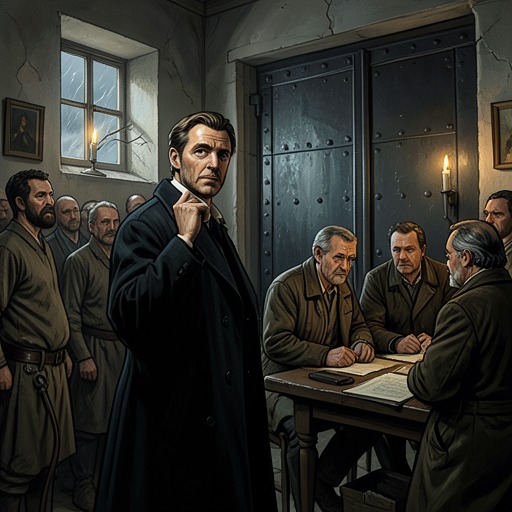
Westmoreland arrests Hastings for high treason, addressing him as a traitor while also arresting the Archbishop of York and Mowbray on a separate charge of capital treason. The difference in the stated charges distinguishes Hastings’s accusation from those levelled at his companions. His arrest sharply reverses the earlier council’s confident tally of men and promised supplies: the faction that had been planning how to sustain its attempt is now being taken into custody. The evidence does not specify Hastings’s subsequent fate, leaving the arrest as the decisive endpoint of his documented role.