Humphrey of Gloucester
Henry IV, Part 2Humphrey of Gloucester is a prince and son of King Henry IV whose limited appearances connect the royal family’s political business with the king’s final illness. He is identified through his place among the princes, his relationship to Prince Henry, and his presence at the bedside when the king falters.
Identity and Family
Humphrey enters the action among the princes attending King Henry IV at Westminster. The king addresses him as his son and asks where his brother, Prince Henry, is, establishing Humphrey’s place within the royal family and showing that he is close enough to the king to be questioned directly about the heir’s whereabouts.
At the King’s Side
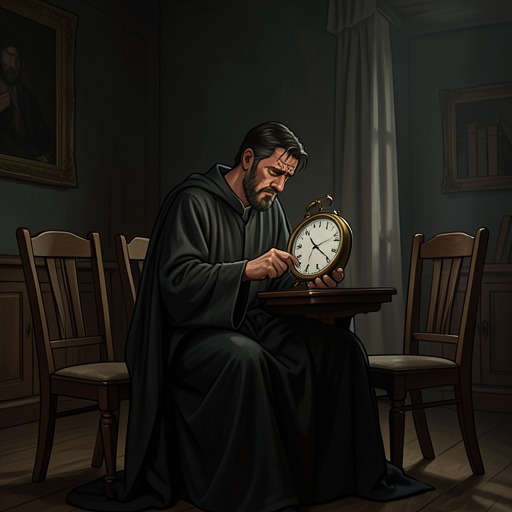
As King Henry IV’s condition worsens, Humphrey is among the people attending him. When the king says that his sight is failing and his head is giddy, Humphrey answers with an attempt at comfort. The brief exchange gives him a practical role in the crisis: he responds to the king’s visible distress rather than speaking about the causes of the political disorder.
Humphrey is also present in the chamber when the king lies on a bed with family members and other attendants around him. His place in that gathering links him to the private scene of royal decline, where the monarch’s vulnerable body is surrounded by those who must reckon with the continuity of rule.
The Crown and Succession
The play’s treatment of the crown sharpens the significance of Humphrey’s presence near his father. Before the king’s final collapse, King Henry IV reflects on the sleepless burden of kingship; later, Prince Henry finds the crown on his father’s pillow and regards it as a troublesome bedfellow. Humphrey’s evidence does not give him a speech in these reflections, but his attendance places him within the family and court that witness the transfer of authority.
After Prince Henry is crowned, the new king announces a break with the forms and officers of the previous reign. King Henry IV, near death, asks God to forgive how he came by the crown and to grant peace to the kingdom under it. These moments frame the succession as both a change of ruler and a reckoning with the troubled history of the crown. Humphrey remains a member of the royal circle around that transition, although the play assigns the decisive action to his brother.
Dramatic Role
Humphrey is drawn economically: the evidence establishes his rank, his filial relationship, and his presence at a decisive family crisis, but gives him no independent political objective or developed personal arc. His brief reassurance to King Henry IV makes his function concrete, while his attendance at the bedside places him among those who witness the distinction between a king’s failing body and the office that passes to Prince Henry.