Lady Percy
Henry IV, Part 2Lady Percy is Harry Percy’s widow and a voice of grief and political caution within the Earl of Northumberland’s family. After Harry Percy’s death at Shrewsbury, she defends the singular honor he had earned and urges her father not to risk another war without first seeing how the conflict develops. Her counsel makes private bereavement part of the play’s larger struggle over loyalty, honor, and rebellion.
Identity and Family
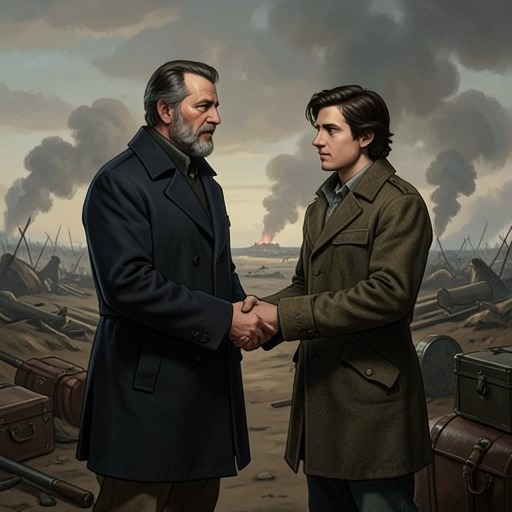
Lady Percy is identified through her marriage to Harry Percy and her address to her father. The play’s reports establish the loss that shapes her part: Rumour announces that King Henry IV has defeated Harry Percy and his troops at Shrewsbury, while Morton recalls fleeing the battlefield, where death appeared in its most frightening aspect. Lady Percy’s later appeal invokes Harry Percy as a dead man whose reputation remains a force among the living.
The family’s political history is set against a volatile recent past. Warwick recalls that less than ten years earlier Richard II and the Earl of Northumberland were great friends, a reminder that alliances and loyalties have changed quickly. That history gives context to Lady Percy’s refusal to treat another commitment to war as simple or inevitable.
Grief and Harry Percy’s Honor
Lady Percy distinguishes between the honor lost by her father and the honor her husband had won. Harry Percy’s reputation, she says, shone like the sun in the grey vault of heaven, and England’s chivalry moved by its light. The image turns his fame into something public and sustaining: although he is dead, the standard he set still measures the conduct of those who survive him.
She therefore asks her father not to value his own honor more carefully with others than he had valued Harry Percy’s. Her plea that he not wrong her husband’s ghost is both an expression of grief and a rebuke. To her, honoring the dead requires more than remembering his renown; it requires her father to consider what his next actions will make of that legacy.
Counsel on War and Rebellion
Lady Percy begs her father not to go to war, but her advice is not an unconditional rejection of political action. She proposes that he wait until the nobles and armed commons have tested their strength. If they gain ground and advantage over the king, he can then join them. Her plan makes timing and evidence central: she urges delay until the balance of power is clearer, rather than asking her father to commit himself blindly.
The later report that the Earl of Northumberland and Lord Bardolph, leading a substantial English and Scottish force, are defeated by the sheriff of Yorkshire gives this caution a grim political frame. The report does not establish Lady Percy’s presence in those events or make her responsible for their outcome. It does show the danger surrounding the course of rebellion that she had urged her father to assess before joining.
Narrative Role
Lady Percy’s intervention connects the public language of honor to the intimate consequences of political choice. Harry Percy’s death is announced through competing forms of report: Rumour declares the victory, and Morton speaks as a frightened survivor. Against that martial news, Lady Percy gives the loss a family voice and insists that the dead man’s honor should shape the living family’s decisions.
Her counsel also complicates a simple opposition between loyalty and rebellion. She neither dismisses her father’s claim to honor nor urges immediate participation in the rebels’ cause; she asks him to wait, watch, and act only if the rebels gain the advantage. In a play where past alliances have already shifted, her conditional advice makes prudence itself a response to political uncertainty.