Northumberland and Harry Percy (Hotspur)
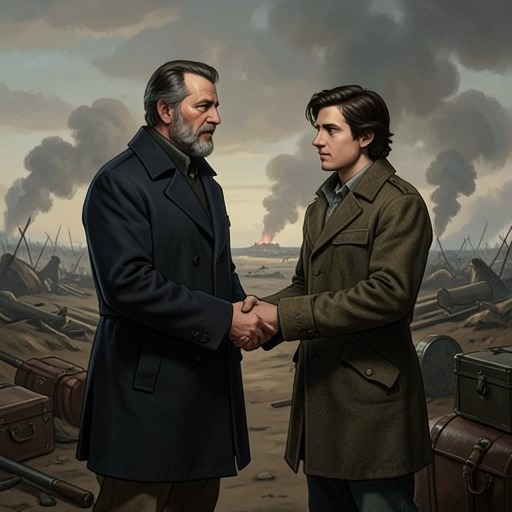
Henry IV, Part 2The relationship between the Earl of Northumberland and Harry Percy is a father-son bond caught between political conflict and private loss. Its decisive turn comes when the Earl asks for news of his son and learns that Harry has died after fighting Prince Henry. The report makes the rebellion’s cost immediate: the Earl’s concern becomes bereavement, while the play’s later family scene shows grief continuing through Harry’s widow and her father-in-law.
Identity and the First News
The Earl’s first question is direct and familial: he asks how his son and brother are. His attention to both relatives places Harry’s fate within a wider family concern, but the messenger’s trembling and pale cheek make clear that the answer will be dreadful. Before the news is spoken, the Earl reads the messenger’s face as more revealing than his words. The scene makes the bond visible through anxious expectation: Harry is not merely a participant in the conflict but the son whose safety the Earl urgently needs to know.
The report initially separates what can be spared from what cannot. Morton says that Douglas is alive and that the Earl’s brother is alive, then breaks off before delivering the news about Harry. The pause gives the family’s survival a painful imbalance: two relatives remain, but the son’s fate is the fact the messenger cannot easily say. The Earl has already anticipated the shape of the answer, imagining the report that brother, son, and all are dead; Morton corrects part of that fear, but not its most consequential part.
Harry’s Death and the Earl’s Response
Morton explains that he saw Harry in the fighting against Prince Henry, exhausted and offering only a failing resistance as Prince Henry’s force prevailed. He presents the report as eyewitness testimony, stressing that he wishes he had not seen what he must now make the Earl believe. The account links the father’s loss to the son’s final encounter with the prince: Harry’s death arrives not as an abstract rumor but through a witness who saw him at the moment he was being overcome.
The Earl answers that he will have enough time to mourn. His response registers grief without allowing it to stop the political and military movement around him. He follows with the paradox that poison may contain physic, treating the news as something that might also yield a remedy. The words do not undo the loss or establish that mourning is brief; instead, they place personal bereavement beside the possibility of action. The father has to receive the death as both an intimate catastrophe and news with consequences beyond the household.
Family Grief Beyond the Battlefield
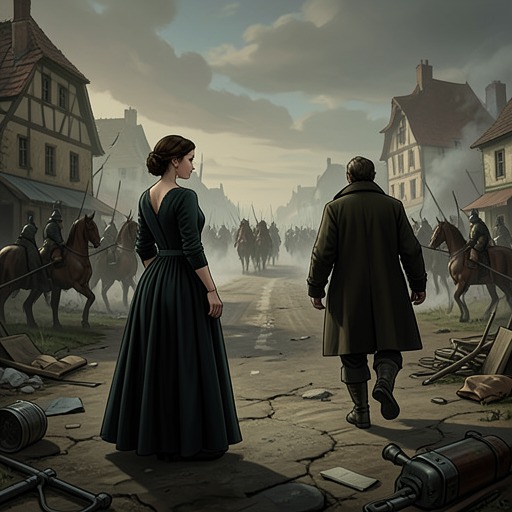
The later exchange involving Lady Percy returns the relationship to its domestic cost. Harry tells his wife that his honor is pledged and that only his going can redeem it; she begs him not to go to war. Her appeal makes the claims of family life audible beside the demands of honor that draw him away. The available scene presents that conflict through the wife’s plea and Harry’s stated obligation, rather than through a direct exchange between father and son.
After Harry’s death, Lady Percy speaks of the conversation she might have had with her husband, and the Earl answers by calling her daughter and saying that she draws his spirits from him. His words establish affection between the Earl and his widowed daughter-in-law, while extending the grief generated by Harry’s death into the next family relationship. Their exchange does not erase the loss; it gives the bereavement a shared, intimate aftermath. Across these scenes, the father-son bond is defined by anxious waiting, a devastating report, and the sorrow that remains among the family after the fighting.