
The Archbishop and Lancaster
Henry IV, Part 2This thread traces the Archbishop of York's attempt to negotiate with Lancaster and the decisive reversal that follows the apparent peace.
increasing Bearing strength in each event
 decreasing
Bearing strength in each eventdecreasingA Political Appeal
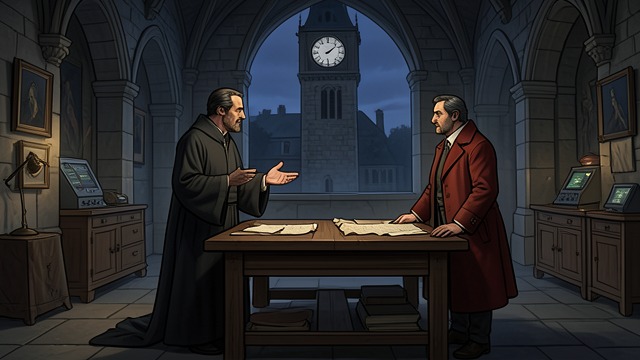
The Archbishop's Position
A Religious Leader in Arms
The Archbishop of York must explain why a churchman has entered a military conflict. He presents the rising as an attempt to correct a diseased political order rather than destroy peace.
Lancaster's Challenge
John of Lancaster questions the use of religious authority in rebellion. Their encounter makes the conflict about who may speak for justice as well as who commands the army.
The Grievance Schedule
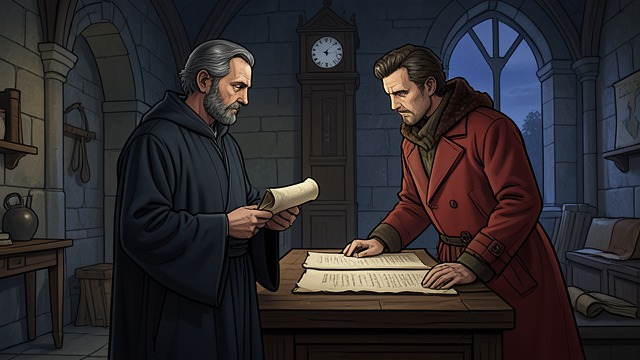
A Written Demand
The Articles Offered
The Archbishop submits a schedule that sets out his faction's grievances and the terms on which it will return to obedience. A written document gives the negotiation a concrete political shape.
A Conditional Peace
He makes clear that the rebels expect redress before disbanding. The conditions turn Lancaster's response into a test of whether the royal side is negotiating in good faith.
The Promise of Redress
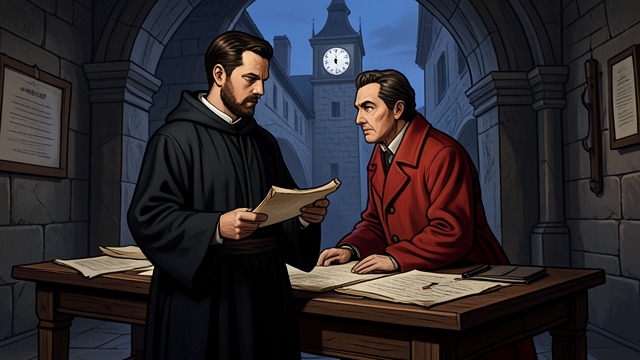
Trust Given
The Prince's Assurance
John of Lancaster says that he approves the articles and promises that the grievances will be addressed. His language persuades the leaders that their terms have been accepted.
Confidence Before Proof
The rebels accept his word and agree to disband their army. Because the assurance is not yet tested by implementation, trust itself becomes their chief vulnerability.
The Leaders Arrested
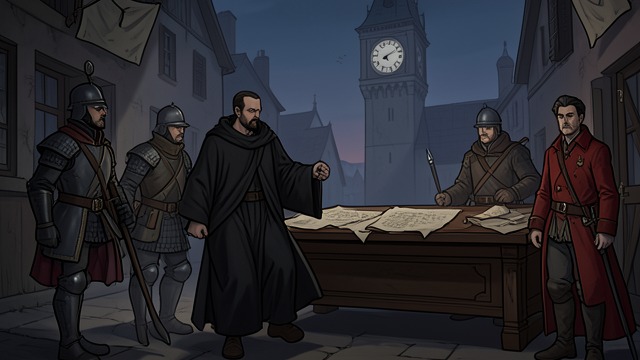
The Terms Reversed
Arrest and Accusation
Westmoreland arrests the Archbishop, Mowbray, and Hastings after their followers have left. Lancaster distinguishes his promise of redress from any promise to pardon rebellion.
A Ruptured Agreement
The leaders protest that the settlement has been betrayed. Lancaster's distinction may preserve a narrow claim of verbal consistency, but it destroys their practical trust in royal negotiation.
The Rising Suppressed
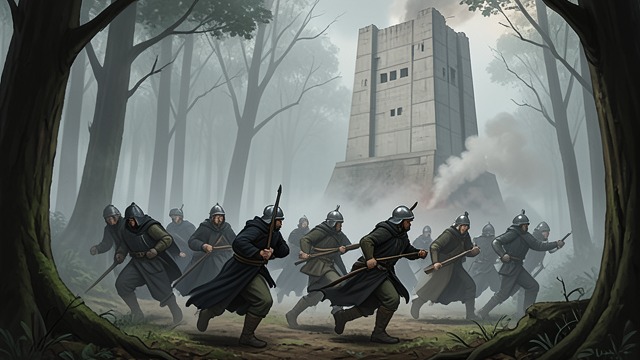
Rebellion Contained
The Royal Advantage
The opposing force is pursued and the captured leaders are sent away under guard. The crown ends the immediate threat without risking a full battle at Gaultree.
Peace Through Power
The episode presents peace as a result of military advantage and strategic deception, not mutual reconciliation. The faction's suppression secures the king's position while leaving the ethics of the method unsettled.
At the opening of the Gaultree Forest encounter
During the exchange of terms at Gaultree Forest
As Lancaster answers the rebel leaders
After the rebel forces begin dispersing
Immediately after the Gaultree arrests
