
The Archbishop's Political End
Henry IV, Part 2This thread follows the Archbishop of York's transformation from trusted churchman to rebel leader and captured prisoner.
increasing Bearing strength in each event
 decreasing
Bearing strength in each eventdecreasingA Revered Prelate

Authority Recast
Religious Standing
The Archbishop's learning and public position give his political appeal a special force. His followers can understand his rising as more than a private quarrel.
A Dangerous Transition
Westmoreland argues that the Archbishop is turning books, ink, and sacred speech toward military conflict. The Archbishop must defend why a figure associated with peace has taken up arms.
A Justification for Arms
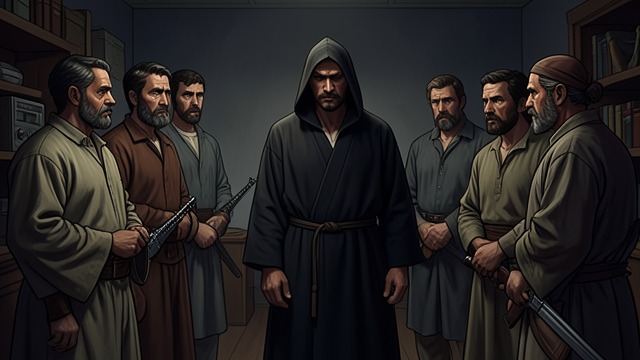
The Archbishop Answers
A Diseased Commonwealth
The Archbishop describes the state as sick and claims that rebellion may purge its political obstruction. He says that his grievances concern wrongs that the king has failed to hear.
The Case Remains Contested
His appeal combines a reforming purpose with an armed threat. Even if his complaints are genuine, his military choice exposes him to the charge of exploiting his religious authority.
Trusting Lancaster
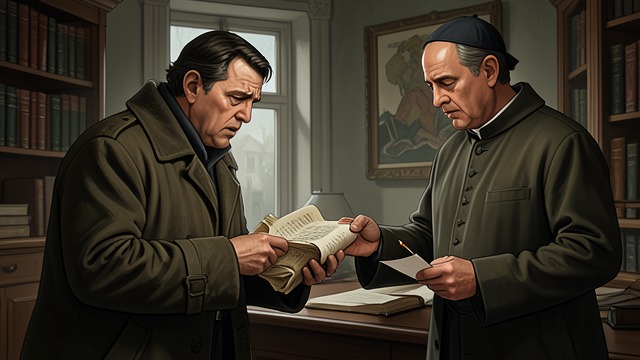
Hope for Redress
The Articles Presented
The Archbishop gives Lancaster the faction's written grievances and agrees that his followers will return to peace if their demands are met.
Confidence in the Promise
He accepts the prince's assurance that the articles will be redressed. The decision reflects his hope that the rebellion can achieve reform through negotiation, but leaves him exposed when the armies separate.
Arrested After the Parley

A Reversal of Safety
Taken Into Custody
Westmoreland arrests the Archbishop after his followers have begun returning home. The Archbishop protests that the royal side has broken faith.
Political Authority Lost
His ecclesiastical stature cannot protect him from the consequences of rebellion. The arrest ends his ability to lead the rising and exposes the weakness of a settlement unsupported by mutual trust.
The Rebellion Suppressed
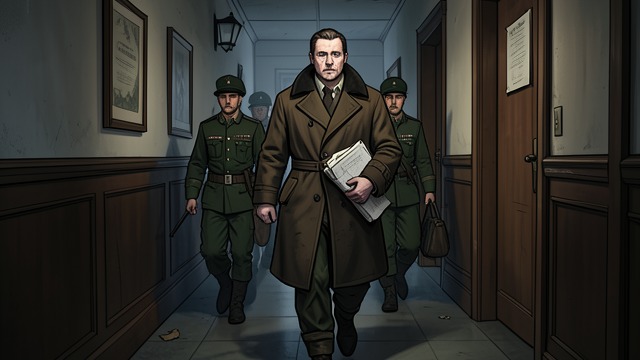
A Leader Removed
The Royal Order
Lancaster directs that the captured leaders be sent away for execution. The Archbishop's cause is treated as treason rather than as an ongoing negotiation.
A Costly Peace
The rising is suppressed and the king's authority restored in the immediate crisis. The Archbishop's end shows how reforming arguments can lose all force once their leaders have relied on arms and then trusted their opponents' word.
Before the Gaultree campaign
During Westmoreland's challenge at Gaultree Forest
At the negotiation between the armies
As the rebel troops disperse at Gaultree Forest
After the Gaultree arrests
