
The Chief-Justice's Vindication
Henry IV, Part 2This thread traces the Chief-Justice's defense of legal authority and the new king's decision to preserve his independence.
increasing Bearing strength in each event
 decreasing
Bearing strength in each eventdecreasingA Judge's Earlier Decision

Law Above Rank
Commitment to Office
The Lord Chief-Justice once committed Prince Henry after the prince struck him in court. He acted as the representative of the king's authority and the law.
A Personal Risk
The prince's rank made the decision dangerous, since a future monarch might treat lawful restraint as an insult. The judge's later security depends on whether the successor can separate justice from resentment.
Confronting Falstaff
Justice in Practice
A Public Warning
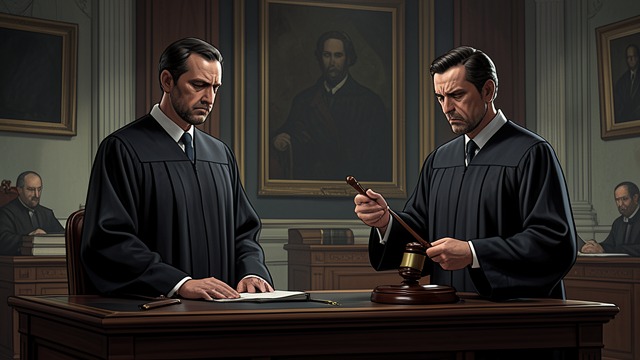
The Lord Chief-Justice confronts Falstaff over disorder and unpaid debt. He refuses to let military service erase the consequences of the knight's conduct.
Authority Applied Consistently
Falstaff attempts to evade the issue with jokes and requests for favors. The Chief-Justice insists that the law must address the person before him rather than the reputation he claims.
Waiting Under a New King
A Judge's Uncertainty
Fear of the Past
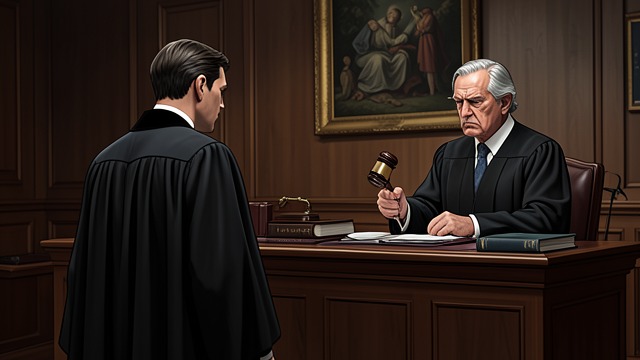
The Lord Chief-Justice expects the new monarch may dislike him for having imprisoned the prince. He says he is prepared to face whatever the times bring.
A Question of Continuity
The succession tests whether the state will keep an officer who enforced the law against a prince. The judge's personal safety becomes a measure of the new king's political character.
The Judge's Defense
A Case for Impartiality
The King's Power Reconsidered
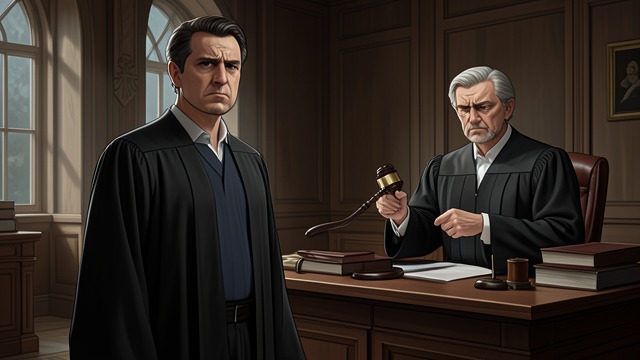
The Lord Chief-Justice explains that he acted in the king's place and protected the authority of the court. He asks the monarch to imagine his own son violating the law.
Justice as a Standard
His reasoning makes the new king confront the principle that royal status cannot exempt a prince from lawful restraint. The judge's defense transforms a remembered slight into an argument about government.
The Sword Entrusted

Authority Confirmed
Office Renewed
The king declares the Chief-Justice right and asks him to retain the sword of justice. Rather than punish the man who once punished him, he makes that action evidence of the judge's integrity.
A Future Promise
The king hopes that a future son will also be subject to the law. The Chief-Justice's vindication supports a political ideal in which the ruler accepts limits on his own household.
Before the events of the play
In London before the new campaign
Immediately after King Henry IV's death
At the first meeting of the new king and his council
At the conclusion of the new king's first council
