
The Archbishop's Failed Settlement
Henry IV, Part 2This thread follows the Archbishop of York's attempt to frame rebellion as reform and the crown's use of negotiation to end it.
increasing Bearing strength in each event
 decreasing
Bearing strength in each eventdecreasingA Case for War
Making Rebellion Respectable
The Archbishop's Argument
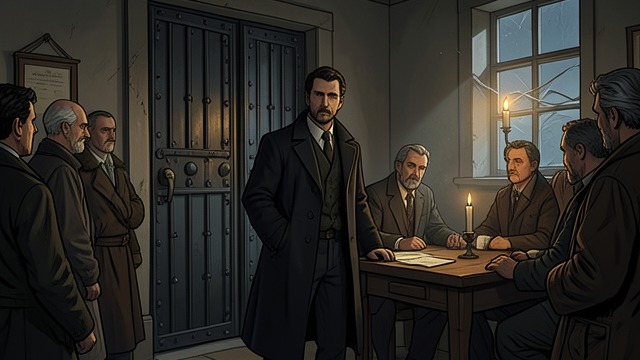
The Archbishop of York describes the country as diseased and claims that armed resistance may purge political abuses. He insists that his purpose is a more genuine peace.
The Risk of the Claim
His moral language gives the rising a public rationale, but it cannot erase the danger of taking arms against the king. Westmoreland challenges the gap between religious authority and military action.
The Grievances Written
A Schedule of Complaints
Written Demands
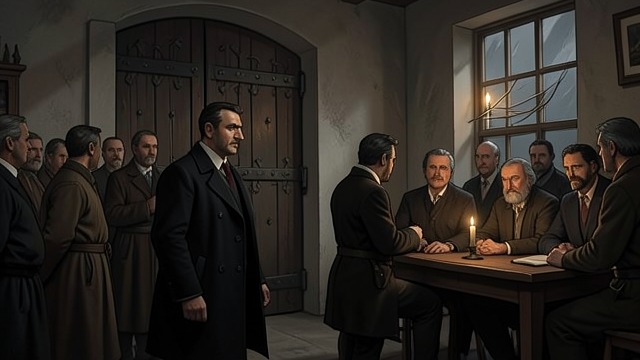
The Archbishop presents the Rebels' articles of grievance as the conditions under which his followers will return to obedience. The document turns general discontent into specific political demands.
A Test of Authority
Westmoreland carries the schedule to Prince John of Lancaster, making the prince responsible for the response. The rebels seek recognition, but the crown retains control over whether their demands will be honored.
The Prince's Assurance
Promised Redress
Terms Accepted
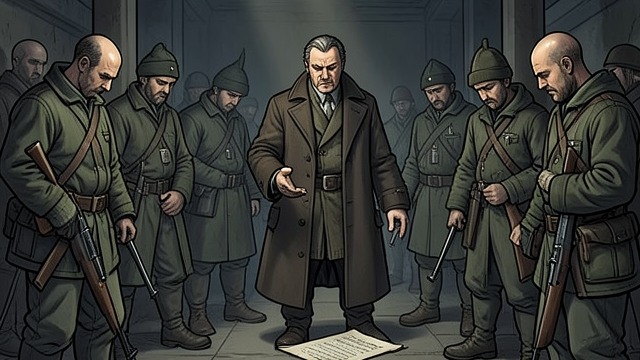
John of Lancaster says he accepts the articles and swears that the grievances will be redressed. His assurance persuades the rebel leaders that their complaints can be answered without battle.
A Fatal Trust
The promise creates the conditions for the leaders to lower their guard. Their willingness to believe the royal envoy turns negotiation into the decisive vulnerability of the rising.
The Armies Disperse
The Moment of Separation
A Public Peace
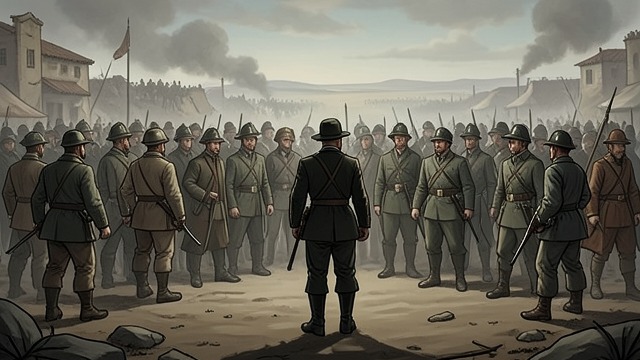
The rebels hear that peace has been agreed and begin returning to their homes. The apparent settlement changes the military balance before its terms have been tested.
A Vulnerable Interval
With the opposing force scattered, its leaders cannot easily defend themselves or resume a coordinated campaign. Their confidence in the promise becomes the hinge on which the encounter turns.
Arrests at Gaultree

The Parley Turns
Sudden Arrests
Westmoreland arrests Hastings, the Archbishop, and Mowbray after their followers have dispersed. Lancaster maintains that he promised redress of grievances, not immunity for rebellion.
A Royal Victory Without Battle
The leaders are sent toward execution, and the rising is broken through deception rather than a pitched engagement. The episode exposes the perilous difference between a negotiated promise and a secure political settlement.
Before the royal campaign reaches Gaultree Forest
At the first parley in Gaultree Forest
During the Gaultree Forest parley
Immediately after the peace announcement at Gaultree Forest
As the rebel army disperses
