
The Two Rebellions Compared
Henry IV, Part 2This thread contrasts the military defeat at Shrewsbury with the negotiated trap at Gaultree to show the changing methods of royal victory.
increasing Bearing strength in each event
 decreasing
Bearing strength in each eventdecreasingThe Percy Coalition
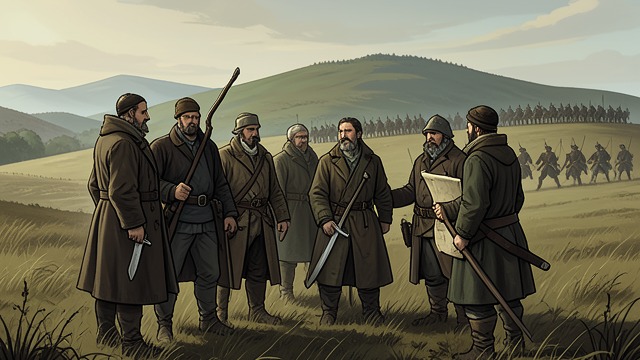
A Rebellion of Great Names
A Military Challenge
Harry Percy and his allies raise a force against King Henry IV. Their cause depends on celebrated leaders and the promise that additional supporters will join them.
A Dangerous Reliance
The faction's strength is difficult to measure because expectation substitutes for confirmed support. That weakness will become crucial when the battle tests the coalition directly.
The Battlefield Decides
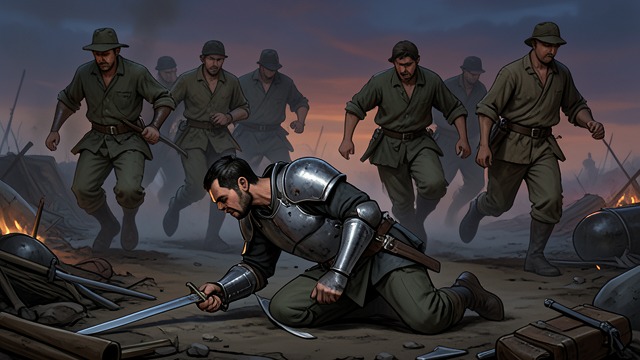
Force Meets Force
A Direct Contest
The royal army and the rebels fight openly at Shrewsbury. Prince Henry kills Harry Percy, and the surviving rebel leaders lose command as their troops flee.
Victory Through Sacrifice
The crown wins through combat, but the victory costs the rebellion its most magnetic leader. The result invites further political resistance rather than ending every grievance.
A New Faction Forms
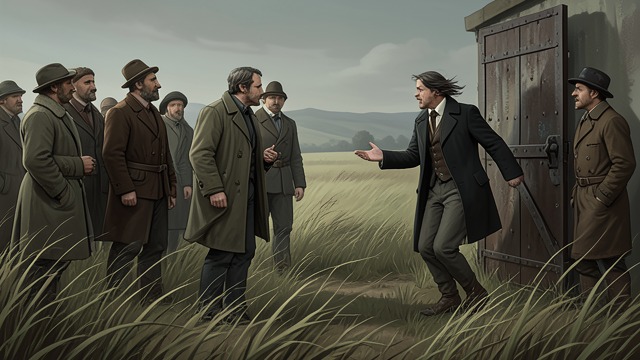
Resistance Reassembled
Another Political Center
The Archbishop of York and his allies organize a new rising after the northern defeat. They frame their claims through grievances and appeal to a wider political dissatisfaction.
Lessons from Defeat
The memory of Shrewsbury makes planning and reliable support especially important. Yet Northumberland's promised assistance remains uncertain, exposing the new faction to a different version of the old danger.
The Parley Replaces Battle
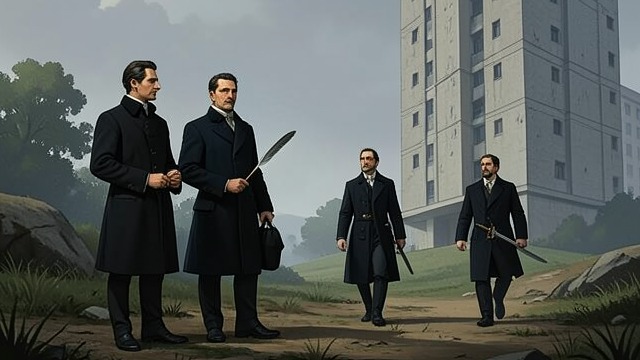
A Conflict Reframed
Words Before Weapons
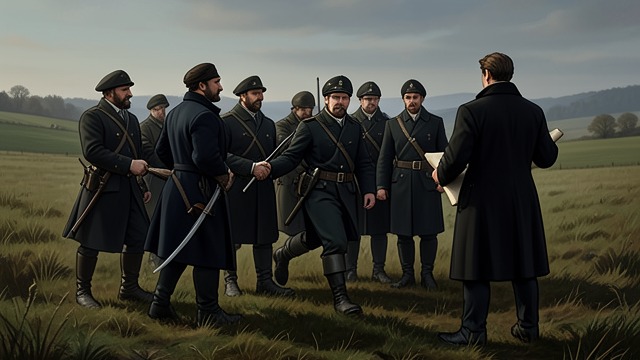
The two sides meet to discuss grievances instead of beginning another pitched battle. The Archbishop offers written terms, and Lancaster promises redress.
A Different Royal Method
The negotiation draws the rebels away from immediate combat and toward a settlement they believe possible. The crown's advantage now depends on how the promise is used rather than on a battlefield victory.
Power After Dispersal
Victory Without a Battle
The Arrests
Once the rebels' soldiers disperse, Westmoreland arrests their leaders and Lancaster declares them liable for treason. The rising ends through the collapse of its organization rather than the death of its army in combat.
Two Kinds of Defeat
Shrewsbury defeats a rebellion by force; Gaultree defeats one by taking advantage of trust and division. Together, the episodes show the crown adapting its methods while leaving questions about justice unresolved.
Before the Battle of Shrewsbury
During the Battle of Shrewsbury
After Shrewsbury and before Gaultree Forest
At Gaultree Forest as the royal army approaches
After the rebel troops leave the field
